Buy ahorarepublicas.eu ?
We are moving the project
ahorarepublicas.eu .
Are you interested in purchasing the domain
ahorarepublicas.eu ?
domain@kv-gmbh.de · 0541-91531010
Buy ahorarepublicas.eu ?
Which wood is black?
Ebony wood is known for its deep black color and is often used in high-end furniture and musical instruments. It is a dense and heavy wood with a fine texture, making it highly sought after for its aesthetic appeal. Ebony wood is also prized for its durability and resistance to rot, making it a popular choice for decorative and functional items. **
Is acacia wood sustainable?
Yes, acacia wood is considered sustainable. Acacia trees grow quickly and are abundant in many regions, making them a renewable resource. Additionally, acacia wood is durable and resistant to decay, which can extend its lifespan and reduce the need for frequent replacements. Proper management practices, such as replanting and responsible harvesting, can help ensure the sustainability of acacia wood as a building material. **

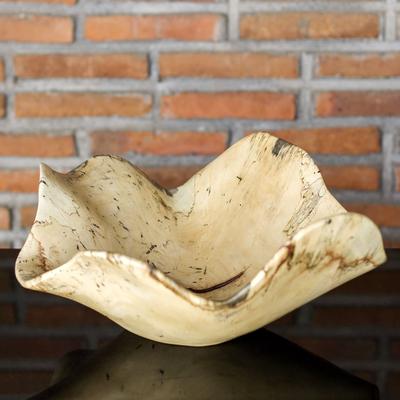
Similar search terms for Uttermost-Malosi-Black-Wood
Top-Angebote
Products related to Uttermost-Malosi-Black-Wood:
-
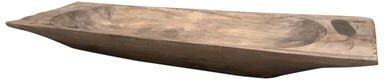
Uttermost Dough Reclaimed Wood TrayUttermost's accessories combine premium quality materials with unique high-style design. With the advanced product engineering and packaging reinforcement, Uttermost maintains some of the lowest damage rates in the industry.276,00 $*Shipping: 0,00 $Secure redirect to the provider


-
How do you dye wood black?
To dye wood black, you can use a wood dye or a wood stain specifically designed for achieving a black color. First, sand the wood to remove any existing finish and to create a smooth surface for the dye to adhere to. Then, apply the black dye or stain evenly using a brush or cloth, following the manufacturer's instructions for application and drying times. Once the dye has dried, you can finish the wood with a clear topcoat to protect the color and provide a smooth, polished finish. **
-
Is wood an organic material?
Yes, wood is an organic material because it is derived from living organisms, specifically trees. Wood is primarily composed of cellulose, hemicellulose, and lignin, which are organic compounds. As a natural material, wood can decompose and is biodegradable, further indicating its organic nature. **
-
What are those black creatures on wet wood?
The black creatures on wet wood are likely fungi or mold. These organisms thrive in damp environments and feed on the organic material in the wood. They play an important role in the decomposition process, breaking down the wood and returning nutrients to the soil. While they may not be harmful to the wood itself, they can be unsightly and may indicate a moisture issue that should be addressed to prevent further growth. **
-
What is the black spot on the wood?
The black spot on wood is typically a type of mold or fungus known as wood decay. This decay is caused by moisture and can lead to the deterioration of the wood over time. It is important to address the source of the moisture and treat the affected wood to prevent further damage. In some cases, the black spot may also be caused by a type of wood stain or discoloration. **

What helps against black oil stains on wood?
To remove black oil stains from wood, you can start by sprinkling baking soda or cornstarch over the affected area and letting it sit for a few hours to absorb the oil. Then, gently scrub the area with a mixture of dish soap and warm water. If the stain persists, you can try using a commercial wood cleaner or a mixture of vinegar and water to further lift the stain. Sanding and refinishing the wood may also be necessary for more stubborn stains. **
What causes black streaks in wood after sanding?
Black streaks in wood after sanding can be caused by a variety of factors. One common cause is the presence of resin or sap in the wood, which can be pushed to the surface during sanding and create dark streaks. Another possible cause is the use of sandpaper with embedded metal particles, which can leave behind dark marks as the wood is sanded. Additionally, if the wood has been exposed to moisture or has mold or mildew growth, sanding can bring these darkened areas to the surface, creating black streaks. **
Top-Angebote
Products related to Uttermost-Malosi-Black-Wood:
-
Uttermost Dough Reclaimed Wood TrayUttermost's accessories combine premium quality materials with unique high-style design. With the advanced product engineering and packaging reinforcement, Uttermost maintains some of the lowest damage rates in the industry.276,00 $*Shipping: 0,00 $Secure redirect to the provider
-
Which wood is black?
Ebony wood is known for its deep black color and is often used in high-end furniture and musical instruments. It is a dense and heavy wood with a fine texture, making it highly sought after for its aesthetic appeal. Ebony wood is also prized for its durability and resistance to rot, making it a popular choice for decorative and functional items. **
-
Is acacia wood sustainable?
Yes, acacia wood is considered sustainable. Acacia trees grow quickly and are abundant in many regions, making them a renewable resource. Additionally, acacia wood is durable and resistant to decay, which can extend its lifespan and reduce the need for frequent replacements. Proper management practices, such as replanting and responsible harvesting, can help ensure the sustainability of acacia wood as a building material. **
-
How do you dye wood black?
To dye wood black, you can use a wood dye or a wood stain specifically designed for achieving a black color. First, sand the wood to remove any existing finish and to create a smooth surface for the dye to adhere to. Then, apply the black dye or stain evenly using a brush or cloth, following the manufacturer's instructions for application and drying times. Once the dye has dried, you can finish the wood with a clear topcoat to protect the color and provide a smooth, polished finish. **
-
Is wood an organic material?
Yes, wood is an organic material because it is derived from living organisms, specifically trees. Wood is primarily composed of cellulose, hemicellulose, and lignin, which are organic compounds. As a natural material, wood can decompose and is biodegradable, further indicating its organic nature. **
Similar search terms for Uttermost-Malosi-Black-Wood
-
"SHORELINE Napkins - Handmade Organic Cotton, Fair Trade, Eco-Dyed Artisan-Made by Sustainable Threads 20""x20"" (Set of 2)"SHORELINE Handwoven Organic Cotton Napkins Naturally elegant and thoughtfully crafted, the Shoreline napkins are woven from indigenous, drought-resistant organic cotton using traditional handspun yarns and botanical dyes.46,00 $*Shipping: 0,00 $Secure redirect to the provider
-
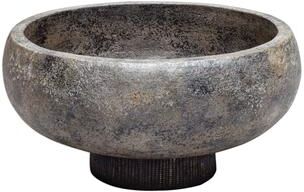
Uttermost Brixton Aged Black BowlUttermost's decorative bowls and trays combine premium quality materials with unique high-style design. With the advanced product engineering and packaging reinforcement, Uttermost maintains some of the lowest damage rates in the industry.223,20 $*Shipping: 0,00 $Secure redirect to the provider
-
What are those black creatures on wet wood?
The black creatures on wet wood are likely fungi or mold. These organisms thrive in damp environments and feed on the organic material in the wood. They play an important role in the decomposition process, breaking down the wood and returning nutrients to the soil. While they may not be harmful to the wood itself, they can be unsightly and may indicate a moisture issue that should be addressed to prevent further growth. **
-
What is the black spot on the wood?
The black spot on wood is typically a type of mold or fungus known as wood decay. This decay is caused by moisture and can lead to the deterioration of the wood over time. It is important to address the source of the moisture and treat the affected wood to prevent further damage. In some cases, the black spot may also be caused by a type of wood stain or discoloration. **
-
What helps against black oil stains on wood?
To remove black oil stains from wood, you can start by sprinkling baking soda or cornstarch over the affected area and letting it sit for a few hours to absorb the oil. Then, gently scrub the area with a mixture of dish soap and warm water. If the stain persists, you can try using a commercial wood cleaner or a mixture of vinegar and water to further lift the stain. Sanding and refinishing the wood may also be necessary for more stubborn stains. **
-
What causes black streaks in wood after sanding?
Black streaks in wood after sanding can be caused by a variety of factors. One common cause is the presence of resin or sap in the wood, which can be pushed to the surface during sanding and create dark streaks. Another possible cause is the use of sandpaper with embedded metal particles, which can leave behind dark marks as the wood is sanded. Additionally, if the wood has been exposed to moisture or has mold or mildew growth, sanding can bring these darkened areas to the surface, creating black streaks. **
* All prices are inclusive of VAT and, if applicable, plus shipping costs. The offer information is based on the details provided by the respective shop and is updated through automated processes. Real-time updates do not occur, so deviations can occur in individual cases. ** Note: Parts of this content were created by AI.