Buy ahorarepublicas.eu ?
We are moving the project
ahorarepublicas.eu .
Are you interested in purchasing the domain
ahorarepublicas.eu ?
domain@kv-gmbh.de · 0541-91531010
Buy ahorarepublicas.eu ?
What is faster, SN1 or SN2?
SN2 reactions are generally faster than SN1 reactions. This is because SN2 reactions involve a single step where the nucleophile attacks the substrate at the same time the leaving group leaves, leading to a concerted mechanism. In contrast, SN1 reactions proceed through a two-step mechanism involving the formation of a carbocation intermediate, which can be a slower step. Additionally, the rate of SN2 reactions is dependent on the concentration of both the substrate and the nucleophile, while the rate of SN1 reactions is only dependent on the concentration of the substrate. **
What is the difference between organic and eco-friendly products?
Organic products are made from ingredients that are grown without the use of synthetic pesticides, herbicides, or fertilizers, and are often certified by a regulatory body. Eco-friendly products, on the other hand, are designed to have minimal impact on the environment throughout their entire lifecycle, from production to disposal. While organic products focus on the natural ingredients used, eco-friendly products consider the overall environmental impact of the product. In essence, organic products focus on the ingredients, while eco-friendly products focus on the entire product lifecycle. **

Similar search terms for SN2
Top-Angebote
Products related to SN2:
-
"TIMELESS Organic Cotton Napkins - Handmade, Fair Trade, Eco-Dyed by Sustainable Threads - 20""x20"" (Set of 2)"TIMELESS Collection Handwoven Organic Cotton Napkins - Set of 2 Classic and enduring, these yarn-dyed, handwoven napkins are crafted from indigenous, drought-resistant organic cotton using traditional handspun and botanical dye methods.64,00 $*Shipping: 0,00 $Secure redirect to the provider
-
Superior Eco-Friendly Sustainable Cotton 6-Piece Bathroom Towel SetMade with incredibly soft recycled cotton, the Eco-Friendly Sustainable Cotton Bathroom Towel Set is the perfect green addition to any bathroom space. Our sustainable Cotton towels have a lightweight to get you dry quickly after a shower or bath.44,99 $*Shipping: 0,00 $Secure redirect to the provider
-
"TIMELESS Organic Cotton Napkins - Handmade, Fair Trade, Eco-Dyed by Sustainable Threads - 20""x20"" (Set of 2)"TIMELESS Collection Handwoven Organic Cotton Napkins - Set of 2 Classic and enduring, these yarn-dyed, handwoven napkins are crafted from indigenous, drought-resistant organic cotton using traditional handspun and botanical dye methods.64,00 $*Shipping: 0,00 $Secure redirect to the provider
-
"TIMELESS Organic Cotton Napkins - Handmade, Fair Trade, Eco-Dyed by Sustainable Threads - 20""x20"" (Set of 2)"TIMELESS Collection Handwoven Organic Cotton Napkins - Set of 2 Classic and enduring, these yarn-dyed, handwoven napkins are crafted from indigenous, drought-resistant organic cotton using traditional handspun and botanical dye methods.64,00 $*Shipping: 0,00 $Secure redirect to the provider




-
Is organic sustainable?
Organic farming practices can be more sustainable than conventional methods in terms of reducing chemical inputs, promoting biodiversity, and improving soil health. However, there are challenges to the scalability and efficiency of organic farming, which can impact its overall sustainability. For example, organic farming typically requires more land and labor to produce the same amount of food as conventional methods, which can limit its ability to meet global food demand. Additionally, the transportation and distribution of organic products can have a higher environmental impact due to their shorter shelf life and the need for refrigeration. Overall, while organic farming has many sustainable benefits, there are also limitations to its long-term sustainability on a large scale. **
-
Which reaction, SN1 or SN2, occurs in secondary halogen cycloalkanes?
In secondary halogen cycloalkanes, the SN1 reaction is more likely to occur. This is because the SN1 reaction involves a two-step process where the leaving group leaves first, forming a carbocation intermediate, and then the nucleophile attacks. The stability of the carbocation intermediate is important, and in secondary halogen cycloalkanes, the carbocation intermediate is more stable due to the presence of the neighboring alkyl groups. This makes the SN1 reaction more favorable in secondary halogen cycloalkanes compared to the SN2 reaction. **
-
Which type of nucleophilic substitution is known as SN1 or SN2?
The type of nucleophilic substitution known as SN1 or SN2 is SN1 (Substitution Nucleophilic Unimolecular) and SN2 (Substitution Nucleophilic Bimolecular). SN1 reactions proceed through a two-step mechanism involving the formation of a carbocation intermediate, while SN2 reactions occur in a single step with simultaneous bond formation and bond breaking. The choice between SN1 and SN2 mechanisms depends on factors such as the nature of the substrate, nucleophile, and solvent. **
-
What is the question about the SN1 and SN2 reactions in chemistry?
The question about SN1 and SN2 reactions in chemistry typically revolves around the differences between these two types of nucleophilic substitution reactions. Students may be asked to compare the reaction mechanisms, the role of the solvent, the stereochemistry of the products, and the factors that influence the reaction rate. Additionally, they may be asked to predict the major products of a given reaction based on the reaction conditions and the nature of the substrate. **


Is the synthesis of 1-bromopropane in the laboratory an SN1 or SN2 mechanism?
The synthesis of 1-bromopropane in the laboratory typically follows an SN2 (nucleophilic substitution bimolecular) mechanism. In this mechanism, the nucleophile directly attacks the substrate, displacing the leaving group in a single step. This is favored for primary alkyl halides like 1-bromopropane due to the absence of steric hindrance. SN1 (nucleophilic substitution unimolecular) mechanisms are more common for tertiary alkyl halides where the carbocation intermediate is stabilized by surrounding alkyl groups. **
According to which mechanism do the two molecules react: SN1, SN2, E1, or E2?
The mechanism by which two molecules react depends on the specific reaction conditions and the nature of the reactants. If the reaction involves a nucleophile attacking a substrate and forming a carbocation intermediate, it is likely to proceed via an SN1 mechanism. On the other hand, if the reaction involves a nucleophile directly displacing a leaving group in a single step, it is more likely to proceed via an SN2 mechanism. E1 and E2 mechanisms involve the elimination of a leaving group to form a double bond, with E1 involving the formation of a carbocation intermediate and E2 occurring in a single step with the nucleophile acting as a base. **
Top-Angebote
Products related to SN2:
-
"SHORELINE Napkins - Handmade Organic Cotton, Fair Trade, Eco-Dyed Artisan-Made by Sustainable Threads 20""x20"" (Set of 2)"SHORELINE Handwoven Organic Cotton Napkins Naturally elegant and thoughtfully crafted, the Shoreline napkins are woven from indigenous, drought-resistant organic cotton using traditional handspun yarns and botanical dyes.46,00 $*Shipping: 0,00 $Secure redirect to the provider
-
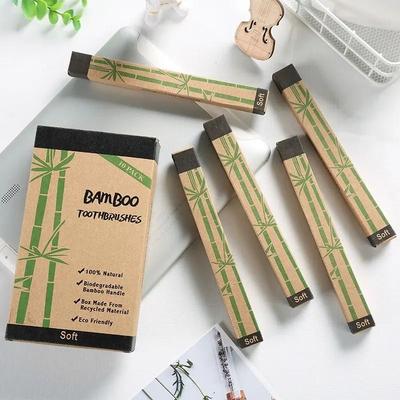
Uplift Essentials Natural Bamboo Eco Friendly Toothbrush 10 Piece Sustainable Family Pack Natural Bamboo Eco Friendly Toothbrush 10 Piece Sustainable Family PackTransition to a greener routine with this Natural Bamboo Toothbrush Set, a premium collection of bamboo products designed to reduce environmental impact without compromising on performance. Each handle is crafted from 100% sustainable bamboo,...37,97 $*Shipping: 0,00 $Secure redirect to the provider
-
"TIMELESS Organic Cotton Napkins - Handmade, Fair Trade, Eco-Dyed by Sustainable Threads - 20""x20"" (Set of 2)"TIMELESS Collection Handwoven Organic Cotton Napkins - Set of 2 Classic and enduring, these yarn-dyed, handwoven napkins are crafted from indigenous, drought-resistant organic cotton using traditional handspun and botanical dye methods.64,00 $*Shipping: 0,00 $Secure redirect to the provider
-
Superior Eco-Friendly Sustainable Cotton 6-Piece Bathroom Towel SetMade with incredibly soft recycled cotton, the Eco-Friendly Sustainable Cotton Bathroom Towel Set is the perfect green addition to any bathroom space. Our sustainable Cotton towels have a lightweight to get you dry quickly after a shower or bath.44,99 $*Shipping: 0,00 $Secure redirect to the provider
-
What is faster, SN1 or SN2?
SN2 reactions are generally faster than SN1 reactions. This is because SN2 reactions involve a single step where the nucleophile attacks the substrate at the same time the leaving group leaves, leading to a concerted mechanism. In contrast, SN1 reactions proceed through a two-step mechanism involving the formation of a carbocation intermediate, which can be a slower step. Additionally, the rate of SN2 reactions is dependent on the concentration of both the substrate and the nucleophile, while the rate of SN1 reactions is only dependent on the concentration of the substrate. **
-
What is the difference between organic and eco-friendly products?
Organic products are made from ingredients that are grown without the use of synthetic pesticides, herbicides, or fertilizers, and are often certified by a regulatory body. Eco-friendly products, on the other hand, are designed to have minimal impact on the environment throughout their entire lifecycle, from production to disposal. While organic products focus on the natural ingredients used, eco-friendly products consider the overall environmental impact of the product. In essence, organic products focus on the ingredients, while eco-friendly products focus on the entire product lifecycle. **
-
Is organic sustainable?
Organic farming practices can be more sustainable than conventional methods in terms of reducing chemical inputs, promoting biodiversity, and improving soil health. However, there are challenges to the scalability and efficiency of organic farming, which can impact its overall sustainability. For example, organic farming typically requires more land and labor to produce the same amount of food as conventional methods, which can limit its ability to meet global food demand. Additionally, the transportation and distribution of organic products can have a higher environmental impact due to their shorter shelf life and the need for refrigeration. Overall, while organic farming has many sustainable benefits, there are also limitations to its long-term sustainability on a large scale. **
-
Which reaction, SN1 or SN2, occurs in secondary halogen cycloalkanes?
In secondary halogen cycloalkanes, the SN1 reaction is more likely to occur. This is because the SN1 reaction involves a two-step process where the leaving group leaves first, forming a carbocation intermediate, and then the nucleophile attacks. The stability of the carbocation intermediate is important, and in secondary halogen cycloalkanes, the carbocation intermediate is more stable due to the presence of the neighboring alkyl groups. This makes the SN1 reaction more favorable in secondary halogen cycloalkanes compared to the SN2 reaction. **
Similar search terms for SN2
-
"TIMELESS Organic Cotton Napkins - Handmade, Fair Trade, Eco-Dyed by Sustainable Threads - 20""x20"" (Set of 2)"TIMELESS Collection Handwoven Organic Cotton Napkins - Set of 2 Classic and enduring, these yarn-dyed, handwoven napkins are crafted from indigenous, drought-resistant organic cotton using traditional handspun and botanical dye methods.64,00 $*Shipping: 0,00 $Secure redirect to the provider
-
Superior Eco-Friendly Sustainable Cotton 6-Piece Bathroom Towel SetMade with incredibly soft recycled cotton, the Eco-Friendly Sustainable Cotton Bathroom Towel Set is the perfect green addition to any bathroom space. Our sustainable Cotton towels have a lightweight to get you dry quickly after a shower or bath.44,99 $*Shipping: 0,00 $Secure redirect to the provider
-
Which type of nucleophilic substitution is known as SN1 or SN2?
The type of nucleophilic substitution known as SN1 or SN2 is SN1 (Substitution Nucleophilic Unimolecular) and SN2 (Substitution Nucleophilic Bimolecular). SN1 reactions proceed through a two-step mechanism involving the formation of a carbocation intermediate, while SN2 reactions occur in a single step with simultaneous bond formation and bond breaking. The choice between SN1 and SN2 mechanisms depends on factors such as the nature of the substrate, nucleophile, and solvent. **
-
What is the question about the SN1 and SN2 reactions in chemistry?
The question about SN1 and SN2 reactions in chemistry typically revolves around the differences between these two types of nucleophilic substitution reactions. Students may be asked to compare the reaction mechanisms, the role of the solvent, the stereochemistry of the products, and the factors that influence the reaction rate. Additionally, they may be asked to predict the major products of a given reaction based on the reaction conditions and the nature of the substrate. **
-
Is the synthesis of 1-bromopropane in the laboratory an SN1 or SN2 mechanism?
The synthesis of 1-bromopropane in the laboratory typically follows an SN2 (nucleophilic substitution bimolecular) mechanism. In this mechanism, the nucleophile directly attacks the substrate, displacing the leaving group in a single step. This is favored for primary alkyl halides like 1-bromopropane due to the absence of steric hindrance. SN1 (nucleophilic substitution unimolecular) mechanisms are more common for tertiary alkyl halides where the carbocation intermediate is stabilized by surrounding alkyl groups. **
-
According to which mechanism do the two molecules react: SN1, SN2, E1, or E2?
The mechanism by which two molecules react depends on the specific reaction conditions and the nature of the reactants. If the reaction involves a nucleophile attacking a substrate and forming a carbocation intermediate, it is likely to proceed via an SN1 mechanism. On the other hand, if the reaction involves a nucleophile directly displacing a leaving group in a single step, it is more likely to proceed via an SN2 mechanism. E1 and E2 mechanisms involve the elimination of a leaving group to form a double bond, with E1 involving the formation of a carbocation intermediate and E2 occurring in a single step with the nucleophile acting as a base. **
* All prices are inclusive of VAT and, if applicable, plus shipping costs. The offer information is based on the details provided by the respective shop and is updated through automated processes. Real-time updates do not occur, so deviations can occur in individual cases. ** Note: Parts of this content were created by AI.