Buy ahorarepublicas.eu ?
We are moving the project
ahorarepublicas.eu .
Are you interested in purchasing the domain
ahorarepublicas.eu ?
domain@kv-gmbh.de · 0541-91531010
Buy ahorarepublicas.eu ?
Can you explain macroeconomics briefly and simply?
Macroeconomics is the branch of economics that focuses on the overall performance and behavior of an economy as a whole. It looks at factors such as inflation, unemployment, economic growth, and government policies that affect the economy on a large scale. In simple terms, macroeconomics helps us understand how the economy works and how different factors interact to influence things like prices, employment levels, and overall economic well-being. By studying macroeconomics, policymakers can make informed decisions to help manage and stabilize the economy. **
What is more difficult for you, microeconomics or macroeconomics?
For me, macroeconomics is more difficult than microeconomics. Microeconomics deals with individual economic agents and their decision-making, which I find easier to understand and apply. On the other hand, macroeconomics involves analyzing the economy as a whole, including factors like inflation, unemployment, and economic growth, which I find more complex and challenging to grasp. The interconnectedness of various economic variables in macroeconomics makes it more difficult for me to fully comprehend and analyze. **

Similar search terms for Macroeconomics
Top-Angebote
Products related to Macroeconomics:
-
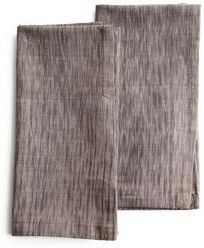
"TIMELESS Organic Cotton Napkins - Handmade, Fair Trade, Eco-Dyed by Sustainable Threads - 20""x20"" (Set of 2)"TIMELESS Collection Handwoven Organic Cotton Napkins - Set of 2 Classic and enduring, these yarn-dyed, handwoven napkins are crafted from indigenous, drought-resistant organic cotton using traditional handspun and botanical dye methods.64,00 $*Shipping: 0,00 $Secure redirect to the provider
-
"ON TRACK Napkins - Handmade Organic Cotton by Sustainable Threads Fair Trade Eco-Dyed - 20""x20"" (Set of 2)"ON TRACK Handwoven Organic Cotton Napkins Modern and purposeful, these yarn-dyed, handwoven napkins are made from indigenous, drought-resistant organic cotton dyed with botanical materials and crafted using traditional handspun weaving techniques.48,00 $*Shipping: 0,00 $Secure redirect to the provider
-
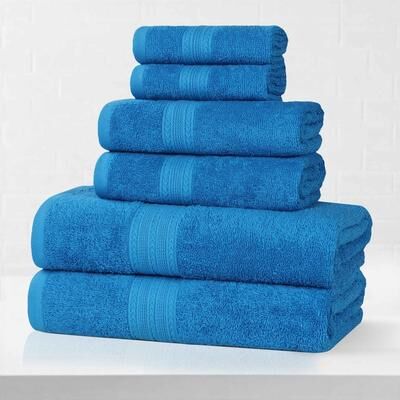
Superior Eco-Friendly Sustainable Cotton 12-Piece Bathroom Towel SetMade with incredibly soft recycled cotton, the Eco-Friendly Sustainable Cotton Bathroom Towel Set is the perfect green addition to any bathroom space. Our sustainable Cotton towels are lightweight to get you dry quickly after a shower or bath.62,31 $*Shipping: 0,00 $Secure redirect to the provider
-
Superior Eco-Friendly Sustainable Cotton 6-Piece Bathroom Towel SetMade with incredibly soft recycled cotton, the Eco-Friendly Sustainable Cotton Bathroom Towel Set is the perfect green addition to any bathroom space. Our sustainable Cotton towels have a lightweight to get you dry quickly after a shower or bath.43,64 $*Shipping: 0,00 $Secure redirect to the provider


-
What is the difference between organic and eco-friendly products?
Organic products are made from ingredients that are grown without the use of synthetic pesticides, herbicides, or fertilizers, and are often certified by a regulatory body. Eco-friendly products, on the other hand, are designed to have minimal impact on the environment throughout their entire lifecycle, from production to disposal. While organic products focus on the natural ingredients used, eco-friendly products consider the overall environmental impact of the product. In essence, organic products focus on the ingredients, while eco-friendly products focus on the entire product lifecycle. **
-
Is organic sustainable?
Organic farming practices can be more sustainable than conventional methods in terms of reducing chemical inputs, promoting biodiversity, and improving soil health. However, there are challenges to the scalability and efficiency of organic farming, which can impact its overall sustainability. For example, organic farming typically requires more land and labor to produce the same amount of food as conventional methods, which can limit its ability to meet global food demand. Additionally, the transportation and distribution of organic products can have a higher environmental impact due to their shorter shelf life and the need for refrigeration. Overall, while organic farming has many sustainable benefits, there are also limitations to its long-term sustainability on a large scale. **
-
How do I best prepare for micro and macroeconomics in economics?
To best prepare for micro and macroeconomics in economics, it is important to start by understanding the basic concepts and principles of both branches of economics. This includes studying topics such as supply and demand, market structures, GDP, inflation, and unemployment. Additionally, practicing with real-world examples and case studies can help you apply these concepts to different scenarios. Finally, staying updated with current economic events and trends can provide valuable insights into how economic theories are applied in practice. **
-
How can I best prepare for micro- and macroeconomics in economics?
To best prepare for micro- and macroeconomics in economics, it is important to first understand the basic concepts and principles of economics. This can be achieved by reading textbooks, attending lectures, and participating in class discussions. Additionally, practicing problem-solving and critical thinking skills through exercises and case studies can help solidify your understanding of the material. Finally, staying updated on current economic events and trends can provide real-world context to the theories and concepts learned in class. **

What is the derivation of growth rates in macroeconomics and which symbols are used?
The derivation of growth rates in macroeconomics is typically done using the concept of percentage change. The growth rate of a variable is calculated as the percentage change in that variable over a specific period of time. The symbol commonly used to represent growth rates is the lowercase letter "g". For example, the growth rate of real GDP would be denoted as "gDP". **
What is the derivation of growth rates in macroeconomics and what symbols are used?
The derivation of growth rates in macroeconomics is typically based on the percentage change in a variable over a specific period of time. The growth rate of a variable, such as GDP or population, is calculated as the percentage change in the variable from one period to the next. The symbol used to represent the growth rate of a variable is typically a lowercase "g" followed by the variable being measured, such as gY for the growth rate of GDP or gN for the growth rate of population. The formula for calculating the growth rate is (New Value - Old Value) / Old Value * 100. **
Top-Angebote
Products related to Macroeconomics:
-
"SHORELINE Napkins - Handmade Organic Cotton, Fair Trade, Eco-Dyed Artisan-Made by Sustainable Threads 20""x20"" (Set of 2)"SHORELINE Handwoven Organic Cotton Napkins Naturally elegant and thoughtfully crafted, the Shoreline napkins are woven from indigenous, drought-resistant organic cotton using traditional handspun yarns and botanical dyes.46,00 $*Shipping: 0,00 $Secure redirect to the provider
-
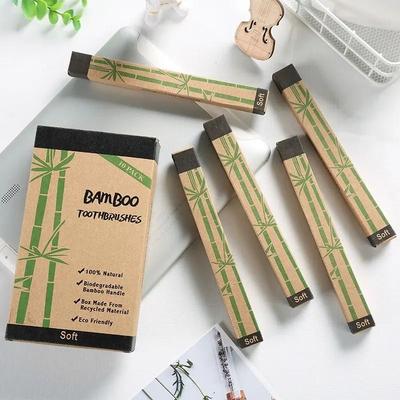
Uplift Essentials Natural Bamboo Eco Friendly Toothbrush 10 Piece Sustainable Family Pack Natural Bamboo Eco Friendly Toothbrush 10 Piece Sustainable Family PackTransition to a greener routine with this Natural Bamboo Toothbrush Set, a premium collection of bamboo products designed to reduce environmental impact without compromising on performance. Each handle is crafted from 100% sustainable bamboo,...37,97 $*Shipping: 0,00 $Secure redirect to the provider
-
"TIMELESS Organic Cotton Napkins - Handmade, Fair Trade, Eco-Dyed by Sustainable Threads - 20""x20"" (Set of 2)"TIMELESS Collection Handwoven Organic Cotton Napkins - Set of 2 Classic and enduring, these yarn-dyed, handwoven napkins are crafted from indigenous, drought-resistant organic cotton using traditional handspun and botanical dye methods.64,00 $*Shipping: 0,00 $Secure redirect to the provider
-
"ON TRACK Napkins - Handmade Organic Cotton by Sustainable Threads Fair Trade Eco-Dyed - 20""x20"" (Set of 2)"ON TRACK Handwoven Organic Cotton Napkins Modern and purposeful, these yarn-dyed, handwoven napkins are made from indigenous, drought-resistant organic cotton dyed with botanical materials and crafted using traditional handspun weaving techniques.48,00 $*Shipping: 0,00 $Secure redirect to the provider
-
Can you explain macroeconomics briefly and simply?
Macroeconomics is the branch of economics that focuses on the overall performance and behavior of an economy as a whole. It looks at factors such as inflation, unemployment, economic growth, and government policies that affect the economy on a large scale. In simple terms, macroeconomics helps us understand how the economy works and how different factors interact to influence things like prices, employment levels, and overall economic well-being. By studying macroeconomics, policymakers can make informed decisions to help manage and stabilize the economy. **
-
What is more difficult for you, microeconomics or macroeconomics?
For me, macroeconomics is more difficult than microeconomics. Microeconomics deals with individual economic agents and their decision-making, which I find easier to understand and apply. On the other hand, macroeconomics involves analyzing the economy as a whole, including factors like inflation, unemployment, and economic growth, which I find more complex and challenging to grasp. The interconnectedness of various economic variables in macroeconomics makes it more difficult for me to fully comprehend and analyze. **
-
What is the difference between organic and eco-friendly products?
Organic products are made from ingredients that are grown without the use of synthetic pesticides, herbicides, or fertilizers, and are often certified by a regulatory body. Eco-friendly products, on the other hand, are designed to have minimal impact on the environment throughout their entire lifecycle, from production to disposal. While organic products focus on the natural ingredients used, eco-friendly products consider the overall environmental impact of the product. In essence, organic products focus on the ingredients, while eco-friendly products focus on the entire product lifecycle. **
-
Is organic sustainable?
Organic farming practices can be more sustainable than conventional methods in terms of reducing chemical inputs, promoting biodiversity, and improving soil health. However, there are challenges to the scalability and efficiency of organic farming, which can impact its overall sustainability. For example, organic farming typically requires more land and labor to produce the same amount of food as conventional methods, which can limit its ability to meet global food demand. Additionally, the transportation and distribution of organic products can have a higher environmental impact due to their shorter shelf life and the need for refrigeration. Overall, while organic farming has many sustainable benefits, there are also limitations to its long-term sustainability on a large scale. **
Similar search terms for Macroeconomics
-
Superior Eco-Friendly Sustainable Cotton 12-Piece Bathroom Towel SetMade with incredibly soft recycled cotton, the Eco-Friendly Sustainable Cotton Bathroom Towel Set is the perfect green addition to any bathroom space. Our sustainable Cotton towels are lightweight to get you dry quickly after a shower or bath.62,31 $*Shipping: 0,00 $Secure redirect to the provider
-
Superior Eco-Friendly Sustainable Cotton 6-Piece Bathroom Towel SetMade with incredibly soft recycled cotton, the Eco-Friendly Sustainable Cotton Bathroom Towel Set is the perfect green addition to any bathroom space. Our sustainable Cotton towels have a lightweight to get you dry quickly after a shower or bath.43,64 $*Shipping: 0,00 $Secure redirect to the provider
-
"TIMELESS Organic Cotton Napkins - Handmade, Fair Trade, Eco-Dyed by Sustainable Threads - 20""x20"" (Set of 2)"TIMELESS Collection Handwoven Organic Cotton Napkins - Set of 2 Classic and enduring, these yarn-dyed, handwoven napkins are crafted from indigenous, drought-resistant organic cotton using traditional handspun and botanical dye methods.64,00 $*Shipping: 0,00 $Secure redirect to the provider
-
How do I best prepare for micro and macroeconomics in economics?
To best prepare for micro and macroeconomics in economics, it is important to start by understanding the basic concepts and principles of both branches of economics. This includes studying topics such as supply and demand, market structures, GDP, inflation, and unemployment. Additionally, practicing with real-world examples and case studies can help you apply these concepts to different scenarios. Finally, staying updated with current economic events and trends can provide valuable insights into how economic theories are applied in practice. **
-
How can I best prepare for micro- and macroeconomics in economics?
To best prepare for micro- and macroeconomics in economics, it is important to first understand the basic concepts and principles of economics. This can be achieved by reading textbooks, attending lectures, and participating in class discussions. Additionally, practicing problem-solving and critical thinking skills through exercises and case studies can help solidify your understanding of the material. Finally, staying updated on current economic events and trends can provide real-world context to the theories and concepts learned in class. **
-
What is the derivation of growth rates in macroeconomics and which symbols are used?
The derivation of growth rates in macroeconomics is typically done using the concept of percentage change. The growth rate of a variable is calculated as the percentage change in that variable over a specific period of time. The symbol commonly used to represent growth rates is the lowercase letter "g". For example, the growth rate of real GDP would be denoted as "gDP". **
-
What is the derivation of growth rates in macroeconomics and what symbols are used?
The derivation of growth rates in macroeconomics is typically based on the percentage change in a variable over a specific period of time. The growth rate of a variable, such as GDP or population, is calculated as the percentage change in the variable from one period to the next. The symbol used to represent the growth rate of a variable is typically a lowercase "g" followed by the variable being measured, such as gY for the growth rate of GDP or gN for the growth rate of population. The formula for calculating the growth rate is (New Value - Old Value) / Old Value * 100. **
* All prices are inclusive of VAT and, if applicable, plus shipping costs. The offer information is based on the details provided by the respective shop and is updated through automated processes. Real-time updates do not occur, so deviations can occur in individual cases. ** Note: Parts of this content were created by AI.