Buy ahorarepublicas.eu ?
We are moving the project
ahorarepublicas.eu .
Are you interested in purchasing the domain
ahorarepublicas.eu ?
domain@kv-gmbh.de · 0541-91531010
Buy ahorarepublicas.eu ?
What is sustainable nutrition?
Sustainable nutrition refers to the practice of consuming food in a way that supports the health of both individuals and the planet. This involves choosing foods that are produced in an environmentally friendly manner, such as organic farming or reducing food waste. Sustainable nutrition also considers the social and economic aspects of food production, ensuring fair labor practices and supporting local communities. Overall, sustainable nutrition aims to promote a healthy diet that is good for both people and the planet in the long term. **
What questions are there about sustainable nutrition?
Some questions about sustainable nutrition include: How can we ensure that our food production practices are environmentally friendly and do not contribute to climate change? What are the most sustainable sources of protein that can meet the nutritional needs of a growing global population? How can we promote sustainable food choices and reduce food waste in order to create a more sustainable food system? **
Similar search terms for Kativa-Keratina-Shampoo-Nutrition
Top-Angebote
Products related to Kativa-Keratina-Shampoo-Nutrition:
-
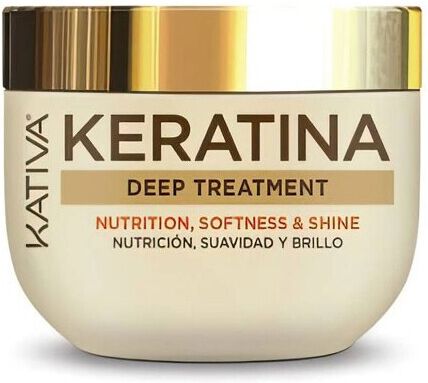
Kativa Keratina Deep Treatment Nutrition, Softness and Shine 300mLA hair-care product. Transform dry, damaged hair with Keratin Deep Treatment. Infused with hydrolyzed keratin and ceramides, it deeply nourishes, restores softness, and strengthens for smooth, shiny, and resilient hair. Deeply nourishes and strengthens hair. Restores elasticity, softness, and shine.7,34 £*Shipping: 6,94 £Secure redirect to the provider
-
Kativa Shea Butter Shampoo Extra Nutrition and Shine 1000mLA shampoo. Revive dry, dull hair with Shea Butter Shampoo. Infused with shea butter, coconut oil, and marula oil, it deeply nourishes, restores shine, and strengthens hair for a visibly healthier look. Deeply nourishes and moisturizes hair. Restores shine and vitality for a healthy appearance. Softens hair and improves manageability.16,24 £*Shipping: 15,47 £Secure redirect to the provider
-
Be Natural Lisso Keratina Shampoo 350 mlHealth and Beauty Shampoos Be Natural Lisso Keratina Shampoo 350 ml Special and unique shampoo based on keratin; acting directly on the hair fiber, balancing its natural hydration, reducing the annoying frizz, providing a feeling of docility and prolonged smoothness. Salt-free. Sulfate-free. Paraben Free Indicated for: straightened hair or with Frizz. How to use: Apply to damp hair, massage gently to obtain foam, then rinse with plenty of water.3,91 £*Shipping: 3,99 £Secure redirect to the provider



-
Can someone explain organic nutrition to me?
Organic nutrition refers to the practice of consuming foods that are grown and produced without the use of synthetic pesticides, fertilizers, genetically modified organisms (GMOs), or other artificial additives. Organic foods are typically grown using natural methods that promote soil and water conservation, reduce pollution, and support animal welfare. Many people choose organic nutrition because they believe it is healthier and more environmentally sustainable. Additionally, organic foods are often perceived to have higher nutrient levels and better taste. **
-
What are the shopping rules for sustainable nutrition?
When shopping for sustainable nutrition, it is important to prioritize whole, unprocessed foods such as fruits, vegetables, whole grains, and legumes. Look for organic and locally sourced options to reduce the environmental impact of food production. Choose sustainably sourced seafood and ethically raised meat and dairy products. Minimize food waste by buying only what you need and opting for products with minimal packaging. Finally, consider the carbon footprint of the foods you are purchasing and aim to support companies that prioritize sustainable and environmentally friendly practices. **
-
What is the project that promotes sustainable nutrition?
One project that promotes sustainable nutrition is the "Food and Agriculture Organization of the United Nations (FAO) Sustainable Food Systems Programme." This project aims to promote sustainable food systems that ensure food security and nutrition for all, while also protecting the environment and supporting economic development. It focuses on promoting sustainable agriculture, reducing food waste, and improving access to nutritious and diverse diets. By addressing the interconnected challenges of food security, nutrition, and environmental sustainability, this project contributes to the overall goal of achieving a more sustainable and equitable food system. **
-
What do you think about organic cell nutrition?
Organic cell nutrition refers to providing the body with nutrients from natural, organic sources. I believe that organic cell nutrition can be beneficial as it ensures that the body is receiving nutrients in their most natural and bioavailable form. By consuming organic foods, we can avoid harmful chemicals and pesticides that may be present in conventionally grown produce. Overall, prioritizing organic cell nutrition can support overall health and well-being. **

Is this nutrition plan sustainable in the long term?
This nutrition plan may not be sustainable in the long term for everyone. While it can be effective for short-term weight loss or specific health goals, it may be challenging to maintain in the long term due to its restrictive nature. It is important to consider whether this plan aligns with individual preferences, lifestyle, and overall health needs to determine its sustainability over time. Making gradual and realistic changes to one's diet and lifestyle may lead to more sustainable long-term results. **
What is autotrophic nutrition and heterotrophic nutrition?
Autotrophic nutrition is a type of nutrition in which organisms can produce their own food using inorganic substances like carbon dioxide and water, typically through the process of photosynthesis. This is commonly seen in plants, algae, and some bacteria. On the other hand, heterotrophic nutrition is when organisms cannot produce their own food and must obtain organic compounds from other organisms. This can be done through consuming other organisms or their byproducts, and is the most common type of nutrition among animals and fungi. **
Top-Angebote
Products related to Kativa-Keratina-Shampoo-Nutrition:
-
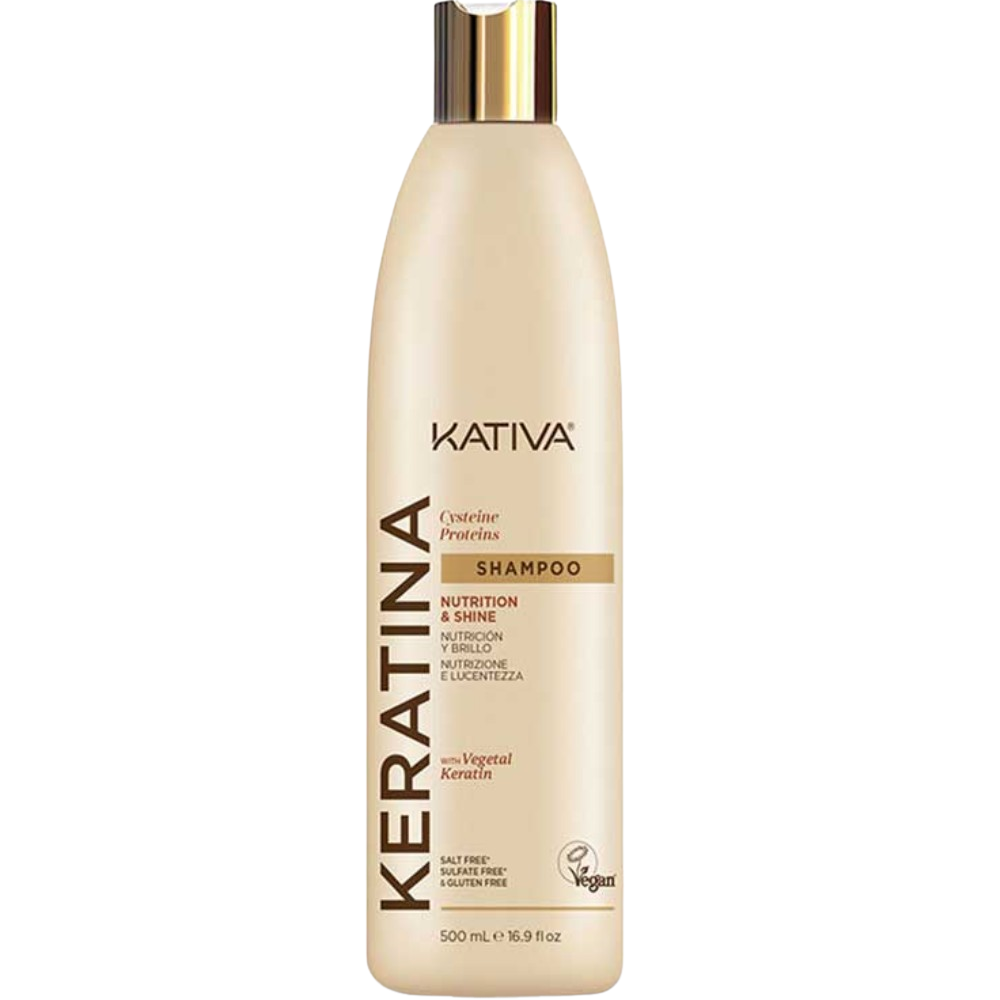
Kativa Keratina Shampoo Nutrition, Softness and Shine 550mLA shampoo. Keratin Shampoo with hydrolyzed keratin is ideal for chemically and mechanically damaged hair. Due to the different daily aggressions to which it is exposed, such as excessive use of heat, sun exposure, and chemical and mechanical processes, we lose our natural keratin. The Keratin line prevents and repairs hair by creating a specialized formula to restore hair health.9,72 £*Shipping: 9,79 £Secure redirect to the provider
-
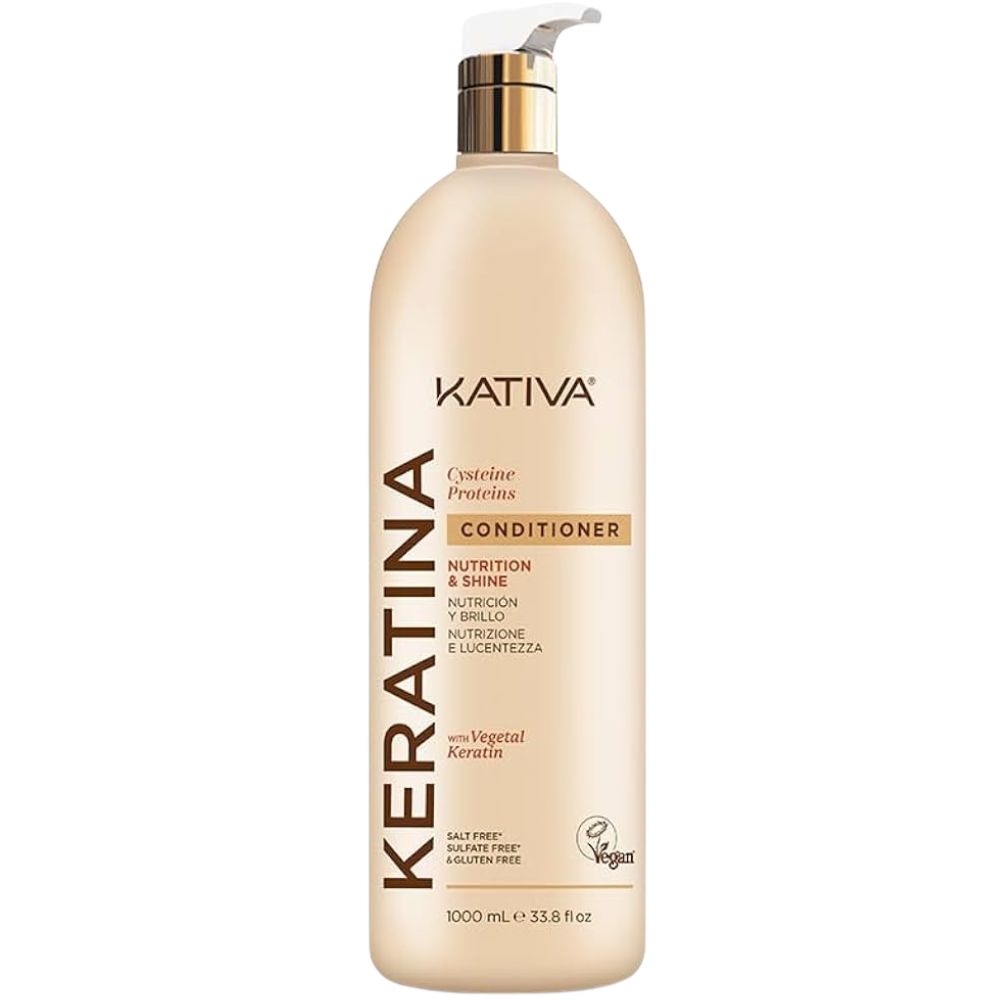
Kativa Keratina Conditioner Nutrition, Softness and Shine 1000mLA shampoo. Keratin Conditioner has an extraordinary concentration of nutrients based on hydrolyzed keratin, which softens and repairs the hair. Keratin is present in more than 90% of hair and has nourishing properties. Using a shampoo with this protein revitalizes damaged hair, making it shinier and softer.16,24 £*Shipping: 15,47 £Secure redirect to the provider
-
Kativa Keratina Deep Treatment Nutrition, Softness and Shine 300mLA hair-care product. Transform dry, damaged hair with Keratin Deep Treatment. Infused with hydrolyzed keratin and ceramides, it deeply nourishes, restores softness, and strengthens for smooth, shiny, and resilient hair. Deeply nourishes and strengthens hair. Restores elasticity, softness, and shine.7,34 £*Shipping: 6,94 £Secure redirect to the provider
-
Kativa Shea Butter Shampoo Extra Nutrition and Shine 1000mLA shampoo. Revive dry, dull hair with Shea Butter Shampoo. Infused with shea butter, coconut oil, and marula oil, it deeply nourishes, restores shine, and strengthens hair for a visibly healthier look. Deeply nourishes and moisturizes hair. Restores shine and vitality for a healthy appearance. Softens hair and improves manageability.16,24 £*Shipping: 15,47 £Secure redirect to the provider
-
What is sustainable nutrition?
Sustainable nutrition refers to the practice of consuming food in a way that supports the health of both individuals and the planet. This involves choosing foods that are produced in an environmentally friendly manner, such as organic farming or reducing food waste. Sustainable nutrition also considers the social and economic aspects of food production, ensuring fair labor practices and supporting local communities. Overall, sustainable nutrition aims to promote a healthy diet that is good for both people and the planet in the long term. **
-
What questions are there about sustainable nutrition?
Some questions about sustainable nutrition include: How can we ensure that our food production practices are environmentally friendly and do not contribute to climate change? What are the most sustainable sources of protein that can meet the nutritional needs of a growing global population? How can we promote sustainable food choices and reduce food waste in order to create a more sustainable food system? **
-
Can someone explain organic nutrition to me?
Organic nutrition refers to the practice of consuming foods that are grown and produced without the use of synthetic pesticides, fertilizers, genetically modified organisms (GMOs), or other artificial additives. Organic foods are typically grown using natural methods that promote soil and water conservation, reduce pollution, and support animal welfare. Many people choose organic nutrition because they believe it is healthier and more environmentally sustainable. Additionally, organic foods are often perceived to have higher nutrient levels and better taste. **
-
What are the shopping rules for sustainable nutrition?
When shopping for sustainable nutrition, it is important to prioritize whole, unprocessed foods such as fruits, vegetables, whole grains, and legumes. Look for organic and locally sourced options to reduce the environmental impact of food production. Choose sustainably sourced seafood and ethically raised meat and dairy products. Minimize food waste by buying only what you need and opting for products with minimal packaging. Finally, consider the carbon footprint of the foods you are purchasing and aim to support companies that prioritize sustainable and environmentally friendly practices. **
Similar search terms for Kativa-Keratina-Shampoo-Nutrition
-
Be Natural Lisso Keratina Shampoo 350 mlHealth and Beauty Shampoos Be Natural Lisso Keratina Shampoo 350 ml Special and unique shampoo based on keratin; acting directly on the hair fiber, balancing its natural hydration, reducing the annoying frizz, providing a feeling of docility and prolonged smoothness. Salt-free. Sulfate-free. Paraben Free Indicated for: straightened hair or with Frizz. How to use: Apply to damp hair, massage gently to obtain foam, then rinse with plenty of water.3,91 £*Shipping: 3,99 £Secure redirect to the provider
-
Kativa Coconut Shampoo 355 mlHealth and Beauty Shampoos Kativa Coconut Shampoo 355 ml Kativa Coconut Shampoo, enriched with organic Coconut oil, helps to reconstruct and delicately cleanse the hair and scalp, leaving it revitalized and shiny. How to use: Apply the shampoo to damp hair, massage lightly and rinse.11,70 £*Shipping: 3,99 £Secure redirect to the provider
-
Kativa Keratina Shampoo Nutrition, Softness and Shine 1000mLA shampoo. Keratin Shampoo with hydrolyzed keratin is ideal for chemically and mechanically damaged hair. Due to the different daily aggressions to which it is exposed, such as excessive use of heat, sun exposure, and chemical and mechanical processes, we lose our natural keratin. The Keratin line prevents and repairs hair by creating a specialized formula to restore hair health.16,24 £*Shipping: 15,47 £Secure redirect to the provider
-
What is the project that promotes sustainable nutrition?
One project that promotes sustainable nutrition is the "Food and Agriculture Organization of the United Nations (FAO) Sustainable Food Systems Programme." This project aims to promote sustainable food systems that ensure food security and nutrition for all, while also protecting the environment and supporting economic development. It focuses on promoting sustainable agriculture, reducing food waste, and improving access to nutritious and diverse diets. By addressing the interconnected challenges of food security, nutrition, and environmental sustainability, this project contributes to the overall goal of achieving a more sustainable and equitable food system. **
-
What do you think about organic cell nutrition?
Organic cell nutrition refers to providing the body with nutrients from natural, organic sources. I believe that organic cell nutrition can be beneficial as it ensures that the body is receiving nutrients in their most natural and bioavailable form. By consuming organic foods, we can avoid harmful chemicals and pesticides that may be present in conventionally grown produce. Overall, prioritizing organic cell nutrition can support overall health and well-being. **
-
Is this nutrition plan sustainable in the long term?
This nutrition plan may not be sustainable in the long term for everyone. While it can be effective for short-term weight loss or specific health goals, it may be challenging to maintain in the long term due to its restrictive nature. It is important to consider whether this plan aligns with individual preferences, lifestyle, and overall health needs to determine its sustainability over time. Making gradual and realistic changes to one's diet and lifestyle may lead to more sustainable long-term results. **
-
What is autotrophic nutrition and heterotrophic nutrition?
Autotrophic nutrition is a type of nutrition in which organisms can produce their own food using inorganic substances like carbon dioxide and water, typically through the process of photosynthesis. This is commonly seen in plants, algae, and some bacteria. On the other hand, heterotrophic nutrition is when organisms cannot produce their own food and must obtain organic compounds from other organisms. This can be done through consuming other organisms or their byproducts, and is the most common type of nutrition among animals and fungi. **
* All prices are inclusive of VAT and, if applicable, plus shipping costs. The offer information is based on the details provided by the respective shop and is updated through automated processes. Real-time updates do not occur, so deviations can occur in individual cases. ** Note: Parts of this content were created by AI.