Buy ahorarepublicas.eu ?
We are moving the project
ahorarepublicas.eu .
Are you interested in purchasing the domain
ahorarepublicas.eu ?
domain@kv-gmbh.de · 0541-91531010
Buy ahorarepublicas.eu ?
Is acacia wood sustainable?
Yes, acacia wood is considered sustainable. Acacia trees grow quickly and are abundant in many regions, making them a renewable resource. Additionally, acacia wood is durable and resistant to decay, which can extend its lifespan and reduce the need for frequent replacements. Proper management practices, such as replanting and responsible harvesting, can help ensure the sustainability of acacia wood as a building material. **
Is salt an organic substance?
No, salt is not an organic substance. Organic substances are compounds that contain carbon-hydrogen bonds, while salt, also known as sodium chloride, is a compound made up of sodium and chlorine ions. It is a mineral that is formed through the combination of these two elements and does not contain carbon-hydrogen bonds, so it is considered an inorganic substance. **
Similar search terms for Kamsah-Olive-Wood-Salt
Top-Angebote
Products related to Kamsah-Olive-Wood-Salt:
-
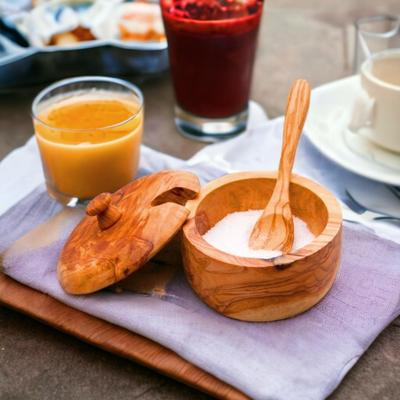
Kamsah Olive Wood Honey Pot with Dipper Spoon, Handmade, Natural FinishThis handmade honey pot and dipper are carved from natural olive wood, letting you drizzle honey evenly over tea, toast, or desserts without the mess. The naturally antibacterial wood finish resists moisture and lasts for years with proper care.39,95 $*Shipping: 0,00 $Secure redirect to the provider
-
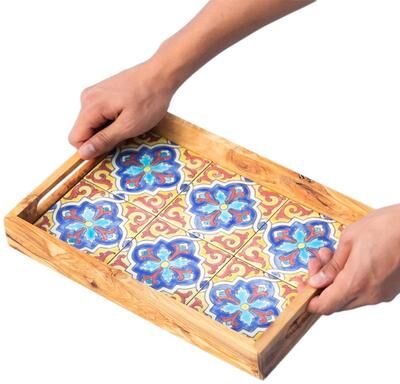
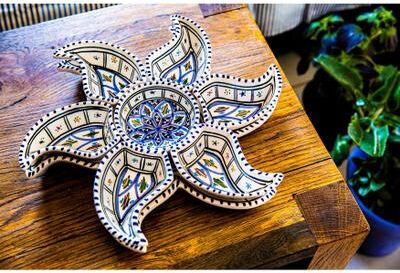
Kamsah Star-Shaped Ceramic Serving Platter, Set of 7, Handmade TunisiaServe appetizers, dips, and condiments in style with this Kamsah star-shaped ceramic serving set. It breaks apart into seven individual trays plus one larger base plate, and doubles as a decorative jewelry or trinket dish.109,95 $*Shipping: 0,00 $Secure redirect to the provider

-
How is the best way to care for an olive wood bowl?
The best way to care for an olive wood bowl is to hand wash it with mild soap and warm water, then dry it immediately with a soft cloth. Avoid soaking the bowl or putting it in the dishwasher, as this can cause the wood to warp or crack. To maintain the wood's natural beauty and prevent it from drying out, it is recommended to periodically rub the bowl with a food-safe mineral oil or olive oil. Lastly, store the bowl in a cool, dry place away from direct sunlight to prevent any damage or discoloration. **
-
Is wood an organic material?
Yes, wood is an organic material because it is derived from living organisms, specifically trees. Wood is primarily composed of cellulose, hemicellulose, and lignin, which are organic compounds. As a natural material, wood can decompose and is biodegradable, further indicating its organic nature. **
-
Is salt organic and vinegar inorganic?
Salt is not considered organic because it is a mineral compound composed of sodium and chloride ions. On the other hand, vinegar is considered organic because it is produced from the fermentation of organic materials such as apples, grapes, or grains. Inorganic compounds are typically those that do not contain carbon-hydrogen (C-H) bonds, while organic compounds do contain C-H bonds. **
-
What is the official ratio of water, flour, salt, and olive oil for pizza?
The official ratio for making pizza dough is typically 2:1:1:1 of flour, water, salt, and olive oil. This means for every 2 cups of flour, you would use 1 cup of water, and then add 1 teaspoon of salt and 1 tablespoon of olive oil. This ratio helps to create a dough that is the right consistency for stretching and shaping into a pizza crust, and also provides the right balance of flavors. **


How can one separate a mixture of sand, salt, and wood?
One way to separate a mixture of sand, salt, and wood is by using a combination of physical and chemical methods. First, the mixture can be stirred in water to dissolve the salt, leaving the sand and wood behind. The saltwater solution can then be filtered to remove the sand particles. Finally, the water can be evaporated to recover the salt, leaving the wood and sand separated. **
How can a mixture of sand, salt, and wood be separated?
A mixture of sand, salt, and wood can be separated through a combination of physical and chemical methods. First, the mixture can be poured into water, causing the salt to dissolve while the sand and wood remain. The saltwater can then be separated from the sand and wood through filtration. Next, the sand and wood can be separated using a sieve to filter out the larger wood particles. Finally, the remaining sand can be separated from any small wood particles through a process called winnowing, where the mixture is agitated to allow the lighter sand to be blown away, leaving the heavier wood behind. **
Top-Angebote
Products related to Kamsah-Olive-Wood-Salt:
-
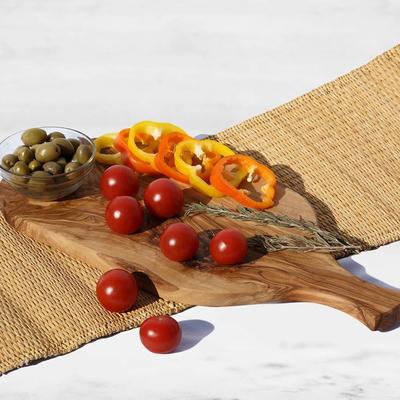
Kamsah Large Olive Wood Cutting and Serving Board, Handmade, Genuine WoodThis handcrafted serving and cutting board is made from genuine olive wood, protecting countertops while adding rustic charm to any kitchen. Its thick, self-healing surface is gentle on knives and ideal for cheese, charcuterie, or everyday food prep.49,95 $*Shipping: 0,00 $Secure redirect to the provider
-
Kamsah Olive Wood Honey Pot with Dipper Spoon, Handmade, Natural FinishThis handmade honey pot and dipper are carved from natural olive wood, letting you drizzle honey evenly over tea, toast, or desserts without the mess. The naturally antibacterial wood finish resists moisture and lasts for years with proper care.39,95 $*Shipping: 0,00 $Secure redirect to the provider
-
Is acacia wood sustainable?
Yes, acacia wood is considered sustainable. Acacia trees grow quickly and are abundant in many regions, making them a renewable resource. Additionally, acacia wood is durable and resistant to decay, which can extend its lifespan and reduce the need for frequent replacements. Proper management practices, such as replanting and responsible harvesting, can help ensure the sustainability of acacia wood as a building material. **
-
Is salt an organic substance?
No, salt is not an organic substance. Organic substances are compounds that contain carbon-hydrogen bonds, while salt, also known as sodium chloride, is a compound made up of sodium and chlorine ions. It is a mineral that is formed through the combination of these two elements and does not contain carbon-hydrogen bonds, so it is considered an inorganic substance. **
-
How is the best way to care for an olive wood bowl?
The best way to care for an olive wood bowl is to hand wash it with mild soap and warm water, then dry it immediately with a soft cloth. Avoid soaking the bowl or putting it in the dishwasher, as this can cause the wood to warp or crack. To maintain the wood's natural beauty and prevent it from drying out, it is recommended to periodically rub the bowl with a food-safe mineral oil or olive oil. Lastly, store the bowl in a cool, dry place away from direct sunlight to prevent any damage or discoloration. **
-
Is wood an organic material?
Yes, wood is an organic material because it is derived from living organisms, specifically trees. Wood is primarily composed of cellulose, hemicellulose, and lignin, which are organic compounds. As a natural material, wood can decompose and is biodegradable, further indicating its organic nature. **
Similar search terms for Kamsah-Olive-Wood-Salt
-
Kamsah Star-Shaped Ceramic Serving Platter, Set of 7, Handmade TunisiaServe appetizers, dips, and condiments in style with this Kamsah star-shaped ceramic serving set. It breaks apart into seven individual trays plus one larger base plate, and doubles as a decorative jewelry or trinket dish.109,95 $*Shipping: 0,00 $Secure redirect to the provider
-
"SHORELINE Napkins - Handmade Organic Cotton, Fair Trade, Eco-Dyed Artisan-Made by Sustainable Threads 20""x20"" (Set of 2)"SHORELINE Handwoven Organic Cotton Napkins Naturally elegant and thoughtfully crafted, the Shoreline napkins are woven from indigenous, drought-resistant organic cotton using traditional handspun yarns and botanical dyes.46,00 $*Shipping: 0,00 $Secure redirect to the provider
-
Kamsah Large Olive Wood Cutting and Serving Board, Handmade, Genuine WoodThis handcrafted serving and cutting board is made from genuine olive wood, protecting countertops while adding rustic charm to any kitchen. Its thick, self-healing surface is gentle on knives and ideal for cheese, charcuterie, or everyday food prep.89,95 $*Shipping: 0,00 $Secure redirect to the provider
-
Is salt organic and vinegar inorganic?
Salt is not considered organic because it is a mineral compound composed of sodium and chloride ions. On the other hand, vinegar is considered organic because it is produced from the fermentation of organic materials such as apples, grapes, or grains. Inorganic compounds are typically those that do not contain carbon-hydrogen (C-H) bonds, while organic compounds do contain C-H bonds. **
-
What is the official ratio of water, flour, salt, and olive oil for pizza?
The official ratio for making pizza dough is typically 2:1:1:1 of flour, water, salt, and olive oil. This means for every 2 cups of flour, you would use 1 cup of water, and then add 1 teaspoon of salt and 1 tablespoon of olive oil. This ratio helps to create a dough that is the right consistency for stretching and shaping into a pizza crust, and also provides the right balance of flavors. **
-
How can one separate a mixture of sand, salt, and wood?
One way to separate a mixture of sand, salt, and wood is by using a combination of physical and chemical methods. First, the mixture can be stirred in water to dissolve the salt, leaving the sand and wood behind. The saltwater solution can then be filtered to remove the sand particles. Finally, the water can be evaporated to recover the salt, leaving the wood and sand separated. **
-
How can a mixture of sand, salt, and wood be separated?
A mixture of sand, salt, and wood can be separated through a combination of physical and chemical methods. First, the mixture can be poured into water, causing the salt to dissolve while the sand and wood remain. The saltwater can then be separated from the sand and wood through filtration. Next, the sand and wood can be separated using a sieve to filter out the larger wood particles. Finally, the remaining sand can be separated from any small wood particles through a process called winnowing, where the mixture is agitated to allow the lighter sand to be blown away, leaving the heavier wood behind. **
* All prices are inclusive of VAT and, if applicable, plus shipping costs. The offer information is based on the details provided by the respective shop and is updated through automated processes. Real-time updates do not occur, so deviations can occur in individual cases. ** Note: Parts of this content were created by AI.