Buy ahorarepublicas.eu ?
We are moving the project
ahorarepublicas.eu .
Are you interested in purchasing the domain
ahorarepublicas.eu ?
domain@kv-gmbh.de · 0541-91531010
Buy ahorarepublicas.eu ?
What is the difference between organic and eco-friendly products?
Organic products are made from ingredients that are grown without the use of synthetic pesticides, herbicides, or fertilizers, and are often certified by a regulatory body. Eco-friendly products, on the other hand, are designed to have minimal impact on the environment throughout their entire lifecycle, from production to disposal. While organic products focus on the natural ingredients used, eco-friendly products consider the overall environmental impact of the product. In essence, organic products focus on the ingredients, while eco-friendly products focus on the entire product lifecycle. **
Is organic sustainable?
Organic farming practices can be more sustainable than conventional methods in terms of reducing chemical inputs, promoting biodiversity, and improving soil health. However, there are challenges to the scalability and efficiency of organic farming, which can impact its overall sustainability. For example, organic farming typically requires more land and labor to produce the same amount of food as conventional methods, which can limit its ability to meet global food demand. Additionally, the transportation and distribution of organic products can have a higher environmental impact due to their shorter shelf life and the need for refrigeration. Overall, while organic farming has many sustainable benefits, there are also limitations to its long-term sustainability on a large scale. **

Similar search terms for History
Top-Angebote
Products related to History:
-
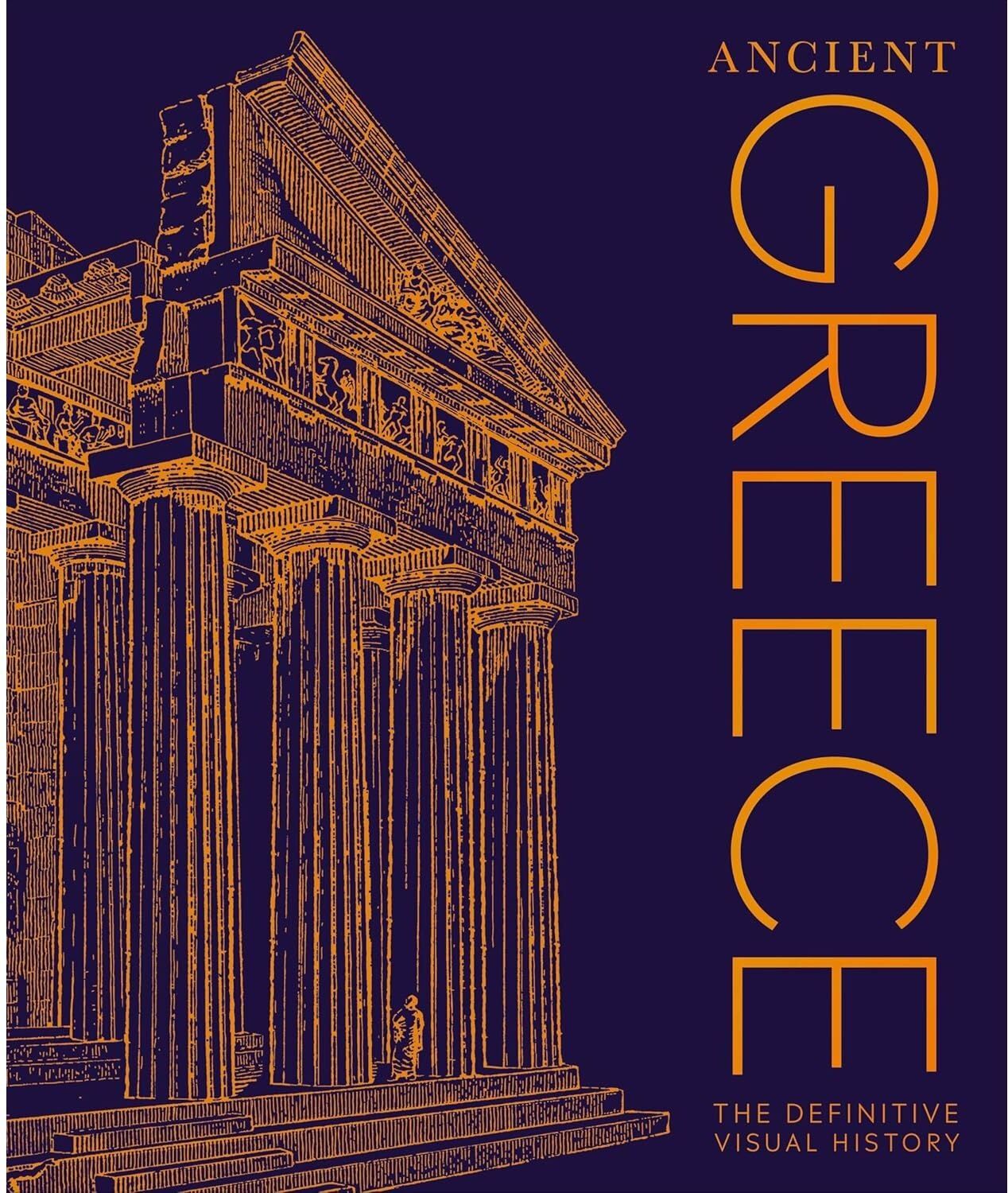
Ancient Greece: The Definitive Visual History (DK Classic History)Embark upon a fascinating journey through ancient Greece – from its rise and fall to its lasting legacy throughout the Western world. Spanning more than 3,000 years, Ancient Greece explores the tumultuous history of this glorious empire in vivid detail – from its Minoan and Mycenaean origins to the apogee of the warring city-states of Athens and Sparta, and from the death of its most charismatic leader, Alexander the Great, to its ultimate defeat by Rome. Sumptuous photography and authoritative, engaging text cover every facet of life in ancient Greece, from art, entertainment, and schools of thought to politics, medicine, and war, while the myths and religious beliefs of the ancient culture are explored and explained in depth. Greece’s military and political power shines through in fascinating maps of its legendary battles. Buried palaces and the Athenian Agora where Plato and Socrates discussed philosophy are brought back to life with stunning CGI artworks. And the stories of everyone from ordinary citizens to lawmakers and the first Olympic athletes are retold through eyewitness accounts and original artefacts.19,99 £*Shipping: 2,99 £Secure redirect to the provider
-
"TIMELESS Organic Cotton Napkins - Handmade, Fair Trade, Eco-Dyed by Sustainable Threads - 20""x20"" (Set of 2)"TIMELESS Collection Handwoven Organic Cotton Napkins - Set of 2 Classic and enduring, these yarn-dyed, handwoven napkins are crafted from indigenous, drought-resistant organic cotton using traditional handspun and botanical dye methods.64,00 $*Shipping: 0,00 $Secure redirect to the provider
-
Fern Press Sapiens A Graphic History Volume 3: The Masters of History - Non Fiction - Graphic History SeriesTitle:. Sapiens: A Graphic History Volume 3: The Masters of History Overview:. Delve into the third instalment of the acclaimed Sapiens: A Graphic History, where Yuval Noah Harari’s sweeping ideas meet vibrant illustration, making big-history concepts approachable, memorable, and utterly engaging. In Volume 3, The Masters of History, the narrative zooms out to ask: what actually drives the arc of civilizations—the engine of empire, the lure of money, or the pull of belief—and could there be a hidden force even stronger? Witty, insightful, and provocatively visual, this volume translates Harari’s non-fiction blockbuster into a graphic format that readers can skim, savor, and debate. The creators—Harari alongside David Vandermeulen and Daniel Casanave—employ a playful “master of history” game-show framework to personify abstract forces, turning centuries of complex events into lively conversations, crisp panels, and clear diagrams. It’s not mere entertainment; it’s a rigorous, thought-provoking synthesis designed for curious minds who want to understand how the world became the way it is. Accessible to newcomers and deeply rewarding for long-time readers, this volume invites discussion, reflection, and a fresh appreciation of human history. This is non-fiction rewritten for the graphic age, perfect for readers who want the clarity of a guidebook and the imagination of a comic. What Makes This Book Stand Out:. What sets Volume 3 apart is the way it blends Harari’s provocative historical theses with Vandermeulen’s storytelling instincts and Casanave’s expressive artwork. The game-show conceit makes abstract forces tangible—empires, economies, religions, and ideas—so you can see how they pull, push, and occasionally derail the course of history. The panels balance humor with rigor, offering bite-sized insights without sacrificing depth. The graphic medium amplifies big ideas: economic systems are shown as living threads; religious movements become character-driven plots; political power unfolds in stylized sequences. The result is a readable, visually stimulating narrative that respects the reader’s intelligence while making complex history feel immediate and relevant. It’s the kind of book that invites rereading, diagram-building, and discussion—ideal for study, gifting, or personal curiosity. Who This Book Is Perfect For:. This volume speaks to readers who love grand-scale history presented with accessible clarity: history buffs who crave fresh angles, graphic-novel enthusiasts seeking substantive nonfiction, and students or teachers looking for a compelling classroom companion. It’s equally suited to BookTok and book-club conversations where ideas spark debate. Fans of Harari’s original Sapiens will appreciate the graphic translation, while newcomers can enjoy a vivid, self-contained entry point into civilization’s driving forces. Whether you’re assembling a personal library, seeking a thought-provoking gift for a curious mind, or hunting for a...22,00 £*Shipping: 2,99 £Secure redirect to the provider
-
"ON TRACK Napkins - Handmade Organic Cotton by Sustainable Threads Fair Trade Eco-Dyed - 20""x20"" (Set of 2)"ON TRACK Handwoven Organic Cotton Napkins Modern and purposeful, these yarn-dyed, handwoven napkins are made from indigenous, drought-resistant organic cotton dyed with botanical materials and crafted using traditional handspun weaving techniques.48,00 $*Shipping: 0,00 $Secure redirect to the provider


-
Why don't eco-friendly women shave?
Eco-friendly women may choose not to shave for a variety of reasons related to sustainability and environmental impact. Shaving requires the use of disposable razors, which contribute to plastic waste in landfills. Additionally, the production and transportation of shaving products can have a significant carbon footprint. By opting not to shave, eco-friendly women can reduce their personal contribution to waste and carbon emissions, aligning with their values of environmental conservation. **
-
Which eco-friendly diapers are the best?
The best eco-friendly diapers are those that are made from sustainable materials such as bamboo, organic cotton, or plant-based fibers. Brands like Bambo Nature, Eco by Naty, and Seventh Generation are popular choices for their commitment to using environmentally friendly materials and reducing their carbon footprint. It's important to look for diapers that are free from harmful chemicals, dyes, and fragrances to ensure they are safe for both your baby and the environment. Ultimately, the best eco-friendly diaper will depend on your personal preferences and values, so it's worth trying a few different brands to see which one works best for you and your baby. **
-
Should history classes teach more about African history?
Yes, history classes should teach more about African history. African history is rich and diverse, with a long and complex history that has often been overlooked or marginalized in traditional history curriculums. By including more African history in the curriculum, students can gain a more comprehensive understanding of the world and the interconnectedness of different cultures and societies. This can also help to challenge stereotypes and misconceptions about Africa and its people, and promote a more inclusive and accurate portrayal of global history. **
-
Is history reported one-sidedly in history books?
History is often reported one-sidedly in history books, as they are typically written from the perspective of the dominant or victorious group. This can lead to the experiences and perspectives of marginalized or oppressed groups being overlooked or misrepresented. It is important for readers to critically analyze multiple sources and perspectives to gain a more comprehensive understanding of historical events. By seeking out diverse viewpoints and voices, a more balanced and nuanced understanding of history can be achieved. **


Is our perspective on history manipulated by history classes?
Yes, our perspective on history can be manipulated by history classes. History classes often focus on specific events, figures, and narratives that align with the dominant cultural and political perspectives of the time. This can lead to the omission or downplaying of certain perspectives, events, and voices, which can shape our understanding of history in a biased way. Additionally, the way history is taught and the materials used in history classes can also influence how we perceive and interpret historical events. It is important to critically analyze and seek out diverse sources of information to gain a more comprehensive understanding of history. **
Is our perspective on history manipulated by history lessons?
Our perspective on history can be influenced by history lessons, as they often present a particular narrative or interpretation of events. History lessons may focus on certain events or figures while omitting others, leading to a biased view of the past. Additionally, the way history is taught can shape our understanding of key concepts such as power, identity, and progress. It is important to critically analyze the information presented in history lessons and seek out diverse perspectives to develop a more nuanced understanding of the past. **
Top-Angebote
Products related to History:
-
"SHORELINE Napkins - Handmade Organic Cotton, Fair Trade, Eco-Dyed Artisan-Made by Sustainable Threads 20""x20"" (Set of 2)"SHORELINE Handwoven Organic Cotton Napkins Naturally elegant and thoughtfully crafted, the Shoreline napkins are woven from indigenous, drought-resistant organic cotton using traditional handspun yarns and botanical dyes.46,00 $*Shipping: 0,00 $Secure redirect to the provider
-
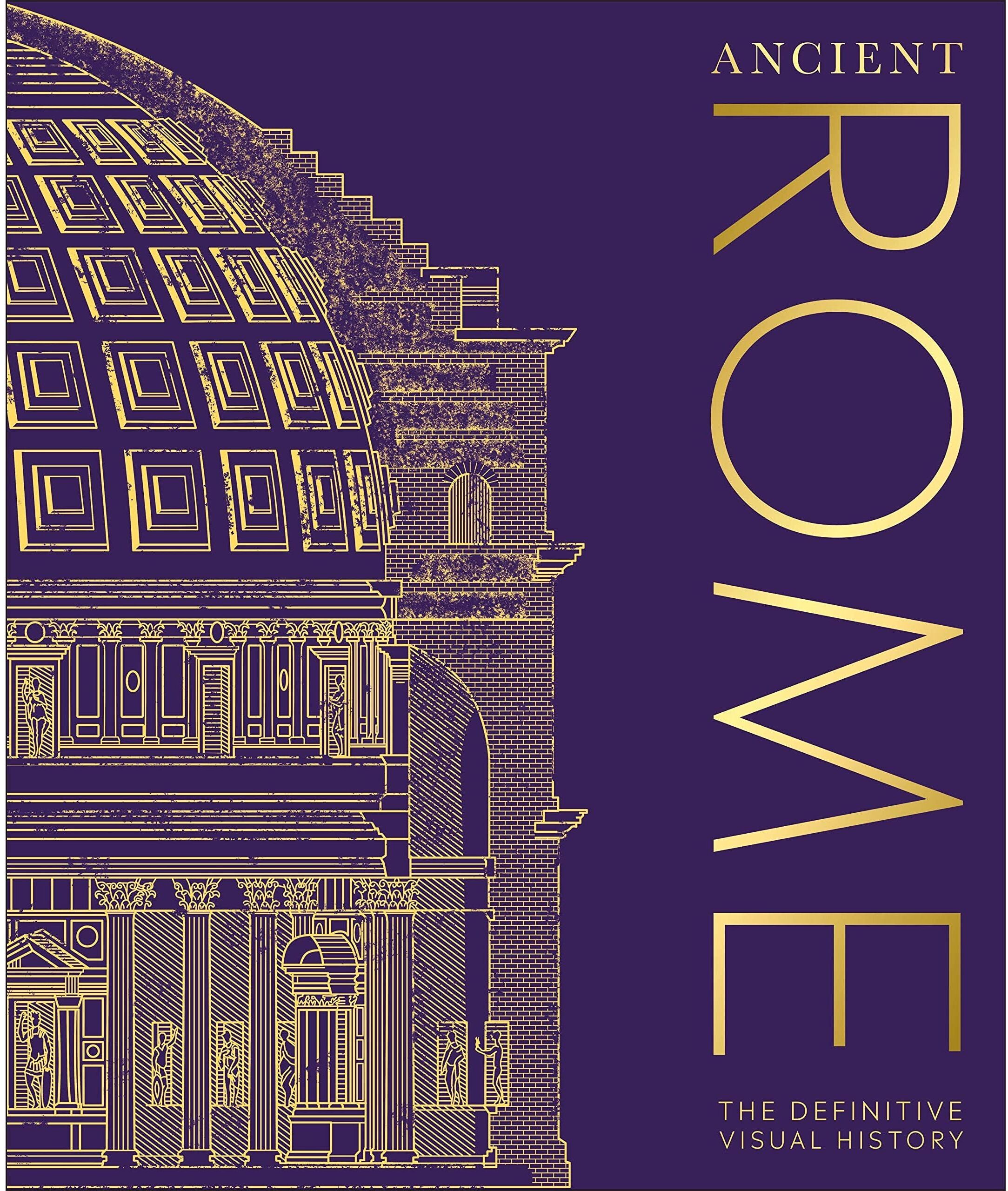
Ancient Rome: The Definitive Visual History (DK Classic History)Immerse yourself in the history of ancient Rome - from its origins as a small settlement on the Palatine Hill to its peak as an empire reigning over 90 million people, and its tumultuous decline. Covering more than 1,000 years of history, and an empire that stretched from Scotland to Syria, Ancient Rome reveals in vivid detail all of the key political, cultural, and military events that shaped the Roman Empire and explores what it was like to live in a society that laid the foundations for many aspects of the modern world. Sumptuous photography and engaging text cover every facet of life in ancient Rome, from art, entertainment, and fashion to engineering, medicine, and war, while detailed maps trace the rise of the mighty Roman Empire. Step back in time in the pages of this history book to discover:- Themed spreads explore developments in areas such as sculpture, religion, warfare, and engineering. - Includes tales of the most dramatic events and battles in Roman history, as well as profiles of influential historical and cultural figures. - An optional 80pp reference section includes sections on rulers, gods and goddesses, and key sites. Featuring Rome's greatest emperors, from Augustus to Constantine, as well as profiles of generals, historians, and influential women, Ancient Rome also delves into the fascinating stories of gladiators, bakers, and enslaved people. The most iconic buildings of Rome are brought to life with specially commissioned CGI recreations, while the stories of ordinary citizens, soldiers, and persecuted groups from across the empire are told with the help of illustrations, artefacts, and eyewitness accounts. Beautifully illustrated and unparalleled in scope, Ancient Rome is the perfect book for anyone who is interested in this defining period of world history.19,95 £*Shipping: 2,99 £Secure redirect to the provider
-
Ancient Greece: The Definitive Visual History (DK Classic History)Embark upon a fascinating journey through ancient Greece – from its rise and fall to its lasting legacy throughout the Western world. Spanning more than 3,000 years, Ancient Greece explores the tumultuous history of this glorious empire in vivid detail – from its Minoan and Mycenaean origins to the apogee of the warring city-states of Athens and Sparta, and from the death of its most charismatic leader, Alexander the Great, to its ultimate defeat by Rome. Sumptuous photography and authoritative, engaging text cover every facet of life in ancient Greece, from art, entertainment, and schools of thought to politics, medicine, and war, while the myths and religious beliefs of the ancient culture are explored and explained in depth. Greece’s military and political power shines through in fascinating maps of its legendary battles. Buried palaces and the Athenian Agora where Plato and Socrates discussed philosophy are brought back to life with stunning CGI artworks. And the stories of everyone from ordinary citizens to lawmakers and the first Olympic athletes are retold through eyewitness accounts and original artefacts.19,99 £*Shipping: 2,99 £Secure redirect to the provider
-
"TIMELESS Organic Cotton Napkins - Handmade, Fair Trade, Eco-Dyed by Sustainable Threads - 20""x20"" (Set of 2)"TIMELESS Collection Handwoven Organic Cotton Napkins - Set of 2 Classic and enduring, these yarn-dyed, handwoven napkins are crafted from indigenous, drought-resistant organic cotton using traditional handspun and botanical dye methods.64,00 $*Shipping: 0,00 $Secure redirect to the provider
-
What is the difference between organic and eco-friendly products?
Organic products are made from ingredients that are grown without the use of synthetic pesticides, herbicides, or fertilizers, and are often certified by a regulatory body. Eco-friendly products, on the other hand, are designed to have minimal impact on the environment throughout their entire lifecycle, from production to disposal. While organic products focus on the natural ingredients used, eco-friendly products consider the overall environmental impact of the product. In essence, organic products focus on the ingredients, while eco-friendly products focus on the entire product lifecycle. **
-
Is organic sustainable?
Organic farming practices can be more sustainable than conventional methods in terms of reducing chemical inputs, promoting biodiversity, and improving soil health. However, there are challenges to the scalability and efficiency of organic farming, which can impact its overall sustainability. For example, organic farming typically requires more land and labor to produce the same amount of food as conventional methods, which can limit its ability to meet global food demand. Additionally, the transportation and distribution of organic products can have a higher environmental impact due to their shorter shelf life and the need for refrigeration. Overall, while organic farming has many sustainable benefits, there are also limitations to its long-term sustainability on a large scale. **
-
Why don't eco-friendly women shave?
Eco-friendly women may choose not to shave for a variety of reasons related to sustainability and environmental impact. Shaving requires the use of disposable razors, which contribute to plastic waste in landfills. Additionally, the production and transportation of shaving products can have a significant carbon footprint. By opting not to shave, eco-friendly women can reduce their personal contribution to waste and carbon emissions, aligning with their values of environmental conservation. **
-
Which eco-friendly diapers are the best?
The best eco-friendly diapers are those that are made from sustainable materials such as bamboo, organic cotton, or plant-based fibers. Brands like Bambo Nature, Eco by Naty, and Seventh Generation are popular choices for their commitment to using environmentally friendly materials and reducing their carbon footprint. It's important to look for diapers that are free from harmful chemicals, dyes, and fragrances to ensure they are safe for both your baby and the environment. Ultimately, the best eco-friendly diaper will depend on your personal preferences and values, so it's worth trying a few different brands to see which one works best for you and your baby. **
Similar search terms for History
-
Fern Press Sapiens A Graphic History Volume 3: The Masters of History - Non Fiction - Graphic History SeriesTitle:. Sapiens: A Graphic History Volume 3: The Masters of History Overview:. Delve into the third instalment of the acclaimed Sapiens: A Graphic History, where Yuval Noah Harari’s sweeping ideas meet vibrant illustration, making big-history concepts approachable, memorable, and utterly engaging. In Volume 3, The Masters of History, the narrative zooms out to ask: what actually drives the arc of civilizations—the engine of empire, the lure of money, or the pull of belief—and could there be a hidden force even stronger? Witty, insightful, and provocatively visual, this volume translates Harari’s non-fiction blockbuster into a graphic format that readers can skim, savor, and debate. The creators—Harari alongside David Vandermeulen and Daniel Casanave—employ a playful “master of history” game-show framework to personify abstract forces, turning centuries of complex events into lively conversations, crisp panels, and clear diagrams. It’s not mere entertainment; it’s a rigorous, thought-provoking synthesis designed for curious minds who want to understand how the world became the way it is. Accessible to newcomers and deeply rewarding for long-time readers, this volume invites discussion, reflection, and a fresh appreciation of human history. This is non-fiction rewritten for the graphic age, perfect for readers who want the clarity of a guidebook and the imagination of a comic. What Makes This Book Stand Out:. What sets Volume 3 apart is the way it blends Harari’s provocative historical theses with Vandermeulen’s storytelling instincts and Casanave’s expressive artwork. The game-show conceit makes abstract forces tangible—empires, economies, religions, and ideas—so you can see how they pull, push, and occasionally derail the course of history. The panels balance humor with rigor, offering bite-sized insights without sacrificing depth. The graphic medium amplifies big ideas: economic systems are shown as living threads; religious movements become character-driven plots; political power unfolds in stylized sequences. The result is a readable, visually stimulating narrative that respects the reader’s intelligence while making complex history feel immediate and relevant. It’s the kind of book that invites rereading, diagram-building, and discussion—ideal for study, gifting, or personal curiosity. Who This Book Is Perfect For:. This volume speaks to readers who love grand-scale history presented with accessible clarity: history buffs who crave fresh angles, graphic-novel enthusiasts seeking substantive nonfiction, and students or teachers looking for a compelling classroom companion. It’s equally suited to BookTok and book-club conversations where ideas spark debate. Fans of Harari’s original Sapiens will appreciate the graphic translation, while newcomers can enjoy a vivid, self-contained entry point into civilization’s driving forces. Whether you’re assembling a personal library, seeking a thought-provoking gift for a curious mind, or hunting for a...22,00 £*Shipping: 2,99 £Secure redirect to the provider
-
"ON TRACK Napkins - Handmade Organic Cotton by Sustainable Threads Fair Trade Eco-Dyed - 20""x20"" (Set of 2)"ON TRACK Handwoven Organic Cotton Napkins Modern and purposeful, these yarn-dyed, handwoven napkins are made from indigenous, drought-resistant organic cotton dyed with botanical materials and crafted using traditional handspun weaving techniques.48,00 $*Shipping: 0,00 $Secure redirect to the provider
-
"TIMELESS Organic Cotton Napkins - Handmade, Fair Trade, Eco-Dyed by Sustainable Threads - 20""x20"" (Set of 2)"TIMELESS Collection Handwoven Organic Cotton Napkins - Set of 2 Classic and enduring, these yarn-dyed, handwoven napkins are crafted from indigenous, drought-resistant organic cotton using traditional handspun and botanical dye methods.64,00 $*Shipping: 0,00 $Secure redirect to the provider
-
Should history classes teach more about African history?
Yes, history classes should teach more about African history. African history is rich and diverse, with a long and complex history that has often been overlooked or marginalized in traditional history curriculums. By including more African history in the curriculum, students can gain a more comprehensive understanding of the world and the interconnectedness of different cultures and societies. This can also help to challenge stereotypes and misconceptions about Africa and its people, and promote a more inclusive and accurate portrayal of global history. **
-
Is history reported one-sidedly in history books?
History is often reported one-sidedly in history books, as they are typically written from the perspective of the dominant or victorious group. This can lead to the experiences and perspectives of marginalized or oppressed groups being overlooked or misrepresented. It is important for readers to critically analyze multiple sources and perspectives to gain a more comprehensive understanding of historical events. By seeking out diverse viewpoints and voices, a more balanced and nuanced understanding of history can be achieved. **
-
Is our perspective on history manipulated by history classes?
Yes, our perspective on history can be manipulated by history classes. History classes often focus on specific events, figures, and narratives that align with the dominant cultural and political perspectives of the time. This can lead to the omission or downplaying of certain perspectives, events, and voices, which can shape our understanding of history in a biased way. Additionally, the way history is taught and the materials used in history classes can also influence how we perceive and interpret historical events. It is important to critically analyze and seek out diverse sources of information to gain a more comprehensive understanding of history. **
-
Is our perspective on history manipulated by history lessons?
Our perspective on history can be influenced by history lessons, as they often present a particular narrative or interpretation of events. History lessons may focus on certain events or figures while omitting others, leading to a biased view of the past. Additionally, the way history is taught can shape our understanding of key concepts such as power, identity, and progress. It is important to critically analyze the information presented in history lessons and seek out diverse perspectives to develop a more nuanced understanding of the past. **
* All prices are inclusive of VAT and, if applicable, plus shipping costs. The offer information is based on the details provided by the respective shop and is updated through automated processes. Real-time updates do not occur, so deviations can occur in individual cases. ** Note: Parts of this content were created by AI.