Buy ahorarepublicas.eu ?
We are moving the project
ahorarepublicas.eu .
Are you interested in purchasing the domain
ahorarepublicas.eu ?
domain@kv-gmbh.de · 0541-91531010
Buy ahorarepublicas.eu ?
What is the difference between organic and eco-friendly products?
Organic products are made from ingredients that are grown without the use of synthetic pesticides, herbicides, or fertilizers, and are often certified by a regulatory body. Eco-friendly products, on the other hand, are designed to have minimal impact on the environment throughout their entire lifecycle, from production to disposal. While organic products focus on the natural ingredients used, eco-friendly products consider the overall environmental impact of the product. In essence, organic products focus on the ingredients, while eco-friendly products focus on the entire product lifecycle. **
Is organic sustainable?
Organic farming practices can be more sustainable than conventional methods in terms of reducing chemical inputs, promoting biodiversity, and improving soil health. However, there are challenges to the scalability and efficiency of organic farming, which can impact its overall sustainability. For example, organic farming typically requires more land and labor to produce the same amount of food as conventional methods, which can limit its ability to meet global food demand. Additionally, the transportation and distribution of organic products can have a higher environmental impact due to their shorter shelf life and the need for refrigeration. Overall, while organic farming has many sustainable benefits, there are also limitations to its long-term sustainability on a large scale. **


Similar search terms for Engineering
Top-Angebote
Products related to Engineering:
-
"TIMELESS Organic Cotton Napkins - Handmade, Fair Trade, Eco-Dyed by Sustainable Threads - 20""x20"" (Set of 2)"TIMELESS Collection Handwoven Organic Cotton Napkins - Set of 2 Classic and enduring, these yarn-dyed, handwoven napkins are crafted from indigenous, drought-resistant organic cotton using traditional handspun and botanical dye methods.64,00 $*Shipping: 0,00 $Secure redirect to the provider
-
"ON TRACK Napkins - Handmade Organic Cotton by Sustainable Threads Fair Trade Eco-Dyed - 20""x20"" (Set of 2)"ON TRACK Handwoven Organic Cotton Napkins Modern and purposeful, these yarn-dyed, handwoven napkins are made from indigenous, drought-resistant organic cotton dyed with botanical materials and crafted using traditional handspun weaving techniques.48,00 $*Shipping: 0,00 $Secure redirect to the provider
-
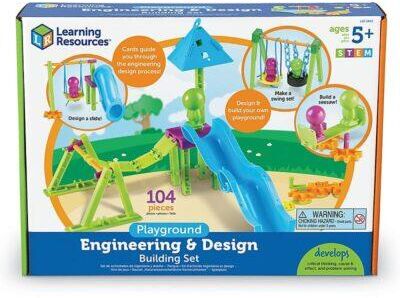
Learning Resources Playground Engineering & Design KitEncourage your child to come up with their own designs or they can follow the Challenge Cards, which include how to build different pieces of equipment on a playground (a twisty slide, a swing set, a seesaw, and more). Reproducible worksheets based...29,99 $*Shipping: 0,00 $Secure redirect to the provider
-
Superior Eco-Friendly Sustainable Cotton 12-Piece Bathroom Towel SetMade with incredibly soft recycled cotton, the Eco-Friendly Sustainable Cotton Bathroom Towel Set is the perfect green addition to any bathroom space. Our sustainable Cotton towels are lightweight to get you dry quickly after a shower or bath.75,83 $*Shipping: 0,00 $Secure redirect to the provider



-
What is chemical engineering process engineering?
Chemical engineering process engineering is a branch of engineering that focuses on designing, optimizing, and operating processes that involve chemical or biological transformations to produce valuable products. It involves the application of principles from chemistry, physics, biology, and mathematics to develop efficient and sustainable processes in industries such as pharmaceuticals, food and beverage, energy, and environmental protection. Chemical engineers in process engineering work on various stages of a process, from conceptualization and design to implementation and troubleshooting, to ensure the safe and efficient production of desired products. **
-
What is process engineering chemical engineering?
Process engineering in chemical engineering involves designing, optimizing, and operating processes that involve the transformation of raw materials into valuable products. It focuses on the development and implementation of efficient and sustainable processes in industries such as pharmaceuticals, food and beverage, and petrochemicals. Process engineers use principles of chemistry, physics, and mathematics to improve the efficiency, safety, and cost-effectiveness of chemical processes. They play a crucial role in ensuring that chemical processes are environmentally friendly and meet regulatory standards. **
-
What is control engineering in electrical engineering?
Control engineering in electrical engineering is the application of control theory to design systems that regulate the behavior of dynamic systems. It involves the use of mathematical models and algorithms to manipulate the input to a system in order to achieve the desired output. Control engineers design and implement control systems for a wide range of applications, such as robotics, power systems, and industrial automation. This field is crucial for ensuring the stability, efficiency, and safety of electrical systems. **
-
Should I study civil engineering or industrial engineering?
The choice between civil engineering and industrial engineering ultimately depends on your interests and career goals. Civil engineering focuses on the design and construction of infrastructure projects such as buildings, bridges, and roads, while industrial engineering focuses on optimizing processes and systems in various industries. Consider your strengths, interests, and the type of work environment you prefer when making your decision. Researching the job market and potential career opportunities in each field can also help you make an informed decision. **


What is better: Mechanical engineering or electrical engineering?
The answer to this question depends on individual interests and career goals. Mechanical engineering focuses on designing and building mechanical systems, such as engines and machines, while electrical engineering focuses on designing and developing electrical systems, such as power generation and electronics. Both fields offer unique opportunities for innovation and problem-solving. Ultimately, the decision between mechanical and electrical engineering should be based on personal interests and career aspirations. **
Should I study mechanical engineering or automotive engineering?
The decision between studying mechanical engineering or automotive engineering depends on your interests and career goals. If you are passionate about designing and developing automotive systems, such as engines, transmissions, and vehicle dynamics, then automotive engineering may be the right choice for you. On the other hand, if you are interested in a broader range of engineering principles and want to keep your career options open to various industries, then mechanical engineering may be a better fit. Consider your interests, strengths, and long-term career aspirations to make an informed decision. **
Top-Angebote
Products related to Engineering:
-
"SHORELINE Napkins - Handmade Organic Cotton, Fair Trade, Eco-Dyed Artisan-Made by Sustainable Threads 20""x20"" (Set of 2)"SHORELINE Handwoven Organic Cotton Napkins Naturally elegant and thoughtfully crafted, the Shoreline napkins are woven from indigenous, drought-resistant organic cotton using traditional handspun yarns and botanical dyes.46,00 $*Shipping: 0,00 $Secure redirect to the provider
-
Oneworld Publications Engineering: A Beginner's Guide An Essential Introduction To Engineering Concepts - Non Fiction - PaperbackTitle:. Engineering: A Beginner's Guide An Essential Introduction To Engineering Concepts - Non Fiction - Paperback Format: Paperback Overview:. Engineering: A Beginner's Guide introduces the essential ideas behind engineering in a friendly, accessible way. Whether you're curious about how the things we use every day are designed, or you're considering a path in STEM, this paperback offers a clear map from first principles to practical applications. The book explains what engineers actually do, the problems they solve, and the way teams move an idea from concept to reality. Readers are guided through core concepts across major disciplines—mechanical, civil, electrical, software, and chemical engineering—without assuming prior math or science training. Through concise explanations, relatable examples, and a focus on the design process, the book builds a practical mental model for thinking like an engineer: identify a problem, define criteria, brainstorm solutions, test ideas, iterate, and refine. Expect approachable language, real-world demonstrations, and a steady progression that demystifies complex topics. The tone is reassuring and encouraging, inviting readers to experiment, ask questions, and see the connections between theory and everyday life. It is ideal for self-learners, students exploring engineering careers, or anyone who loves understanding how things work. The guide also covers the basics of safety, ethics, and teamwork, showing how responsible engineering creates reliable, useful technologies. What Makes This Book Stand Out:. Where this guide truly shines is its ability to translate abstract engineering ideas into concrete intuition. It avoids jargon and long equations in favor of vivid explanations, clear definitions, and memorable analogies. Readers gain a broad overview of engineering disciplines while developing a unifying problem-solving mindset that applies to school projects, maker workshops, or future careers. The book emphasizes the design process as a repeatable cycle: define, ideate, prototype, test, and refine, with emphasis on iteration and learning from failure. By anchoring theory to everyday objects—what makes a door resilient, how a smartphone housing manages heat, why bridges must be safe—readers see relevance from page one. The approachable format supports independent study, classroom discussions, or revision for exams, while the calm pace helps build confidence for beginners who may feel overwhelmed by more technical texts. This guide sets readers up not just to understand engineering, but to think like engineers. Who This Book Is Perfect For:. Students weighing engineering as a future degree, parents seeking a friendly overview for their curious junior engineers, and adult readers exploring STEM careers will find this book especially useful. It's also an excellent starter for high schoolers preparing for physics, mathematics, or technology courses, and for hobbyists who like to understand how gadgets and...99,99 £*Shipping: 0,00 £Secure redirect to the provider
-
"TIMELESS Organic Cotton Napkins - Handmade, Fair Trade, Eco-Dyed by Sustainable Threads - 20""x20"" (Set of 2)"TIMELESS Collection Handwoven Organic Cotton Napkins - Set of 2 Classic and enduring, these yarn-dyed, handwoven napkins are crafted from indigenous, drought-resistant organic cotton using traditional handspun and botanical dye methods.64,00 $*Shipping: 0,00 $Secure redirect to the provider
-
"ON TRACK Napkins - Handmade Organic Cotton by Sustainable Threads Fair Trade Eco-Dyed - 20""x20"" (Set of 2)"ON TRACK Handwoven Organic Cotton Napkins Modern and purposeful, these yarn-dyed, handwoven napkins are made from indigenous, drought-resistant organic cotton dyed with botanical materials and crafted using traditional handspun weaving techniques.48,00 $*Shipping: 0,00 $Secure redirect to the provider
-
What is the difference between organic and eco-friendly products?
Organic products are made from ingredients that are grown without the use of synthetic pesticides, herbicides, or fertilizers, and are often certified by a regulatory body. Eco-friendly products, on the other hand, are designed to have minimal impact on the environment throughout their entire lifecycle, from production to disposal. While organic products focus on the natural ingredients used, eco-friendly products consider the overall environmental impact of the product. In essence, organic products focus on the ingredients, while eco-friendly products focus on the entire product lifecycle. **
-
Is organic sustainable?
Organic farming practices can be more sustainable than conventional methods in terms of reducing chemical inputs, promoting biodiversity, and improving soil health. However, there are challenges to the scalability and efficiency of organic farming, which can impact its overall sustainability. For example, organic farming typically requires more land and labor to produce the same amount of food as conventional methods, which can limit its ability to meet global food demand. Additionally, the transportation and distribution of organic products can have a higher environmental impact due to their shorter shelf life and the need for refrigeration. Overall, while organic farming has many sustainable benefits, there are also limitations to its long-term sustainability on a large scale. **
-
What is chemical engineering process engineering?
Chemical engineering process engineering is a branch of engineering that focuses on designing, optimizing, and operating processes that involve chemical or biological transformations to produce valuable products. It involves the application of principles from chemistry, physics, biology, and mathematics to develop efficient and sustainable processes in industries such as pharmaceuticals, food and beverage, energy, and environmental protection. Chemical engineers in process engineering work on various stages of a process, from conceptualization and design to implementation and troubleshooting, to ensure the safe and efficient production of desired products. **
-
What is process engineering chemical engineering?
Process engineering in chemical engineering involves designing, optimizing, and operating processes that involve the transformation of raw materials into valuable products. It focuses on the development and implementation of efficient and sustainable processes in industries such as pharmaceuticals, food and beverage, and petrochemicals. Process engineers use principles of chemistry, physics, and mathematics to improve the efficiency, safety, and cost-effectiveness of chemical processes. They play a crucial role in ensuring that chemical processes are environmentally friendly and meet regulatory standards. **
Similar search terms for Engineering
-
Learning Resources Playground Engineering & Design KitEncourage your child to come up with their own designs or they can follow the Challenge Cards, which include how to build different pieces of equipment on a playground (a twisty slide, a swing set, a seesaw, and more). Reproducible worksheets based...29,99 $*Shipping: 0,00 $Secure redirect to the provider
-
Superior Eco-Friendly Sustainable Cotton 12-Piece Bathroom Towel SetMade with incredibly soft recycled cotton, the Eco-Friendly Sustainable Cotton Bathroom Towel Set is the perfect green addition to any bathroom space. Our sustainable Cotton towels are lightweight to get you dry quickly after a shower or bath.75,83 $*Shipping: 0,00 $Secure redirect to the provider
-
"TIMELESS Organic Cotton Napkins - Handmade, Fair Trade, Eco-Dyed by Sustainable Threads - 20""x20"" (Set of 2)"TIMELESS Collection Handwoven Organic Cotton Napkins - Set of 2 Classic and enduring, these yarn-dyed, handwoven napkins are crafted from indigenous, drought-resistant organic cotton using traditional handspun and botanical dye methods.64,00 $*Shipping: 0,00 $Secure redirect to the provider
-
What is control engineering in electrical engineering?
Control engineering in electrical engineering is the application of control theory to design systems that regulate the behavior of dynamic systems. It involves the use of mathematical models and algorithms to manipulate the input to a system in order to achieve the desired output. Control engineers design and implement control systems for a wide range of applications, such as robotics, power systems, and industrial automation. This field is crucial for ensuring the stability, efficiency, and safety of electrical systems. **
-
Should I study civil engineering or industrial engineering?
The choice between civil engineering and industrial engineering ultimately depends on your interests and career goals. Civil engineering focuses on the design and construction of infrastructure projects such as buildings, bridges, and roads, while industrial engineering focuses on optimizing processes and systems in various industries. Consider your strengths, interests, and the type of work environment you prefer when making your decision. Researching the job market and potential career opportunities in each field can also help you make an informed decision. **
-
What is better: Mechanical engineering or electrical engineering?
The answer to this question depends on individual interests and career goals. Mechanical engineering focuses on designing and building mechanical systems, such as engines and machines, while electrical engineering focuses on designing and developing electrical systems, such as power generation and electronics. Both fields offer unique opportunities for innovation and problem-solving. Ultimately, the decision between mechanical and electrical engineering should be based on personal interests and career aspirations. **
-
Should I study mechanical engineering or automotive engineering?
The decision between studying mechanical engineering or automotive engineering depends on your interests and career goals. If you are passionate about designing and developing automotive systems, such as engines, transmissions, and vehicle dynamics, then automotive engineering may be the right choice for you. On the other hand, if you are interested in a broader range of engineering principles and want to keep your career options open to various industries, then mechanical engineering may be a better fit. Consider your interests, strengths, and long-term career aspirations to make an informed decision. **
* All prices are inclusive of VAT and, if applicable, plus shipping costs. The offer information is based on the details provided by the respective shop and is updated through automated processes. Real-time updates do not occur, so deviations can occur in individual cases. ** Note: Parts of this content were created by AI.