Buy ahorarepublicas.eu ?
We are moving the project
ahorarepublicas.eu .
Are you interested in purchasing the domain
ahorarepublicas.eu ?
domain@kv-gmbh.de · 0541-91531010
Buy ahorarepublicas.eu ?
How long does a Chardonnay Brut last?
Chardonnay Brut typically has a shelf life of 3-5 years if stored properly. It is best enjoyed within the first 1-2 years to fully appreciate its fresh and fruity flavors. However, some higher quality Chardonnay Brut wines can age gracefully for up to 5 years, developing more complex and toasty characteristics. It is important to store the wine in a cool, dark place and away from any strong odors to ensure it lasts as long as possible. **
Is the Chardonnay Auslese from 1995 still drinkable?
The Chardonnay Auslese from 1995 may still be drinkable depending on how it has been stored. Auslese wines are typically sweet and can age well due to their high sugar content. However, it is important to note that white wines generally do not age as well as red wines, so there is a chance that the Chardonnay Auslese from 1995 may have lost some of its freshness and complexity over time. It is recommended to taste a small amount before serving to ensure it is still enjoyable. **
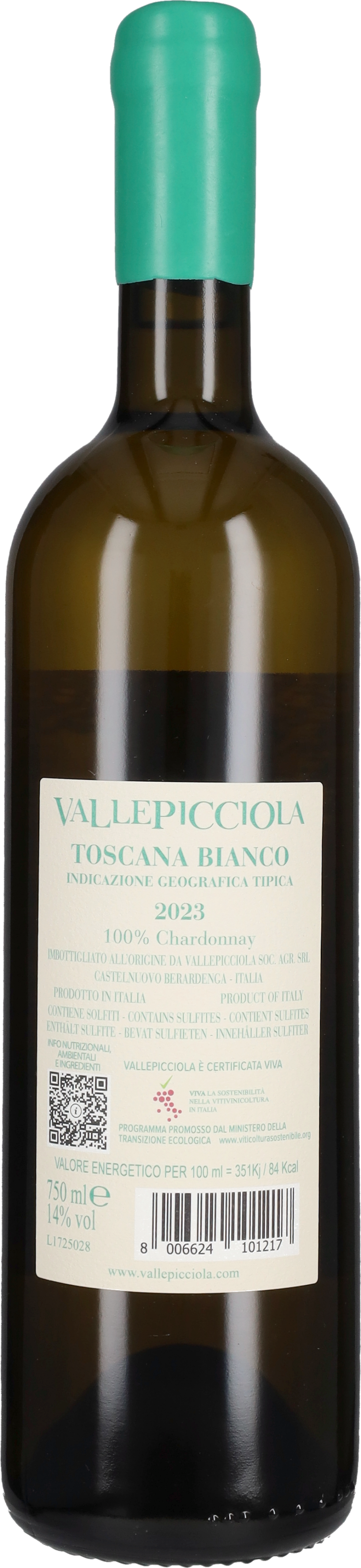

Similar search terms for Chardonnay-Vallepicciola-2023
Top-Angebote
Products related to Chardonnay-Vallepicciola-2023:
-
Chianti Classico Vallepicciola 2023The Chianti Classico from Vallepicciola is a Tuscan red wine whose class lies in its ability to bring to light the most typical traits of the denomination to which it belongs. The aroma of wilted violet, typical of Sangiovese, envelops a fruity and juicy nose, while on the palate flows a smooth sip, dominated by a pleasant tannic grip. A label that is born in light of the strong bond between the grape variety used and the territory, and which proposes itself as one of the most representative of the entire area. This Chianti Classico is born from the use of pure grapes of a variety that well represents the Tuscan wine potential in the world, Sangiovese. The VallePicciola winery cultivates it in vineyards located near Pievasciata and Castelnuovo Berardenga, about 400 meters above sea level. Here the terroir is characterized by a mainly calcareous and clayey subsoil. The must ferments in small steel tanks, at a controlled temperature, undergoing malolactic fermentation later, in French oak barrels. The final aging lasts for 12 months, and takes place in large barrels; at the end of this period, the wine is bottled and marketed. The Chianti Classico made by the Vallepicciola winery presents itself visually with a dense, concentrated, and deep ruby red color. Intense is the olfactory profile, which outlines a progression of fruity notes and wilted flowers, enriched by returns of aromatic herbs and sweet spices. On the palate, it is medium-bodied, elegant, equipped with a refined fresh sip, which sketches a tannin that is indeed important, but never at the expense of the overall harmony that reigns during tasting. A label that, precisely with this vintage, brings together the main critics in the sector, not only nationally.16,00 £*Shipping: 48,00 £Secure redirect to the provider
-
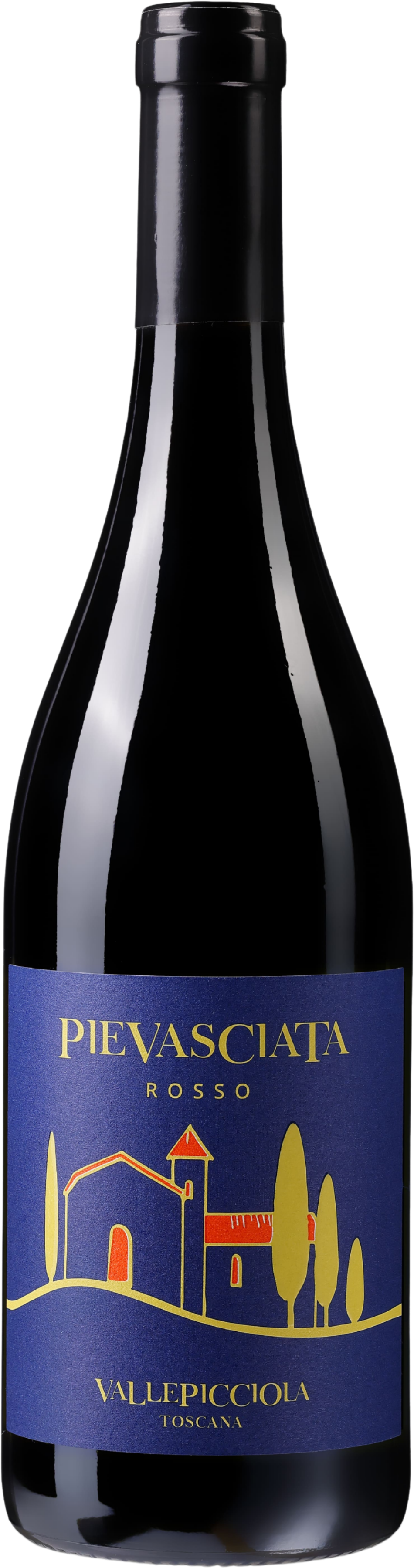
Rosso 'Pievasciata' Vallepicciola 2023The Pievasciata from Vallepicciola is a full-bodied and intense interpretation, yet easy to read, based on Cabernet Sauvignon, Cabernet Franc, and Sangiovese, born in the eponymous hamlet of the municipality of Castelnuovo Berardenga, hosting the winery and providing the vineyards with an optimal growing environment, characterized by a mild microclimate and the unmatched scenic charm. Here in the province of Siena, Vallepicciola extends over 265 hectares, of which 65 are dedicated to vineyards, with a plan to plant another 40 hectares by 2019, where various varieties are hosted, including the native Sangiovese, intended for Chianti Classico productions, and other international grape varieties such as Pinot Nero, Cabernet Sauvignon, Cabernet Franc, and Merlot. Specifically, the grapes of the Pievasciata from Vallepicciola are obtained from vineyards planted on soils rich in limestone and clay with the presence of galestro and alberese, which are the two geological compositions that characterize the soils of the Chianti Classico area from Siena to Florence. The vinification of the Pievasciata is characterized by an alcoholic fermentation that takes place in stainless steel tanks for about 8/10 days and is followed by malolactic fermentation in French oak barriques, where the wine remains to age for another 8-10 months. alcoholic that takes place in stainless steel tanks for about 8/10 days and is followed by malolactic fermentation in French oak barriques, where the wine remains to age for another 8-10 months. The Vallepicciola Pievasciata is an international wine interpretation of great body and intensity, characterized primarily by a particularly deep ruby red color, crossed by subtle violet reflections. On the nose, it releases its strength, with intense fruity hints of blackberries and raspberries in jam and dried plums, surrounded by balsamic and pleasantly spicy notes of cocoa and coffee. On the palate, it is rich and harmoniously structured and fully reflects the elegant power that characterizes it.14,00 £*Shipping: 48,00 £Secure redirect to the provider
-
"""Vallepicciola Chianti Classico 2023 Red Wine - Italy""""""Pale ruby red, typical of the variety. On the nose red forest fruits, such as currants but also plums, violets and violets, accompanied by the unmistakable spiciness attributable to black pepper. It goes perfectly with boards of cured meats and..."24,97 $*Shipping: 0,00 $Secure redirect to the provider
-
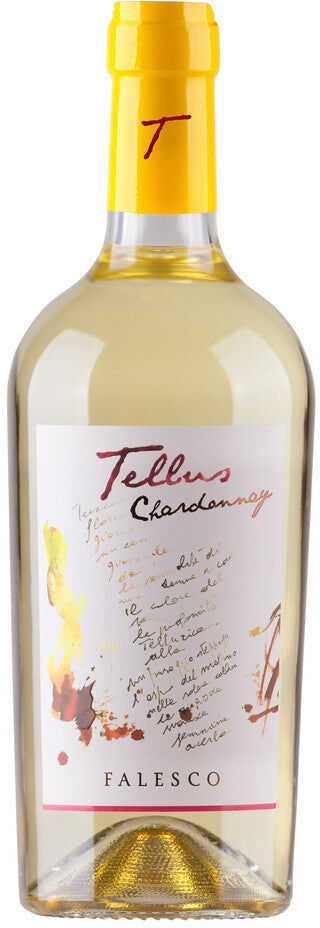
Chardonnay 'Tellus' Falesco 2023Lo Chardonnay “Tellus” di Falesco è un’interpretazione del celebre vitigno francese improntata alla semplicità, alla fragranza floreale e fruttata e alla scorrevolezza di beva. La vinificazione solo in acciaio sottolinea il desiderio di assecondare l’immediatezza espressiva delle delicate ed eleganti note varietali dell’uva. Un vino dal volto quotidiano e conviviale, che si abbina molto bene ad antipasti o piatti di pesce dal gusto semplice e non troppo elaborato. Il Falesco “Tellus” Chardonnay viene prodotto nella tenuta della famiglia Cotarella, che gestisce un podere nella zona di confine tra Umbria e Lazio. Una splendida area collinare che può vantare una tradizione antichissima nel campo della viticoltura, che risale ai tempi degli antichi Romani. Dalla stupenda collina di Montecchio a sud di Orvieto, la proprietà scende verso Montefiascone e il Lago di Bolsena, in provincia di Viterbo. I terreni presentano una composizione piuttosto eterogenea. Nella zona di Montefiascone sono ricchi di sabbie e di antiche componenti vulcaniche, mentre a Montecchio le terre sono di matrice calcareo-argillosa, con presenza di ciottoli bianchi. Le vigne di Chardonnay sono coltivate nel territorio comunale di Castiglione in Teverina a un’altitudine di 200 metri sul livello del mare. Le viti sono allevate a cordone speronato e sono vendemmiate nel corso della prima metà del mese di settembre. Dopo una breve criomacerazione, si procede alla pressatura soffice e alla fermentazione in acciaio a bassa temperatura per circa due settimane. Il vino riposa poi in vasche d’acciaio per alcuni mesi prima d’essere messo in commercio. Il bianco Chardonnay “Tellus” di Falesco è un vino fresco, un’interpretrazione da bere giovane per assaporare a pieno i suoi raffinati ed eleganti aromi. Il suo nome deriva dalla dea della terra Tellus, il cui culto veniva celebrato nell’Antica Roma il 15 aprile. Nel calice si presenta di colore giallo chiaro, brillante e luminoso. Il bouquet esprime profumi di floreali, aromi di cedro, agrumi, frutta bianca ed erbe aromatiche. Il sorso vivace si distende con ricchi aromi fruttati e con un finale sapido, fresco e piacevolmente gastronomico.10,00 £*Shipping: 48,00 £Secure redirect to the provider


-
Which do you prefer more, Chardonnay or Riesling?
As an AI, I do not have personal preferences. However, I can provide information on the characteristics of both wines. Chardonnay is known for its rich, buttery flavors with notes of vanilla and oak, while Riesling is typically more aromatic with flavors ranging from crisp and dry to sweet and fruity. Ultimately, the choice between Chardonnay and Riesling depends on individual taste preferences and the occasion. **
-
What is Chardonnay? Is it a sweet wine?
Chardonnay is a green-skinned grape variety used to make white wine. It is one of the most popular and widely planted grape varieties in the world, known for its versatility and ability to reflect its terroir. Chardonnay wines can range from crisp and light to rich and full-bodied, and can be either dry or slightly sweet, depending on the winemaking style. While some Chardonnay wines may have a hint of sweetness, the majority of Chardonnay wines are dry. **
-
What can you mix with dry Chardonnay wine?
Dry Chardonnay wine can be mixed with a variety of ingredients to create delicious cocktails. You can mix it with fresh fruit juices like lemon, lime, or pineapple juice to create a refreshing Chardonnay spritzer. It also pairs well with sparkling water or club soda for a light and bubbly drink. Additionally, you can mix Chardonnay with a splash of elderflower liqueur or a bit of honey for a touch of sweetness. **
-
What is the difference between organic and eco-friendly products?
Organic products are made from ingredients that are grown without the use of synthetic pesticides, herbicides, or fertilizers, and are often certified by a regulatory body. Eco-friendly products, on the other hand, are designed to have minimal impact on the environment throughout their entire lifecycle, from production to disposal. While organic products focus on the natural ingredients used, eco-friendly products consider the overall environmental impact of the product. In essence, organic products focus on the ingredients, while eco-friendly products focus on the entire product lifecycle. **

Is organic sustainable?
Organic farming practices can be more sustainable than conventional methods in terms of reducing chemical inputs, promoting biodiversity, and improving soil health. However, there are challenges to the scalability and efficiency of organic farming, which can impact its overall sustainability. For example, organic farming typically requires more land and labor to produce the same amount of food as conventional methods, which can limit its ability to meet global food demand. Additionally, the transportation and distribution of organic products can have a higher environmental impact due to their shorter shelf life and the need for refrigeration. Overall, while organic farming has many sustainable benefits, there are also limitations to its long-term sustainability on a large scale. **
Why don't eco-friendly women shave?
Eco-friendly women may choose not to shave for a variety of reasons related to sustainability and environmental impact. Shaving requires the use of disposable razors, which contribute to plastic waste in landfills. Additionally, the production and transportation of shaving products can have a significant carbon footprint. By opting not to shave, eco-friendly women can reduce their personal contribution to waste and carbon emissions, aligning with their values of environmental conservation. **
Top-Angebote
Products related to Chardonnay-Vallepicciola-2023:
-
Chardonnay 'Pievasciata' Vallepicciola 2024Bianco 'Pievasciata' Vallepicciola is a pure Chardonnay, born in the heart of the hilly Chianti Classico area, a few kilometres from the city of Siena. The land, particularly suited for viticulture, proved to be very suitable for the famous white wine from Burgundy. It is a version of Chardonnay with a young face and an immediate expression, vinified entirely in steel, precisely to preserve the best varietal characteristics of the vine and its elegant floral and fruity notes, which have made it one of the best known and best loved varieties in the world.Chardonnay 'Pievasciata' is produced in the vineyards of the Vallepicciola estate, located near Castelnuovo Berardenga, in one of the most historic and traditional areas of Chianti Classico. The project began in the early 1980s with just a few hectares of vines, which in the course of a few decades grew to 265 hectares, about a third of which are dedicated to the cultivation of vines. In addition to Sangiovese, the estate includes Pinot Noir, Petit Verdot, Cabernet Sauvignon and Chardonnay. The soils present a certain heterogeneity, depending on the various zones, and are mainly composed of clay marl, tuff, sandstone and sand. The climate, cool and ventilated, is perfect for allowing the Chardonnay grapes to ripen slowly and perfectly. The wines are the result of careful work in the vineyard and delicate vinification that respects the qualities of a great raw material.'Pievasciata' Chardonnay from the Tuscan winery Vallepicciola is a white wine with a refined and delicately fruity character. The vineyards are cultivated at an altitude between 380 and 420 metres above sea level, on clay-limestone soils rich in marl and limestone. Fermentation takes place in temperature-controlled steel tanks. The wine matures 3 months in steel and completes its refinement with 3 months in the bottle before release. It has a bright and brilliant straw yellow colour. The bouquet expresses aromas of white flowers, chamomile, yellow-fleshed fruit and citrus fruits. The sip is refined and delicate, with a juicy centre of mouth and a finish of harmonious freshness.11,00 £*Shipping: 48,00 £Secure redirect to the provider
-
Chianti Classico Vallepicciola 2023The Chianti Classico from Vallepicciola is a Tuscan red wine whose class lies in its ability to bring to light the most typical traits of the denomination to which it belongs. The aroma of wilted violet, typical of Sangiovese, envelops a fruity and juicy nose, while on the palate flows a smooth sip, dominated by a pleasant tannic grip. A label that is born in light of the strong bond between the grape variety used and the territory, and which proposes itself as one of the most representative of the entire area. This Chianti Classico is born from the use of pure grapes of a variety that well represents the Tuscan wine potential in the world, Sangiovese. The VallePicciola winery cultivates it in vineyards located near Pievasciata and Castelnuovo Berardenga, about 400 meters above sea level. Here the terroir is characterized by a mainly calcareous and clayey subsoil. The must ferments in small steel tanks, at a controlled temperature, undergoing malolactic fermentation later, in French oak barrels. The final aging lasts for 12 months, and takes place in large barrels; at the end of this period, the wine is bottled and marketed. The Chianti Classico made by the Vallepicciola winery presents itself visually with a dense, concentrated, and deep ruby red color. Intense is the olfactory profile, which outlines a progression of fruity notes and wilted flowers, enriched by returns of aromatic herbs and sweet spices. On the palate, it is medium-bodied, elegant, equipped with a refined fresh sip, which sketches a tannin that is indeed important, but never at the expense of the overall harmony that reigns during tasting. A label that, precisely with this vintage, brings together the main critics in the sector, not only nationally.16,00 £*Shipping: 48,00 £Secure redirect to the provider
-
Rosso 'Pievasciata' Vallepicciola 2023The Pievasciata from Vallepicciola is a full-bodied and intense interpretation, yet easy to read, based on Cabernet Sauvignon, Cabernet Franc, and Sangiovese, born in the eponymous hamlet of the municipality of Castelnuovo Berardenga, hosting the winery and providing the vineyards with an optimal growing environment, characterized by a mild microclimate and the unmatched scenic charm. Here in the province of Siena, Vallepicciola extends over 265 hectares, of which 65 are dedicated to vineyards, with a plan to plant another 40 hectares by 2019, where various varieties are hosted, including the native Sangiovese, intended for Chianti Classico productions, and other international grape varieties such as Pinot Nero, Cabernet Sauvignon, Cabernet Franc, and Merlot. Specifically, the grapes of the Pievasciata from Vallepicciola are obtained from vineyards planted on soils rich in limestone and clay with the presence of galestro and alberese, which are the two geological compositions that characterize the soils of the Chianti Classico area from Siena to Florence. The vinification of the Pievasciata is characterized by an alcoholic fermentation that takes place in stainless steel tanks for about 8/10 days and is followed by malolactic fermentation in French oak barriques, where the wine remains to age for another 8-10 months. alcoholic that takes place in stainless steel tanks for about 8/10 days and is followed by malolactic fermentation in French oak barriques, where the wine remains to age for another 8-10 months. The Vallepicciola Pievasciata is an international wine interpretation of great body and intensity, characterized primarily by a particularly deep ruby red color, crossed by subtle violet reflections. On the nose, it releases its strength, with intense fruity hints of blackberries and raspberries in jam and dried plums, surrounded by balsamic and pleasantly spicy notes of cocoa and coffee. On the palate, it is rich and harmoniously structured and fully reflects the elegant power that characterizes it.14,00 £*Shipping: 48,00 £Secure redirect to the provider
-
How long does a Chardonnay Brut last?
Chardonnay Brut typically has a shelf life of 3-5 years if stored properly. It is best enjoyed within the first 1-2 years to fully appreciate its fresh and fruity flavors. However, some higher quality Chardonnay Brut wines can age gracefully for up to 5 years, developing more complex and toasty characteristics. It is important to store the wine in a cool, dark place and away from any strong odors to ensure it lasts as long as possible. **
-
Is the Chardonnay Auslese from 1995 still drinkable?
The Chardonnay Auslese from 1995 may still be drinkable depending on how it has been stored. Auslese wines are typically sweet and can age well due to their high sugar content. However, it is important to note that white wines generally do not age as well as red wines, so there is a chance that the Chardonnay Auslese from 1995 may have lost some of its freshness and complexity over time. It is recommended to taste a small amount before serving to ensure it is still enjoyable. **
-
Which do you prefer more, Chardonnay or Riesling?
As an AI, I do not have personal preferences. However, I can provide information on the characteristics of both wines. Chardonnay is known for its rich, buttery flavors with notes of vanilla and oak, while Riesling is typically more aromatic with flavors ranging from crisp and dry to sweet and fruity. Ultimately, the choice between Chardonnay and Riesling depends on individual taste preferences and the occasion. **
-
What is Chardonnay? Is it a sweet wine?
Chardonnay is a green-skinned grape variety used to make white wine. It is one of the most popular and widely planted grape varieties in the world, known for its versatility and ability to reflect its terroir. Chardonnay wines can range from crisp and light to rich and full-bodied, and can be either dry or slightly sweet, depending on the winemaking style. While some Chardonnay wines may have a hint of sweetness, the majority of Chardonnay wines are dry. **
Similar search terms for Chardonnay-Vallepicciola-2023
-
"""Vallepicciola Chianti Classico 2023 Red Wine - Italy""""""Pale ruby red, typical of the variety. On the nose red forest fruits, such as currants but also plums, violets and violets, accompanied by the unmistakable spiciness attributable to black pepper. It goes perfectly with boards of cured meats and..."24,97 $*Shipping: 0,00 $Secure redirect to the provider
-
Chardonnay 'Tellus' Falesco 2023Lo Chardonnay “Tellus” di Falesco è un’interpretazione del celebre vitigno francese improntata alla semplicità, alla fragranza floreale e fruttata e alla scorrevolezza di beva. La vinificazione solo in acciaio sottolinea il desiderio di assecondare l’immediatezza espressiva delle delicate ed eleganti note varietali dell’uva. Un vino dal volto quotidiano e conviviale, che si abbina molto bene ad antipasti o piatti di pesce dal gusto semplice e non troppo elaborato. Il Falesco “Tellus” Chardonnay viene prodotto nella tenuta della famiglia Cotarella, che gestisce un podere nella zona di confine tra Umbria e Lazio. Una splendida area collinare che può vantare una tradizione antichissima nel campo della viticoltura, che risale ai tempi degli antichi Romani. Dalla stupenda collina di Montecchio a sud di Orvieto, la proprietà scende verso Montefiascone e il Lago di Bolsena, in provincia di Viterbo. I terreni presentano una composizione piuttosto eterogenea. Nella zona di Montefiascone sono ricchi di sabbie e di antiche componenti vulcaniche, mentre a Montecchio le terre sono di matrice calcareo-argillosa, con presenza di ciottoli bianchi. Le vigne di Chardonnay sono coltivate nel territorio comunale di Castiglione in Teverina a un’altitudine di 200 metri sul livello del mare. Le viti sono allevate a cordone speronato e sono vendemmiate nel corso della prima metà del mese di settembre. Dopo una breve criomacerazione, si procede alla pressatura soffice e alla fermentazione in acciaio a bassa temperatura per circa due settimane. Il vino riposa poi in vasche d’acciaio per alcuni mesi prima d’essere messo in commercio. Il bianco Chardonnay “Tellus” di Falesco è un vino fresco, un’interpretrazione da bere giovane per assaporare a pieno i suoi raffinati ed eleganti aromi. Il suo nome deriva dalla dea della terra Tellus, il cui culto veniva celebrato nell’Antica Roma il 15 aprile. Nel calice si presenta di colore giallo chiaro, brillante e luminoso. Il bouquet esprime profumi di floreali, aromi di cedro, agrumi, frutta bianca ed erbe aromatiche. Il sorso vivace si distende con ricchi aromi fruttati e con un finale sapido, fresco e piacevolmente gastronomico.10,00 £*Shipping: 48,00 £Secure redirect to the provider
-
Chardonnay 'Chiarandà' Donnafugata 2023The Chardonnay “Chiarandà” by Donnafugata is a Sicilian wine that originates in the context of a family-run winery with over a century of experience in the world of winemaking. The activity began in 1851 with the Rallo family, who decided to follow their passion for wine, following in the footsteps of English entrepreneurs. From generation to generation, the culture and experience have been passed down, reaching 1983 when Giacomo Rallo made the winery the beating heart of the wine industry: he represents the fourth generation at work and, with the help of his wife Gabriella, has been able to look to the future, expanding production and increasing the quality of the products. Today, it is the children José and Antonio who carry on the family business, maintaining the tradition and environmental sustainability. The vineyards of Chardonnay “Chiarandà” by Donnafugata are located in the southwestern part, an excellent position for the sun's rays to consistently hit the rows, ensuring perfect ripeningthe end of the bunches. The climate here is Mediterranean with rainfall mainly in autumn and winter, while in summer the temperatures are high, dry with a significant presence of winds; also important is the strong temperature variation between day and night. The altitude is between 200 and 600 meters above sea level and the soil is clayey with sub-alkaline concentration for wines with a character structure. The harvest is conducted manually in the early hours of the morning when the bunches have a lower temperature, thus reducing energy consumption. The alcoholic fermentation takes place in steel. It ages for 8 months on noble lees, part in oak and part in cement tanks; it rests in the bottle for 12 months.To the eye, the Chardonnay “Chiarandà” by Donnafugata is straw yellow with brilliant reflections; the bouquet of aromas is intense and complex and recalls citrus and lemon zest, ginger, floral notes of broom and dried fruits like toasted hazelnuts. On the palate, it is structured, broad, and pleasant with a savory and mineral finish that31,00 £*Shipping: 48,00 £Secure redirect to the provider
-
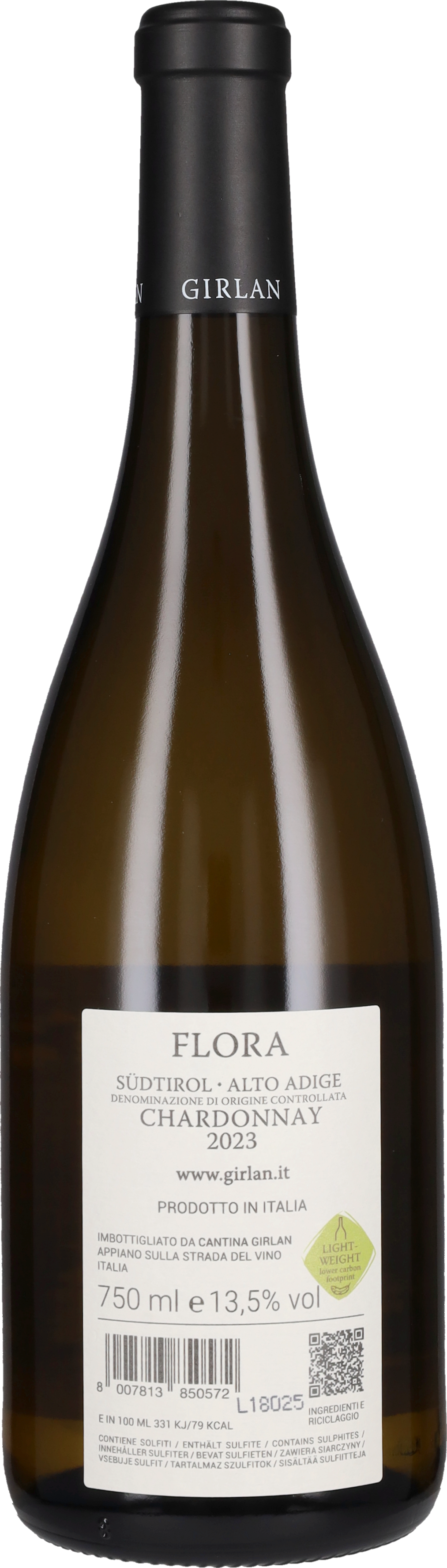
Chardonnay 'Flora' Girlan 2023The Chardonnay 'Flora' by Girlan represents a bottle from Alto Adige capable of delighting the senses with its refined mineral vein. This Chardonnay belongs to the 'Flora' line, a selection that encompasses fine wines resulting from strict quality controls, coming from the best production areas of Oltradige and Lower Atesina. The name is a tribute to Paul Flora, an Alto Adige artist who illustrated the labels. Alongside Pinot Grigio, Gewürztraminer, and Pinot Bianco, Chardonnay is the most widespread white grape variety in Alto Adige, an alpine territory where it has found an exceptional habitat that enhances its freshness and aromas. Girlan 'Flora' Chardonnay is a pure expression of the eponymous Burgundy-origin grape grown on the hills of Oltradige, at altitudes between 450 and 500 meters. The vineyards, aged between 15 and 20 years, are rooted in morainic soils rich in minerals. The harvest is carried out by hand in small crates, and after soft pressing, the must is left to settle naturally.Whole bunch the must is left to settle naturally. The subsequent alcoholic fermentation takes place in French oak barrels of 12 and 15 hectoliters, followed by the complete malolactic fermentation. Subsequently, the wine is subjected to 12 months of maturation on the lees in oak barrels and a further 6 months of aging in the bottle before being released on the market. The ‘Flora’ Chardonnay from the Alto Adige winery Girlan is an intense straw yellow color with golden highlights. Complex and mineral aromatic bouquet, defined by scents of golden apple, ripe yellow fruit, citrus, white flowers, and spices. Structured, full, and balanced on the palate, with notable roundness and elegance, and a long persistence of the sensations perceived on the nose.24,00 £*Shipping: 48,00 £Secure redirect to the provider
-
What can you mix with dry Chardonnay wine?
Dry Chardonnay wine can be mixed with a variety of ingredients to create delicious cocktails. You can mix it with fresh fruit juices like lemon, lime, or pineapple juice to create a refreshing Chardonnay spritzer. It also pairs well with sparkling water or club soda for a light and bubbly drink. Additionally, you can mix Chardonnay with a splash of elderflower liqueur or a bit of honey for a touch of sweetness. **
-
What is the difference between organic and eco-friendly products?
Organic products are made from ingredients that are grown without the use of synthetic pesticides, herbicides, or fertilizers, and are often certified by a regulatory body. Eco-friendly products, on the other hand, are designed to have minimal impact on the environment throughout their entire lifecycle, from production to disposal. While organic products focus on the natural ingredients used, eco-friendly products consider the overall environmental impact of the product. In essence, organic products focus on the ingredients, while eco-friendly products focus on the entire product lifecycle. **
-
Is organic sustainable?
Organic farming practices can be more sustainable than conventional methods in terms of reducing chemical inputs, promoting biodiversity, and improving soil health. However, there are challenges to the scalability and efficiency of organic farming, which can impact its overall sustainability. For example, organic farming typically requires more land and labor to produce the same amount of food as conventional methods, which can limit its ability to meet global food demand. Additionally, the transportation and distribution of organic products can have a higher environmental impact due to their shorter shelf life and the need for refrigeration. Overall, while organic farming has many sustainable benefits, there are also limitations to its long-term sustainability on a large scale. **
-
Why don't eco-friendly women shave?
Eco-friendly women may choose not to shave for a variety of reasons related to sustainability and environmental impact. Shaving requires the use of disposable razors, which contribute to plastic waste in landfills. Additionally, the production and transportation of shaving products can have a significant carbon footprint. By opting not to shave, eco-friendly women can reduce their personal contribution to waste and carbon emissions, aligning with their values of environmental conservation. **
* All prices are inclusive of VAT and, if applicable, plus shipping costs. The offer information is based on the details provided by the respective shop and is updated through automated processes. Real-time updates do not occur, so deviations can occur in individual cases. ** Note: Parts of this content were created by AI.