Buy ahorarepublicas.eu ?
We are moving the project
ahorarepublicas.eu .
Are you interested in purchasing the domain
ahorarepublicas.eu ?
domain@kv-gmbh.de · 0541-91531010
Buy ahorarepublicas.eu ?
What filters best, ash, charcoal, or activated charcoal?
Activated charcoal is the best filter among the three options. It has a larger surface area and more porous structure, allowing it to effectively trap and remove impurities from air and water. Ash and regular charcoal may also have some filtering properties, but they are not as effective as activated charcoal. Therefore, when it comes to filtering, activated charcoal is the superior choice. **
Who produces charcoal?
Charcoal is typically produced by burning wood in a low-oxygen environment, a process known as pyrolysis. This can be done on a small scale by individuals for personal use or on a larger scale by commercial operations. Charcoal is also produced as a byproduct of other industries, such as the production of steel or sugar. **


Similar search terms for Charcoal
Top-Angebote
Products related to Charcoal:
-
Superior Eco-Friendly Sustainable Cotton 12-Piece Bathroom Towel SetMade with incredibly soft recycled cotton, the Eco-Friendly Sustainable Cotton Bathroom Towel Set is the perfect green addition to any bathroom space. Our sustainable Cotton towels are lightweight to get you dry quickly after a shower or bath.62,31 $*Shipping: 0,00 $Secure redirect to the provider
-
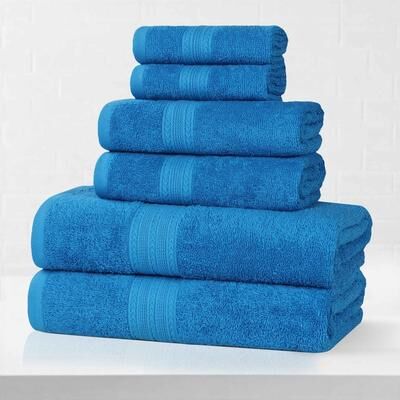
Superior Eco-Friendly Sustainable Cotton 6-Piece Bathroom Towel SetMade with incredibly soft recycled cotton, the Eco-Friendly Sustainable Cotton Bathroom Towel Set is the perfect green addition to any bathroom space. Our sustainable Cotton towels have a lightweight to get you dry quickly after a shower or bath.43,64 $*Shipping: 0,00 $Secure redirect to the provider
-
"TIMELESS Organic Cotton Napkins - Handmade, Fair Trade, Eco-Dyed by Sustainable Threads - 20""x20"" (Set of 2)"TIMELESS Collection Handwoven Organic Cotton Napkins - Set of 2 Classic and enduring, these yarn-dyed, handwoven napkins are crafted from indigenous, drought-resistant organic cotton using traditional handspun and botanical dye methods.64,00 $*Shipping: 0,00 $Secure redirect to the provider



-
Is charcoal dangerous?
Charcoal itself is not inherently dangerous, but it can pose risks if not used properly. When burned, charcoal produces carbon monoxide, a colorless, odorless gas that can be harmful or even deadly if inhaled in high concentrations. Therefore, it is important to always use charcoal in a well-ventilated area to prevent the buildup of carbon monoxide. Additionally, ingesting charcoal can be dangerous and should be avoided. Overall, when used safely and responsibly, charcoal can be a useful and effective fuel source for cooking and heating. **
-
Is it possible to use charcoal instead of activated charcoal?
While charcoal and activated charcoal may look similar, they are not the same. Activated charcoal has been specially treated to increase its surface area and make it more porous, which enhances its ability to adsorb toxins and impurities. Regular charcoal, on the other hand, may not have the same adsorption capabilities. Therefore, it is not recommended to use regular charcoal as a substitute for activated charcoal in medical or purification applications. **
-
What is the difference between organic and eco-friendly products?
Organic products are made from ingredients that are grown without the use of synthetic pesticides, herbicides, or fertilizers, and are often certified by a regulatory body. Eco-friendly products, on the other hand, are designed to have minimal impact on the environment throughout their entire lifecycle, from production to disposal. While organic products focus on the natural ingredients used, eco-friendly products consider the overall environmental impact of the product. In essence, organic products focus on the ingredients, while eco-friendly products focus on the entire product lifecycle. **
-
Where is charcoal produced?
Charcoal is produced through a process called pyrolysis, which involves heating wood, coconut shells, or other organic materials in the absence of oxygen. This process can be carried out in traditional kilns or modern industrial retorts. Charcoal production is commonly found in areas with abundant sources of wood or coconut shells, such as forests, plantations, or rural areas. **


Can you eat charcoal?
While charcoal is not meant to be consumed, there are certain types of activated charcoal that are safe for consumption in small amounts. Activated charcoal is sometimes used in emergency situations to treat certain types of poisoning or overdose. However, it is important to note that consuming charcoal regularly or in large amounts can be harmful and interfere with the absorption of nutrients in the body. It is always best to consult with a healthcare professional before consuming charcoal for any purpose. **
Is activated charcoal dangerous?
Activated charcoal is generally considered safe when used in appropriate amounts for short periods of time. However, it can be dangerous if consumed in large quantities or over long periods, as it can interfere with the absorption of nutrients and medications. Additionally, inhaling activated charcoal dust can cause lung irritation. It's important to use activated charcoal under the guidance of a healthcare professional and to follow the recommended dosage and usage instructions. **
Top-Angebote
Products related to Charcoal:
-
"SHORELINE Napkins - Handmade Organic Cotton, Fair Trade, Eco-Dyed Artisan-Made by Sustainable Threads 20""x20"" (Set of 2)"SHORELINE Handwoven Organic Cotton Napkins Naturally elegant and thoughtfully crafted, the Shoreline napkins are woven from indigenous, drought-resistant organic cotton using traditional handspun yarns and botanical dyes.46,00 $*Shipping: 0,00 $Secure redirect to the provider
-
"TIMELESS Organic Cotton Napkins - Handmade, Fair Trade, Eco-Dyed by Sustainable Threads - 20""x20"" (Set of 2)"TIMELESS Collection Handwoven Organic Cotton Napkins - Set of 2 Classic and enduring, these yarn-dyed, handwoven napkins are crafted from indigenous, drought-resistant organic cotton using traditional handspun and botanical dye methods.64,00 $*Shipping: 0,00 $Secure redirect to the provider
-
Superior Eco-Friendly Sustainable Cotton 12-Piece Bathroom Towel SetMade with incredibly soft recycled cotton, the Eco-Friendly Sustainable Cotton Bathroom Towel Set is the perfect green addition to any bathroom space. Our sustainable Cotton towels are lightweight to get you dry quickly after a shower or bath.62,31 $*Shipping: 0,00 $Secure redirect to the provider
-
Superior Eco-Friendly Sustainable Cotton 6-Piece Bathroom Towel SetMade with incredibly soft recycled cotton, the Eco-Friendly Sustainable Cotton Bathroom Towel Set is the perfect green addition to any bathroom space. Our sustainable Cotton towels have a lightweight to get you dry quickly after a shower or bath.43,64 $*Shipping: 0,00 $Secure redirect to the provider
-
What filters best, ash, charcoal, or activated charcoal?
Activated charcoal is the best filter among the three options. It has a larger surface area and more porous structure, allowing it to effectively trap and remove impurities from air and water. Ash and regular charcoal may also have some filtering properties, but they are not as effective as activated charcoal. Therefore, when it comes to filtering, activated charcoal is the superior choice. **
-
Who produces charcoal?
Charcoal is typically produced by burning wood in a low-oxygen environment, a process known as pyrolysis. This can be done on a small scale by individuals for personal use or on a larger scale by commercial operations. Charcoal is also produced as a byproduct of other industries, such as the production of steel or sugar. **
-
Is charcoal dangerous?
Charcoal itself is not inherently dangerous, but it can pose risks if not used properly. When burned, charcoal produces carbon monoxide, a colorless, odorless gas that can be harmful or even deadly if inhaled in high concentrations. Therefore, it is important to always use charcoal in a well-ventilated area to prevent the buildup of carbon monoxide. Additionally, ingesting charcoal can be dangerous and should be avoided. Overall, when used safely and responsibly, charcoal can be a useful and effective fuel source for cooking and heating. **
-
Is it possible to use charcoal instead of activated charcoal?
While charcoal and activated charcoal may look similar, they are not the same. Activated charcoal has been specially treated to increase its surface area and make it more porous, which enhances its ability to adsorb toxins and impurities. Regular charcoal, on the other hand, may not have the same adsorption capabilities. Therefore, it is not recommended to use regular charcoal as a substitute for activated charcoal in medical or purification applications. **
Similar search terms for Charcoal
-
"TIMELESS Organic Cotton Napkins - Handmade, Fair Trade, Eco-Dyed by Sustainable Threads - 20""x20"" (Set of 2)"TIMELESS Collection Handwoven Organic Cotton Napkins - Set of 2 Classic and enduring, these yarn-dyed, handwoven napkins are crafted from indigenous, drought-resistant organic cotton using traditional handspun and botanical dye methods.64,00 $*Shipping: 0,00 $Secure redirect to the provider
-
Superior Eco-Friendly Sustainable Cotton 12-Piece Bathroom Towel SetMade with incredibly soft recycled cotton, the Eco-Friendly Sustainable Cotton Bathroom Towel Set is the perfect green addition to any bathroom space. Our sustainable Cotton towels are lightweight to get you dry quickly after a shower or bath.78,56 $*Shipping: 0,00 $Secure redirect to the provider
-
What is the difference between organic and eco-friendly products?
Organic products are made from ingredients that are grown without the use of synthetic pesticides, herbicides, or fertilizers, and are often certified by a regulatory body. Eco-friendly products, on the other hand, are designed to have minimal impact on the environment throughout their entire lifecycle, from production to disposal. While organic products focus on the natural ingredients used, eco-friendly products consider the overall environmental impact of the product. In essence, organic products focus on the ingredients, while eco-friendly products focus on the entire product lifecycle. **
-
Where is charcoal produced?
Charcoal is produced through a process called pyrolysis, which involves heating wood, coconut shells, or other organic materials in the absence of oxygen. This process can be carried out in traditional kilns or modern industrial retorts. Charcoal production is commonly found in areas with abundant sources of wood or coconut shells, such as forests, plantations, or rural areas. **
-
Can you eat charcoal?
While charcoal is not meant to be consumed, there are certain types of activated charcoal that are safe for consumption in small amounts. Activated charcoal is sometimes used in emergency situations to treat certain types of poisoning or overdose. However, it is important to note that consuming charcoal regularly or in large amounts can be harmful and interfere with the absorption of nutrients in the body. It is always best to consult with a healthcare professional before consuming charcoal for any purpose. **
-
Is activated charcoal dangerous?
Activated charcoal is generally considered safe when used in appropriate amounts for short periods of time. However, it can be dangerous if consumed in large quantities or over long periods, as it can interfere with the absorption of nutrients and medications. Additionally, inhaling activated charcoal dust can cause lung irritation. It's important to use activated charcoal under the guidance of a healthcare professional and to follow the recommended dosage and usage instructions. **
* All prices are inclusive of VAT and, if applicable, plus shipping costs. The offer information is based on the details provided by the respective shop and is updated through automated processes. Real-time updates do not occur, so deviations can occur in individual cases. ** Note: Parts of this content were created by AI.