Buy ahorarepublicas.eu ?
We are moving the project
ahorarepublicas.eu .
Are you interested in purchasing the domain
ahorarepublicas.eu ?
domain@kv-gmbh.de · 0541-91531010
Buy ahorarepublicas.eu ?
What is the difference between organic and eco-friendly products?
Organic products are made from ingredients that are grown without the use of synthetic pesticides, herbicides, or fertilizers, and are often certified by a regulatory body. Eco-friendly products, on the other hand, are designed to have minimal impact on the environment throughout their entire lifecycle, from production to disposal. While organic products focus on the natural ingredients used, eco-friendly products consider the overall environmental impact of the product. In essence, organic products focus on the ingredients, while eco-friendly products focus on the entire product lifecycle. **
Does gilded bronze tarnish?
Yes, gilded bronze can tarnish over time due to exposure to air and moisture. The thin layer of gold plating on the bronze can wear off, exposing the bronze underneath to oxidation, which causes tarnishing. To prevent tarnishing, it is important to clean and maintain gilded bronze objects regularly and store them in a dry, controlled environment. **


Similar search terms for Bronze
Top-Angebote
Products related to Bronze:
-
"TIMELESS Organic Cotton Napkins - Handmade, Fair Trade, Eco-Dyed by Sustainable Threads - 20""x20"" (Set of 2)"TIMELESS Collection Handwoven Organic Cotton Napkins - Set of 2 Classic and enduring, these yarn-dyed, handwoven napkins are crafted from indigenous, drought-resistant organic cotton using traditional handspun and botanical dye methods.64,00 $*Shipping: 0,00 $Secure redirect to the provider
-
"ON TRACK Napkins - Handmade Organic Cotton by Sustainable Threads Fair Trade Eco-Dyed - 20""x20"" (Set of 2)"ON TRACK Handwoven Organic Cotton Napkins Modern and purposeful, these yarn-dyed, handwoven napkins are made from indigenous, drought-resistant organic cotton dyed with botanical materials and crafted using traditional handspun weaving techniques.48,00 $*Shipping: 0,00 $Secure redirect to the provider
-
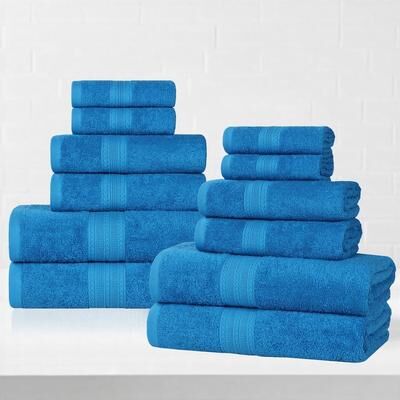
Superior Eco-Friendly Sustainable Cotton 12-Piece Bathroom Towel SetMade with incredibly soft recycled cotton, the Eco-Friendly Sustainable Cotton Bathroom Towel Set is the perfect green addition to any bathroom space. Our sustainable Cotton towels are lightweight to get you dry quickly after a shower or bath.75,83 $*Shipping: 0,00 $Secure redirect to the provider
-
"TIMELESS Organic Cotton Napkins - Handmade, Fair Trade, Eco-Dyed by Sustainable Threads - 20""x20"" (Set of 2)"TIMELESS Collection Handwoven Organic Cotton Napkins - Set of 2 Classic and enduring, these yarn-dyed, handwoven napkins are crafted from indigenous, drought-resistant organic cotton using traditional handspun and botanical dye methods.64,00 $*Shipping: 0,00 $Secure redirect to the provider



-
Does gilded bronze discolor?
Yes, gilded bronze can discolor over time due to a variety of factors such as exposure to air, moisture, and chemicals. The gilding on bronze can tarnish or develop a patina, which can change its color and appearance. To prevent discoloration, it is important to properly clean and maintain gilded bronze objects regularly. **
-
Why is bronze red?
Bronze appears red because of the presence of copper in its composition. Copper is a metal that has a reddish-brown color, and when it is mixed with other metals such as tin to create bronze, it imparts a reddish hue to the alloy. The amount of copper in the bronze mixture can also affect the shade of red that is produced. **
-
How is bronze made?
Bronze is made by combining copper and tin in a specific ratio, typically around 90% copper and 10% tin. The two metals are melted together at high temperatures, usually around 1,700 degrees Fahrenheit, and then poured into a mold to cool and solidify. Once the bronze has cooled, it can be further shaped and refined through processes such as casting, forging, or machining. Bronze has been used for thousands of years due to its strength, durability, and ability to hold intricate details, making it a popular material for sculptures, tools, and decorative objects. **
-
Why does bronze rust?
Bronze rusts due to a process called oxidation, where the metal reacts with oxygen in the air or water. This reaction forms a layer of copper oxide on the surface of the bronze, giving it a greenish or brownish color. This layer of oxide can continue to grow and spread, eventually leading to the deterioration of the bronze if not properly maintained. Additionally, exposure to moisture and certain chemicals can accelerate the rusting process. **


Is organic sustainable?
Organic farming practices can be more sustainable than conventional methods in terms of reducing chemical inputs, promoting biodiversity, and improving soil health. However, there are challenges to the scalability and efficiency of organic farming, which can impact its overall sustainability. For example, organic farming typically requires more land and labor to produce the same amount of food as conventional methods, which can limit its ability to meet global food demand. Additionally, the transportation and distribution of organic products can have a higher environmental impact due to their shorter shelf life and the need for refrigeration. Overall, while organic farming has many sustainable benefits, there are also limitations to its long-term sustainability on a large scale. **
Is bronze heterogeneous or homogeneous?
Bronze is considered a heterogeneous mixture. This is because bronze is an alloy made up of copper and tin, which are two different elements. These elements are not uniformly distributed throughout the bronze, resulting in different regions with varying compositions. This makes bronze a heterogeneous material. **
Top-Angebote
Products related to Bronze:
-
"SHORELINE Napkins - Handmade Organic Cotton, Fair Trade, Eco-Dyed Artisan-Made by Sustainable Threads 20""x20"" (Set of 2)"SHORELINE Handwoven Organic Cotton Napkins Naturally elegant and thoughtfully crafted, the Shoreline napkins are woven from indigenous, drought-resistant organic cotton using traditional handspun yarns and botanical dyes.46,00 $*Shipping: 0,00 $Secure redirect to the provider
-
KitchenCuration Eco Friendly Silicone Bowl Lunch Box BronzeBringing soup food anywhere is challenging. It’s surely spilled, which will create a mess. The whole pot of soup will also go to waste. So, do you want to avoid this Simply get your hands at this EcoFriendly Silicone Bowl Lunch Box. The lid of this...35,97 $*Shipping: 0,00 $Secure redirect to the provider
-
"TIMELESS Organic Cotton Napkins - Handmade, Fair Trade, Eco-Dyed by Sustainable Threads - 20""x20"" (Set of 2)"TIMELESS Collection Handwoven Organic Cotton Napkins - Set of 2 Classic and enduring, these yarn-dyed, handwoven napkins are crafted from indigenous, drought-resistant organic cotton using traditional handspun and botanical dye methods.64,00 $*Shipping: 0,00 $Secure redirect to the provider
-
"ON TRACK Napkins - Handmade Organic Cotton by Sustainable Threads Fair Trade Eco-Dyed - 20""x20"" (Set of 2)"ON TRACK Handwoven Organic Cotton Napkins Modern and purposeful, these yarn-dyed, handwoven napkins are made from indigenous, drought-resistant organic cotton dyed with botanical materials and crafted using traditional handspun weaving techniques.48,00 $*Shipping: 0,00 $Secure redirect to the provider
-
What is the difference between organic and eco-friendly products?
Organic products are made from ingredients that are grown without the use of synthetic pesticides, herbicides, or fertilizers, and are often certified by a regulatory body. Eco-friendly products, on the other hand, are designed to have minimal impact on the environment throughout their entire lifecycle, from production to disposal. While organic products focus on the natural ingredients used, eco-friendly products consider the overall environmental impact of the product. In essence, organic products focus on the ingredients, while eco-friendly products focus on the entire product lifecycle. **
-
Does gilded bronze tarnish?
Yes, gilded bronze can tarnish over time due to exposure to air and moisture. The thin layer of gold plating on the bronze can wear off, exposing the bronze underneath to oxidation, which causes tarnishing. To prevent tarnishing, it is important to clean and maintain gilded bronze objects regularly and store them in a dry, controlled environment. **
-
Does gilded bronze discolor?
Yes, gilded bronze can discolor over time due to a variety of factors such as exposure to air, moisture, and chemicals. The gilding on bronze can tarnish or develop a patina, which can change its color and appearance. To prevent discoloration, it is important to properly clean and maintain gilded bronze objects regularly. **
-
Why is bronze red?
Bronze appears red because of the presence of copper in its composition. Copper is a metal that has a reddish-brown color, and when it is mixed with other metals such as tin to create bronze, it imparts a reddish hue to the alloy. The amount of copper in the bronze mixture can also affect the shade of red that is produced. **
Similar search terms for Bronze
-
Superior Eco-Friendly Sustainable Cotton 12-Piece Bathroom Towel SetMade with incredibly soft recycled cotton, the Eco-Friendly Sustainable Cotton Bathroom Towel Set is the perfect green addition to any bathroom space. Our sustainable Cotton towels are lightweight to get you dry quickly after a shower or bath.75,83 $*Shipping: 0,00 $Secure redirect to the provider
-
"TIMELESS Organic Cotton Napkins - Handmade, Fair Trade, Eco-Dyed by Sustainable Threads - 20""x20"" (Set of 2)"TIMELESS Collection Handwoven Organic Cotton Napkins - Set of 2 Classic and enduring, these yarn-dyed, handwoven napkins are crafted from indigenous, drought-resistant organic cotton using traditional handspun and botanical dye methods.64,00 $*Shipping: 0,00 $Secure redirect to the provider
-
How is bronze made?
Bronze is made by combining copper and tin in a specific ratio, typically around 90% copper and 10% tin. The two metals are melted together at high temperatures, usually around 1,700 degrees Fahrenheit, and then poured into a mold to cool and solidify. Once the bronze has cooled, it can be further shaped and refined through processes such as casting, forging, or machining. Bronze has been used for thousands of years due to its strength, durability, and ability to hold intricate details, making it a popular material for sculptures, tools, and decorative objects. **
-
Why does bronze rust?
Bronze rusts due to a process called oxidation, where the metal reacts with oxygen in the air or water. This reaction forms a layer of copper oxide on the surface of the bronze, giving it a greenish or brownish color. This layer of oxide can continue to grow and spread, eventually leading to the deterioration of the bronze if not properly maintained. Additionally, exposure to moisture and certain chemicals can accelerate the rusting process. **
-
Is organic sustainable?
Organic farming practices can be more sustainable than conventional methods in terms of reducing chemical inputs, promoting biodiversity, and improving soil health. However, there are challenges to the scalability and efficiency of organic farming, which can impact its overall sustainability. For example, organic farming typically requires more land and labor to produce the same amount of food as conventional methods, which can limit its ability to meet global food demand. Additionally, the transportation and distribution of organic products can have a higher environmental impact due to their shorter shelf life and the need for refrigeration. Overall, while organic farming has many sustainable benefits, there are also limitations to its long-term sustainability on a large scale. **
-
Is bronze heterogeneous or homogeneous?
Bronze is considered a heterogeneous mixture. This is because bronze is an alloy made up of copper and tin, which are two different elements. These elements are not uniformly distributed throughout the bronze, resulting in different regions with varying compositions. This makes bronze a heterogeneous material. **
* All prices are inclusive of VAT and, if applicable, plus shipping costs. The offer information is based on the details provided by the respective shop and is updated through automated processes. Real-time updates do not occur, so deviations can occur in individual cases. ** Note: Parts of this content were created by AI.