Buy ahorarepublicas.eu ?
We are moving the project
ahorarepublicas.eu .
Are you interested in purchasing the domain
ahorarepublicas.eu ?
domain@kv-gmbh.de · 0541-91531010
Buy ahorarepublicas.eu ?
What are grass bales?
Grass bales are compacted bundles of dried grass that are commonly used as animal feed for livestock such as cattle, horses, and sheep. They are made by cutting and drying grass, then baling it into tight, manageable packages for storage and transportation. Grass bales are a convenient way to provide animals with a source of nutrition, especially during times when fresh grass is not readily available. **
What are hay bales?
Hay bales are compacted bundles of dried grasses or legumes, typically used as animal feed or bedding. They are created by cutting and drying the grasses in the field, then baling them into large, rectangular or cylindrical shapes for storage and transportation. Hay bales are a common sight in rural areas and are an important part of the agricultural industry for feeding livestock during the winter months when fresh forage is not available. **


Similar search terms for Bales
Top-Angebote
Products related to Bales:
-
Superior Eco-Friendly Sustainable Cotton 12-Piece Bathroom Towel SetMade with incredibly soft recycled cotton, the Eco-Friendly Sustainable Cotton Bathroom Towel Set is the perfect green addition to any bathroom space. Our sustainable Cotton towels are lightweight to get you dry quickly after a shower or bath.62,31 $*Shipping: 0,00 $Secure redirect to the provider
-
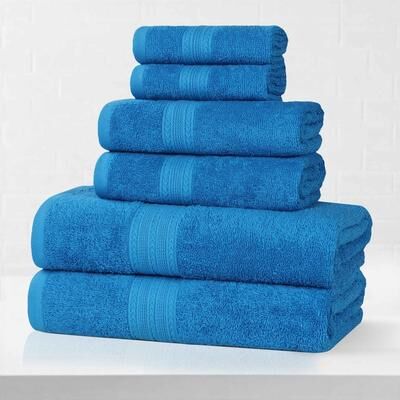
Superior Eco-Friendly Sustainable Cotton 6-Piece Bathroom Towel SetMade with incredibly soft recycled cotton, the Eco-Friendly Sustainable Cotton Bathroom Towel Set is the perfect green addition to any bathroom space. Our sustainable Cotton towels have a lightweight to get you dry quickly after a shower or bath.43,64 $*Shipping: 0,00 $Secure redirect to the provider
-
"TIMELESS Organic Cotton Napkins - Handmade, Fair Trade, Eco-Dyed by Sustainable Threads - 20""x20"" (Set of 2)"TIMELESS Collection Handwoven Organic Cotton Napkins - Set of 2 Classic and enduring, these yarn-dyed, handwoven napkins are crafted from indigenous, drought-resistant organic cotton using traditional handspun and botanical dye methods.64,00 $*Shipping: 0,00 $Secure redirect to the provider



-
What is the difference between hay bales and grass bales in FS 19?
In FS 19, hay bales are made from dried grass that has been cut and left to dry in the sun. These bales are used as animal feed and can be created using a hay baler. On the other hand, grass bales are made from fresh grass that has been cut and baled without drying. Grass bales are primarily used for silage production and can be created using a grass baler. The main difference between the two is the stage of grass at which they are baled and their intended use. **
-
How much hay does a horse eat in a month, round bales or HD bales?
The amount of hay a horse eats in a month can vary depending on the size and activity level of the horse, as well as the quality of the hay. On average, a horse can eat about 2% of its body weight in hay per day. For a 1,000-pound horse, this would be about 20 pounds of hay per day, or 600 pounds per month. This can be in the form of round bales or HD bales, but it's important to monitor the horse's body condition and adjust the amount of hay accordingly. **
-
How do you transport hay bales?
Hay bales can be transported using a variety of methods, depending on the quantity and distance. Small quantities can be loaded onto a trailer or truck bed and secured with straps or bungee cords. For larger quantities, a flatbed truck or tractor with a hay fork attachment can be used to stack and transport the bales. In some cases, hay can also be transported using specialized hay trailers or wagons designed for this purpose. It's important to ensure that the bales are securely loaded and properly balanced to prevent shifting or tipping during transport. **
-
Why are the clothes pressed into bales?
Clothes are pressed into bales for several reasons. First, it helps to save space during transportation and storage, allowing for more efficient shipping and handling. Second, pressing clothes into bales helps to protect them from damage and dirt during transit. Additionally, it makes it easier to handle and manage large quantities of clothing, especially in the recycling and second-hand clothing industries. Finally, baling clothes also helps to streamline the sorting and processing of different types of clothing for resale or recycling purposes. **


What are the differences between straw bales?
Straw bales can differ in several ways, including the type of straw used, the density of the bales, and the size of the bales. Different types of straw, such as wheat, rice, or barley straw, can be used to make straw bales, each with its own unique characteristics. The density of the bales can also vary, affecting their strength and insulation properties. Additionally, straw bales can come in different sizes, such as standard rectangular bales or larger round bales, which can impact their ease of handling and construction. **
How can one climb on straw bales?
To climb on straw bales, one should first ensure that the bales are stable and stacked securely. It is important to approach the bales from the side and use hands and feet to grip onto the straw for support. Slow and deliberate movements should be made to prevent the bales from shifting or toppling over. It is also advisable to have someone nearby for assistance or support in case of any accidents. **
Top-Angebote
Products related to Bales:
-
"SHORELINE Napkins - Handmade Organic Cotton, Fair Trade, Eco-Dyed Artisan-Made by Sustainable Threads 20""x20"" (Set of 2)"SHORELINE Handwoven Organic Cotton Napkins Naturally elegant and thoughtfully crafted, the Shoreline napkins are woven from indigenous, drought-resistant organic cotton using traditional handspun yarns and botanical dyes.46,00 $*Shipping: 0,00 $Secure redirect to the provider
-
"TIMELESS Organic Cotton Napkins - Handmade, Fair Trade, Eco-Dyed by Sustainable Threads - 20""x20"" (Set of 2)"TIMELESS Collection Handwoven Organic Cotton Napkins - Set of 2 Classic and enduring, these yarn-dyed, handwoven napkins are crafted from indigenous, drought-resistant organic cotton using traditional handspun and botanical dye methods.64,00 $*Shipping: 0,00 $Secure redirect to the provider
-
Superior Eco-Friendly Sustainable Cotton 12-Piece Bathroom Towel SetMade with incredibly soft recycled cotton, the Eco-Friendly Sustainable Cotton Bathroom Towel Set is the perfect green addition to any bathroom space. Our sustainable Cotton towels are lightweight to get you dry quickly after a shower or bath.62,31 $*Shipping: 0,00 $Secure redirect to the provider
-
Superior Eco-Friendly Sustainable Cotton 6-Piece Bathroom Towel SetMade with incredibly soft recycled cotton, the Eco-Friendly Sustainable Cotton Bathroom Towel Set is the perfect green addition to any bathroom space. Our sustainable Cotton towels have a lightweight to get you dry quickly after a shower or bath.43,64 $*Shipping: 0,00 $Secure redirect to the provider
-
What are grass bales?
Grass bales are compacted bundles of dried grass that are commonly used as animal feed for livestock such as cattle, horses, and sheep. They are made by cutting and drying grass, then baling it into tight, manageable packages for storage and transportation. Grass bales are a convenient way to provide animals with a source of nutrition, especially during times when fresh grass is not readily available. **
-
What are hay bales?
Hay bales are compacted bundles of dried grasses or legumes, typically used as animal feed or bedding. They are created by cutting and drying the grasses in the field, then baling them into large, rectangular or cylindrical shapes for storage and transportation. Hay bales are a common sight in rural areas and are an important part of the agricultural industry for feeding livestock during the winter months when fresh forage is not available. **
-
What is the difference between hay bales and grass bales in FS 19?
In FS 19, hay bales are made from dried grass that has been cut and left to dry in the sun. These bales are used as animal feed and can be created using a hay baler. On the other hand, grass bales are made from fresh grass that has been cut and baled without drying. Grass bales are primarily used for silage production and can be created using a grass baler. The main difference between the two is the stage of grass at which they are baled and their intended use. **
-
How much hay does a horse eat in a month, round bales or HD bales?
The amount of hay a horse eats in a month can vary depending on the size and activity level of the horse, as well as the quality of the hay. On average, a horse can eat about 2% of its body weight in hay per day. For a 1,000-pound horse, this would be about 20 pounds of hay per day, or 600 pounds per month. This can be in the form of round bales or HD bales, but it's important to monitor the horse's body condition and adjust the amount of hay accordingly. **
Similar search terms for Bales
-
"TIMELESS Organic Cotton Napkins - Handmade, Fair Trade, Eco-Dyed by Sustainable Threads - 20""x20"" (Set of 2)"TIMELESS Collection Handwoven Organic Cotton Napkins - Set of 2 Classic and enduring, these yarn-dyed, handwoven napkins are crafted from indigenous, drought-resistant organic cotton using traditional handspun and botanical dye methods.64,00 $*Shipping: 0,00 $Secure redirect to the provider
-
Superior Eco-Friendly Sustainable Cotton 12-Piece Bathroom Towel SetMade with incredibly soft recycled cotton, the Eco-Friendly Sustainable Cotton Bathroom Towel Set is the perfect green addition to any bathroom space. Our sustainable Cotton towels are lightweight to get you dry quickly after a shower or bath.78,56 $*Shipping: 0,00 $Secure redirect to the provider
-
How do you transport hay bales?
Hay bales can be transported using a variety of methods, depending on the quantity and distance. Small quantities can be loaded onto a trailer or truck bed and secured with straps or bungee cords. For larger quantities, a flatbed truck or tractor with a hay fork attachment can be used to stack and transport the bales. In some cases, hay can also be transported using specialized hay trailers or wagons designed for this purpose. It's important to ensure that the bales are securely loaded and properly balanced to prevent shifting or tipping during transport. **
-
Why are the clothes pressed into bales?
Clothes are pressed into bales for several reasons. First, it helps to save space during transportation and storage, allowing for more efficient shipping and handling. Second, pressing clothes into bales helps to protect them from damage and dirt during transit. Additionally, it makes it easier to handle and manage large quantities of clothing, especially in the recycling and second-hand clothing industries. Finally, baling clothes also helps to streamline the sorting and processing of different types of clothing for resale or recycling purposes. **
-
What are the differences between straw bales?
Straw bales can differ in several ways, including the type of straw used, the density of the bales, and the size of the bales. Different types of straw, such as wheat, rice, or barley straw, can be used to make straw bales, each with its own unique characteristics. The density of the bales can also vary, affecting their strength and insulation properties. Additionally, straw bales can come in different sizes, such as standard rectangular bales or larger round bales, which can impact their ease of handling and construction. **
-
How can one climb on straw bales?
To climb on straw bales, one should first ensure that the bales are stable and stacked securely. It is important to approach the bales from the side and use hands and feet to grip onto the straw for support. Slow and deliberate movements should be made to prevent the bales from shifting or toppling over. It is also advisable to have someone nearby for assistance or support in case of any accidents. **
* All prices are inclusive of VAT and, if applicable, plus shipping costs. The offer information is based on the details provided by the respective shop and is updated through automated processes. Real-time updates do not occur, so deviations can occur in individual cases. ** Note: Parts of this content were created by AI.