Buy ahorarepublicas.eu ?
We are moving the project
ahorarepublicas.eu .
Are you interested in purchasing the domain
ahorarepublicas.eu ?
domain@kv-gmbh.de · 0541-91531010
Buy ahorarepublicas.eu ?
What is the reaction equation for autoprotolysis?
The reaction equation for autoprotolysis is: 2H2O(l) ⇌ H3O+(aq) + OH-(aq) In this reaction, water molecules act as both acids and bases, donating a proton (H+) to form a hydronium ion (H3O+) and accepting a proton to form a hydroxide ion (OH-). This process results in the formation of equal concentrations of hydronium and hydroxide ions in pure water at equilibrium. **
What is the molar mass of autoprotolysis?
The molar mass of autoprotolysis refers to the molar mass of water, which is the substance that undergoes autoprotolysis. The molar mass of water is approximately 18.015 g/mol. Autoprotolysis is the process by which water molecules can act as both acids and bases, donating and accepting protons from each other. This process is responsible for the generation of hydronium (H3O+) and hydroxide (OH-) ions in water. **

Similar search terms for Autoprotolysis
Top-Angebote
Products related to Autoprotolysis:
-
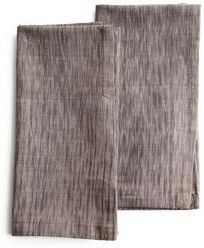
"TIMELESS Organic Cotton Napkins - Handmade, Fair Trade, Eco-Dyed by Sustainable Threads - 20""x20"" (Set of 2)"TIMELESS Collection Handwoven Organic Cotton Napkins - Set of 2 Classic and enduring, these yarn-dyed, handwoven napkins are crafted from indigenous, drought-resistant organic cotton using traditional handspun and botanical dye methods.64,00 $*Shipping: 0,00 $Secure redirect to the provider
-
Superior Eco-Friendly Sustainable Cotton 12-Piece Bathroom Towel SetMade with incredibly soft recycled cotton, the Eco-Friendly Sustainable Cotton Bathroom Towel Set is the perfect green addition to any bathroom space. Our sustainable Cotton towels are lightweight to get you dry quickly after a shower or bath.61,90 $*Shipping: 0,00 $Secure redirect to the provider
-
"TIMELESS Organic Cotton Napkins - Handmade, Fair Trade, Eco-Dyed by Sustainable Threads - 20""x20"" (Set of 2)"TIMELESS Collection Handwoven Organic Cotton Napkins - Set of 2 Classic and enduring, these yarn-dyed, handwoven napkins are crafted from indigenous, drought-resistant organic cotton using traditional handspun and botanical dye methods.64,00 $*Shipping: 0,00 $Secure redirect to the provider
-
"TIMELESS Organic Cotton Napkins - Handmade, Fair Trade, Eco-Dyed by Sustainable Threads - 20""x20"" (Set of 2)"TIMELESS Collection Handwoven Organic Cotton Napkins - Set of 2 Classic and enduring, these yarn-dyed, handwoven napkins are crafted from indigenous, drought-resistant organic cotton using traditional handspun and botanical dye methods.64,00 $*Shipping: 0,00 $Secure redirect to the provider



-
What is the difference between protolysis and autoprotolysis?
Protolysis is a chemical reaction where a compound reacts with a proton donor to form a new compound and a protonated species. Autoprotolysis, on the other hand, is a specific type of protolysis where a compound acts as both the proton donor and acceptor, resulting in the formation of a conjugate acid and base of the same compound. In essence, autoprotolysis is a self-ionization process where a single compound undergoes proton transfer within itself, while protolysis involves the interaction of two different compounds. **
-
Is autoprotolysis only a property of amphoteric substances?
Autoprotolysis, also known as self-ionization, is a property of substances that can act as both acids and bases, making them amphoteric. However, not all amphoteric substances exhibit autoprotolysis. For example, water is an amphoteric substance that undergoes autoprotolysis to form hydronium and hydroxide ions. Therefore, while autoprotolysis is commonly associated with amphoteric substances, not all amphoteric substances necessarily undergo autoprotolysis. **
-
What is the difference between proto and autoprotolysis?
The main difference between proto and autoprotolysis lies in the context in which they occur. Proto refers to the first or original form of something, while autoprotolysis specifically refers to the self-ionization of a substance, such as water. In the case of autoprotolysis, a substance undergoes self-ionization to produce ions of the same substance, while proto is a more general term that can refer to the original or primitive form of any concept or substance. **
-
What is the difference between organic and eco-friendly products?
Organic products are made from ingredients that are grown without the use of synthetic pesticides, herbicides, or fertilizers, and are often certified by a regulatory body. Eco-friendly products, on the other hand, are designed to have minimal impact on the environment throughout their entire lifecycle, from production to disposal. While organic products focus on the natural ingredients used, eco-friendly products consider the overall environmental impact of the product. In essence, organic products focus on the ingredients, while eco-friendly products focus on the entire product lifecycle. **


What is the electrical conductivity of water during autoprotolysis?
During autoprotolysis, water acts as both an acid and a base, producing hydronium ions (H3O+) and hydroxide ions (OH-) through the transfer of protons. This process results in the generation of ions in the water, which increases its electrical conductivity. Therefore, the electrical conductivity of water during autoprotolysis is higher compared to pure water due to the presence of these ions. **
What is the purpose of the autoprotolysis of water?
The autoprotolysis of water serves to maintain the balance of protons and hydroxide ions in a solution. This process allows water to act as a weak acid and a weak base, creating a self-regulating system that helps to stabilize the pH of a solution. This is important for maintaining the proper conditions for chemical reactions and biological processes in living organisms. Additionally, the autoprotolysis of water is a fundamental concept in understanding acid-base chemistry and the behavior of aqueous solutions. **
Top-Angebote
Products related to Autoprotolysis:
-
"SHORELINE Napkins - Handmade Organic Cotton, Fair Trade, Eco-Dyed Artisan-Made by Sustainable Threads 20""x20"" (Set of 2)"SHORELINE Handwoven Organic Cotton Napkins Naturally elegant and thoughtfully crafted, the Shoreline napkins are woven from indigenous, drought-resistant organic cotton using traditional handspun yarns and botanical dyes.46,00 $*Shipping: 0,00 $Secure redirect to the provider
-
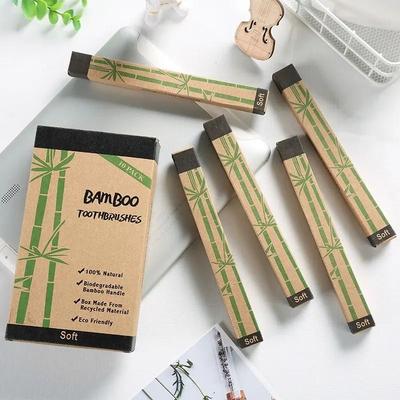
Uplift Essentials Natural Bamboo Eco Friendly Toothbrush 10 Piece Sustainable Family Pack Natural Bamboo Eco Friendly Toothbrush 10 Piece Sustainable Family PackTransition to a greener routine with this Natural Bamboo Toothbrush Set, a premium collection of bamboo products designed to reduce environmental impact without compromising on performance. Each handle is crafted from 100% sustainable bamboo,...37,97 $*Shipping: 0,00 $Secure redirect to the provider
-
"TIMELESS Organic Cotton Napkins - Handmade, Fair Trade, Eco-Dyed by Sustainable Threads - 20""x20"" (Set of 2)"TIMELESS Collection Handwoven Organic Cotton Napkins - Set of 2 Classic and enduring, these yarn-dyed, handwoven napkins are crafted from indigenous, drought-resistant organic cotton using traditional handspun and botanical dye methods.64,00 $*Shipping: 0,00 $Secure redirect to the provider
-
Superior Eco-Friendly Sustainable Cotton 12-Piece Bathroom Towel SetMade with incredibly soft recycled cotton, the Eco-Friendly Sustainable Cotton Bathroom Towel Set is the perfect green addition to any bathroom space. Our sustainable Cotton towels are lightweight to get you dry quickly after a shower or bath.61,90 $*Shipping: 0,00 $Secure redirect to the provider
-
What is the reaction equation for autoprotolysis?
The reaction equation for autoprotolysis is: 2H2O(l) ⇌ H3O+(aq) + OH-(aq) In this reaction, water molecules act as both acids and bases, donating a proton (H+) to form a hydronium ion (H3O+) and accepting a proton to form a hydroxide ion (OH-). This process results in the formation of equal concentrations of hydronium and hydroxide ions in pure water at equilibrium. **
-
What is the molar mass of autoprotolysis?
The molar mass of autoprotolysis refers to the molar mass of water, which is the substance that undergoes autoprotolysis. The molar mass of water is approximately 18.015 g/mol. Autoprotolysis is the process by which water molecules can act as both acids and bases, donating and accepting protons from each other. This process is responsible for the generation of hydronium (H3O+) and hydroxide (OH-) ions in water. **
-
What is the difference between protolysis and autoprotolysis?
Protolysis is a chemical reaction where a compound reacts with a proton donor to form a new compound and a protonated species. Autoprotolysis, on the other hand, is a specific type of protolysis where a compound acts as both the proton donor and acceptor, resulting in the formation of a conjugate acid and base of the same compound. In essence, autoprotolysis is a self-ionization process where a single compound undergoes proton transfer within itself, while protolysis involves the interaction of two different compounds. **
-
Is autoprotolysis only a property of amphoteric substances?
Autoprotolysis, also known as self-ionization, is a property of substances that can act as both acids and bases, making them amphoteric. However, not all amphoteric substances exhibit autoprotolysis. For example, water is an amphoteric substance that undergoes autoprotolysis to form hydronium and hydroxide ions. Therefore, while autoprotolysis is commonly associated with amphoteric substances, not all amphoteric substances necessarily undergo autoprotolysis. **
Similar search terms for Autoprotolysis
-
"TIMELESS Organic Cotton Napkins - Handmade, Fair Trade, Eco-Dyed by Sustainable Threads - 20""x20"" (Set of 2)"TIMELESS Collection Handwoven Organic Cotton Napkins - Set of 2 Classic and enduring, these yarn-dyed, handwoven napkins are crafted from indigenous, drought-resistant organic cotton using traditional handspun and botanical dye methods.64,00 $*Shipping: 0,00 $Secure redirect to the provider
-
Superior Eco-Friendly Sustainable Cotton 12-Piece Bathroom Towel SetMade with incredibly soft recycled cotton, the Eco-Friendly Sustainable Cotton Bathroom Towel Set is the perfect green addition to any bathroom space. Our sustainable Cotton towels are lightweight to get you dry quickly after a shower or bath.62,91 $*Shipping: 0,00 $Secure redirect to the provider
-
What is the difference between proto and autoprotolysis?
The main difference between proto and autoprotolysis lies in the context in which they occur. Proto refers to the first or original form of something, while autoprotolysis specifically refers to the self-ionization of a substance, such as water. In the case of autoprotolysis, a substance undergoes self-ionization to produce ions of the same substance, while proto is a more general term that can refer to the original or primitive form of any concept or substance. **
-
What is the difference between organic and eco-friendly products?
Organic products are made from ingredients that are grown without the use of synthetic pesticides, herbicides, or fertilizers, and are often certified by a regulatory body. Eco-friendly products, on the other hand, are designed to have minimal impact on the environment throughout their entire lifecycle, from production to disposal. While organic products focus on the natural ingredients used, eco-friendly products consider the overall environmental impact of the product. In essence, organic products focus on the ingredients, while eco-friendly products focus on the entire product lifecycle. **
-
What is the electrical conductivity of water during autoprotolysis?
During autoprotolysis, water acts as both an acid and a base, producing hydronium ions (H3O+) and hydroxide ions (OH-) through the transfer of protons. This process results in the generation of ions in the water, which increases its electrical conductivity. Therefore, the electrical conductivity of water during autoprotolysis is higher compared to pure water due to the presence of these ions. **
-
What is the purpose of the autoprotolysis of water?
The autoprotolysis of water serves to maintain the balance of protons and hydroxide ions in a solution. This process allows water to act as a weak acid and a weak base, creating a self-regulating system that helps to stabilize the pH of a solution. This is important for maintaining the proper conditions for chemical reactions and biological processes in living organisms. Additionally, the autoprotolysis of water is a fundamental concept in understanding acid-base chemistry and the behavior of aqueous solutions. **
* All prices are inclusive of VAT and, if applicable, plus shipping costs. The offer information is based on the details provided by the respective shop and is updated through automated processes. Real-time updates do not occur, so deviations can occur in individual cases. ** Note: Parts of this content were created by AI.