Buy ahorarepublicas.eu ?
We are moving the project
ahorarepublicas.eu .
Are you interested in purchasing the domain
ahorarepublicas.eu ?
domain@kv-gmbh.de · 0541-91531010
Buy ahorarepublicas.eu ?
What are the arguments for the veneration of saints?
The veneration of saints is supported by the belief that saints were exemplary followers of Christ who lived lives of great holiness and virtue. Their intercession is seen as powerful and effective in bringing prayers to God. Saints are also considered role models for believers, inspiring them to live more faithful and virtuous lives. Additionally, the veneration of saints fosters a sense of community and connection among believers, as they share in the devotion to these holy figures. **
How do Catholics justify the veneration of saints biblically?
Catholics justify the veneration of saints biblically by pointing to the examples of honor and respect given to saints in the Bible. For example, in Hebrews 12:1, it says, "Therefore, since we are surrounded by so great a cloud of witnesses, let us also lay aside every weight, and sin which clings so closely, and let us run with endurance the race that is set before us." This verse is interpreted to mean that the saints in heaven are like a "cloud of witnesses" who can intercede for us and provide examples of faith to emulate. Additionally, Catholics believe that the veneration of saints is a way to honor the work of God in their lives and to seek their prayers and intercession. **


Similar search terms for Veneration
Top-Angebote
Products related to Veneration:
-
"TIMELESS Organic Cotton Napkins - Handmade, Fair Trade, Eco-Dyed by Sustainable Threads - 20""x20"" (Set of 2)"TIMELESS Collection Handwoven Organic Cotton Napkins - Set of 2 Classic and enduring, these yarn-dyed, handwoven napkins are crafted from indigenous, drought-resistant organic cotton using traditional handspun and botanical dye methods.64,00 $*Shipping: 0,00 $Secure redirect to the provider
-
"ON TRACK Napkins - Handmade Organic Cotton by Sustainable Threads Fair Trade Eco-Dyed - 20""x20"" (Set of 2)"ON TRACK Handwoven Organic Cotton Napkins Modern and purposeful, these yarn-dyed, handwoven napkins are made from indigenous, drought-resistant organic cotton dyed with botanical materials and crafted using traditional handspun weaving techniques.48,00 $*Shipping: 0,00 $Secure redirect to the provider
-
Superior Eco-Friendly Sustainable Cotton 12-Piece Bathroom Towel SetMade with incredibly soft recycled cotton, the Eco-Friendly Sustainable Cotton Bathroom Towel Set is the perfect green addition to any bathroom space. Our sustainable Cotton towels are lightweight to get you dry quickly after a shower or bath.62,31 $*Shipping: 0,00 $Secure redirect to the provider
-
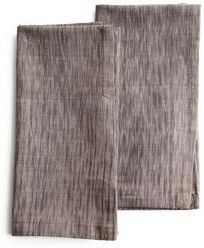
"TIMELESS Organic Cotton Napkins - Handmade, Fair Trade, Eco-Dyed by Sustainable Threads - 20""x20"" (Set of 2)"TIMELESS Collection Handwoven Organic Cotton Napkins - Set of 2 Classic and enduring, these yarn-dyed, handwoven napkins are crafted from indigenous, drought-resistant organic cotton using traditional handspun and botanical dye methods.64,00 $*Shipping: 0,00 $Secure redirect to the provider


-
What is the difference between organic and eco-friendly products?
Organic products are made from ingredients that are grown without the use of synthetic pesticides, herbicides, or fertilizers, and are often certified by a regulatory body. Eco-friendly products, on the other hand, are designed to have minimal impact on the environment throughout their entire lifecycle, from production to disposal. While organic products focus on the natural ingredients used, eco-friendly products consider the overall environmental impact of the product. In essence, organic products focus on the ingredients, while eco-friendly products focus on the entire product lifecycle. **
-
Is organic sustainable?
Organic farming practices can be more sustainable than conventional methods in terms of reducing chemical inputs, promoting biodiversity, and improving soil health. However, there are challenges to the scalability and efficiency of organic farming, which can impact its overall sustainability. For example, organic farming typically requires more land and labor to produce the same amount of food as conventional methods, which can limit its ability to meet global food demand. Additionally, the transportation and distribution of organic products can have a higher environmental impact due to their shorter shelf life and the need for refrigeration. Overall, while organic farming has many sustainable benefits, there are also limitations to its long-term sustainability on a large scale. **
-
Why do many evangelical Christians reject the veneration of Mary?
Many evangelical Christians reject the veneration of Mary because they believe that it detracts from the worship of God alone. They see the veneration of Mary as elevating her to a status that should be reserved for God alone, and they emphasize the importance of worshiping God through Jesus Christ. Additionally, some evangelical Christians may also reject the veneration of Mary because they believe it is not supported by clear biblical teachings. They prioritize a more direct and personal relationship with God through Jesus Christ, rather than through the veneration of Mary. **
-
Does the veneration of saints in the Catholic Church border on polytheism?
No, the veneration of saints in the Catholic Church does not border on polytheism. Catholics believe in the doctrine of the Communion of Saints, which teaches that all believers, living and dead, are united in Christ. The veneration of saints is a way of honoring these individuals for their faith and virtues, not worshiping them as gods. Catholics believe in the worship of one God, and the veneration of saints is seen as a way to seek their intercession and emulate their example in following Christ. **

What is the difference between the veneration of saints and the first commandment?
The veneration of saints involves honoring and respecting the lives and virtues of holy individuals who have lived exemplary lives. This practice is common in many Christian traditions. On the other hand, the first commandment in Christianity instructs believers to have no other gods before the one true God and to worship Him alone. While veneration of saints involves showing respect and seeking their intercession, the first commandment emphasizes the exclusive worship and devotion to God. **
Does the veneration of saints in the Catholic Church not border on polytheism?
The veneration of saints in the Catholic Church does not border on polytheism because it is based on the belief in the communion of saints, which is the spiritual connection between the living and the dead. Catholics believe that the saints are not worshipped as gods, but rather revered as role models and intercessors who can pray for them and help them grow in their faith. The veneration of saints is seen as a way to honor their lives and virtues, and to seek their guidance and support in their own spiritual journey. This practice is rooted in the belief in the unity of the Church and the interconnectedness of all believers, rather than in the worship of multiple gods. **
Top-Angebote
Products related to Veneration:
-
"SHORELINE Napkins - Handmade Organic Cotton, Fair Trade, Eco-Dyed Artisan-Made by Sustainable Threads 20""x20"" (Set of 2)"SHORELINE Handwoven Organic Cotton Napkins Naturally elegant and thoughtfully crafted, the Shoreline napkins are woven from indigenous, drought-resistant organic cotton using traditional handspun yarns and botanical dyes.46,00 $*Shipping: 0,00 $Secure redirect to the provider
-
Uplift Essentials Natural Bamboo Eco Friendly Toothbrush 10 Piece Sustainable Family Pack Natural Bamboo Eco Friendly Toothbrush 10 Piece Sustainable Family PackTransition to a greener routine with this Natural Bamboo Toothbrush Set, a premium collection of bamboo products designed to reduce environmental impact without compromising on performance. Each handle is crafted from 100% sustainable bamboo,...37,97 $*Shipping: 0,00 $Secure redirect to the provider
-
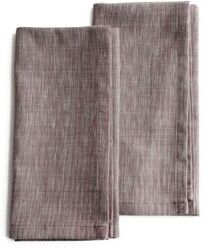
"TIMELESS Organic Cotton Napkins - Handmade, Fair Trade, Eco-Dyed by Sustainable Threads - 20""x20"" (Set of 2)"TIMELESS Collection Handwoven Organic Cotton Napkins - Set of 2 Classic and enduring, these yarn-dyed, handwoven napkins are crafted from indigenous, drought-resistant organic cotton using traditional handspun and botanical dye methods.64,00 $*Shipping: 0,00 $Secure redirect to the provider
-
"ON TRACK Napkins - Handmade Organic Cotton by Sustainable Threads Fair Trade Eco-Dyed - 20""x20"" (Set of 2)"ON TRACK Handwoven Organic Cotton Napkins Modern and purposeful, these yarn-dyed, handwoven napkins are made from indigenous, drought-resistant organic cotton dyed with botanical materials and crafted using traditional handspun weaving techniques.48,00 $*Shipping: 0,00 $Secure redirect to the provider
-
What are the arguments for the veneration of saints?
The veneration of saints is supported by the belief that saints were exemplary followers of Christ who lived lives of great holiness and virtue. Their intercession is seen as powerful and effective in bringing prayers to God. Saints are also considered role models for believers, inspiring them to live more faithful and virtuous lives. Additionally, the veneration of saints fosters a sense of community and connection among believers, as they share in the devotion to these holy figures. **
-
How do Catholics justify the veneration of saints biblically?
Catholics justify the veneration of saints biblically by pointing to the examples of honor and respect given to saints in the Bible. For example, in Hebrews 12:1, it says, "Therefore, since we are surrounded by so great a cloud of witnesses, let us also lay aside every weight, and sin which clings so closely, and let us run with endurance the race that is set before us." This verse is interpreted to mean that the saints in heaven are like a "cloud of witnesses" who can intercede for us and provide examples of faith to emulate. Additionally, Catholics believe that the veneration of saints is a way to honor the work of God in their lives and to seek their prayers and intercession. **
-
What is the difference between organic and eco-friendly products?
Organic products are made from ingredients that are grown without the use of synthetic pesticides, herbicides, or fertilizers, and are often certified by a regulatory body. Eco-friendly products, on the other hand, are designed to have minimal impact on the environment throughout their entire lifecycle, from production to disposal. While organic products focus on the natural ingredients used, eco-friendly products consider the overall environmental impact of the product. In essence, organic products focus on the ingredients, while eco-friendly products focus on the entire product lifecycle. **
-
Is organic sustainable?
Organic farming practices can be more sustainable than conventional methods in terms of reducing chemical inputs, promoting biodiversity, and improving soil health. However, there are challenges to the scalability and efficiency of organic farming, which can impact its overall sustainability. For example, organic farming typically requires more land and labor to produce the same amount of food as conventional methods, which can limit its ability to meet global food demand. Additionally, the transportation and distribution of organic products can have a higher environmental impact due to their shorter shelf life and the need for refrigeration. Overall, while organic farming has many sustainable benefits, there are also limitations to its long-term sustainability on a large scale. **
Similar search terms for Veneration
-
Superior Eco-Friendly Sustainable Cotton 12-Piece Bathroom Towel SetMade with incredibly soft recycled cotton, the Eco-Friendly Sustainable Cotton Bathroom Towel Set is the perfect green addition to any bathroom space. Our sustainable Cotton towels are lightweight to get you dry quickly after a shower or bath.62,31 $*Shipping: 0,00 $Secure redirect to the provider
-
"TIMELESS Organic Cotton Napkins - Handmade, Fair Trade, Eco-Dyed by Sustainable Threads - 20""x20"" (Set of 2)"TIMELESS Collection Handwoven Organic Cotton Napkins - Set of 2 Classic and enduring, these yarn-dyed, handwoven napkins are crafted from indigenous, drought-resistant organic cotton using traditional handspun and botanical dye methods.64,00 $*Shipping: 0,00 $Secure redirect to the provider
-
Why do many evangelical Christians reject the veneration of Mary?
Many evangelical Christians reject the veneration of Mary because they believe that it detracts from the worship of God alone. They see the veneration of Mary as elevating her to a status that should be reserved for God alone, and they emphasize the importance of worshiping God through Jesus Christ. Additionally, some evangelical Christians may also reject the veneration of Mary because they believe it is not supported by clear biblical teachings. They prioritize a more direct and personal relationship with God through Jesus Christ, rather than through the veneration of Mary. **
-
Does the veneration of saints in the Catholic Church border on polytheism?
No, the veneration of saints in the Catholic Church does not border on polytheism. Catholics believe in the doctrine of the Communion of Saints, which teaches that all believers, living and dead, are united in Christ. The veneration of saints is a way of honoring these individuals for their faith and virtues, not worshiping them as gods. Catholics believe in the worship of one God, and the veneration of saints is seen as a way to seek their intercession and emulate their example in following Christ. **
-
What is the difference between the veneration of saints and the first commandment?
The veneration of saints involves honoring and respecting the lives and virtues of holy individuals who have lived exemplary lives. This practice is common in many Christian traditions. On the other hand, the first commandment in Christianity instructs believers to have no other gods before the one true God and to worship Him alone. While veneration of saints involves showing respect and seeking their intercession, the first commandment emphasizes the exclusive worship and devotion to God. **
-
Does the veneration of saints in the Catholic Church not border on polytheism?
The veneration of saints in the Catholic Church does not border on polytheism because it is based on the belief in the communion of saints, which is the spiritual connection between the living and the dead. Catholics believe that the saints are not worshipped as gods, but rather revered as role models and intercessors who can pray for them and help them grow in their faith. The veneration of saints is seen as a way to honor their lives and virtues, and to seek their guidance and support in their own spiritual journey. This practice is rooted in the belief in the unity of the Church and the interconnectedness of all believers, rather than in the worship of multiple gods. **
* All prices are inclusive of VAT and, if applicable, plus shipping costs. The offer information is based on the details provided by the respective shop and is updated through automated processes. Real-time updates do not occur, so deviations can occur in individual cases. ** Note: Parts of this content were created by AI.