Buy ahorarepublicas.eu ?
We are moving the project
ahorarepublicas.eu .
Are you interested in purchasing the domain
ahorarepublicas.eu ?
domain@kv-gmbh.de · 0541-91531010
Buy ahorarepublicas.eu ?
What is the difference between organic and eco-friendly products?
Organic products are made from ingredients that are grown without the use of synthetic pesticides, herbicides, or fertilizers, and are often certified by a regulatory body. Eco-friendly products, on the other hand, are designed to have minimal impact on the environment throughout their entire lifecycle, from production to disposal. While organic products focus on the natural ingredients used, eco-friendly products consider the overall environmental impact of the product. In essence, organic products focus on the ingredients, while eco-friendly products focus on the entire product lifecycle. **
Is organic sustainable?
Organic farming practices can be more sustainable than conventional methods in terms of reducing chemical inputs, promoting biodiversity, and improving soil health. However, there are challenges to the scalability and efficiency of organic farming, which can impact its overall sustainability. For example, organic farming typically requires more land and labor to produce the same amount of food as conventional methods, which can limit its ability to meet global food demand. Additionally, the transportation and distribution of organic products can have a higher environmental impact due to their shorter shelf life and the need for refrigeration. Overall, while organic farming has many sustainable benefits, there are also limitations to its long-term sustainability on a large scale. **


Similar search terms for Harmful
Top-Angebote
Products related to Harmful:
-
"TIMELESS Organic Cotton Napkins - Handmade, Fair Trade, Eco-Dyed by Sustainable Threads - 20""x20"" (Set of 2)"TIMELESS Collection Handwoven Organic Cotton Napkins - Set of 2 Classic and enduring, these yarn-dyed, handwoven napkins are crafted from indigenous, drought-resistant organic cotton using traditional handspun and botanical dye methods.64,00 $*Shipping: 0,00 $Secure redirect to the provider
-
Superior Eco-Friendly Sustainable Cotton 12-Piece Bathroom Towel SetMade with incredibly soft recycled cotton, the Eco-Friendly Sustainable Cotton Bathroom Towel Set is the perfect green addition to any bathroom space. Our sustainable Cotton towels are lightweight to get you dry quickly after a shower or bath.62,31 $*Shipping: 0,00 $Secure redirect to the provider
-
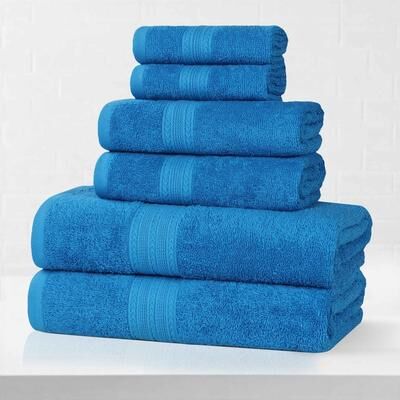
Superior Eco-Friendly Sustainable Cotton 6-Piece Bathroom Towel SetMade with incredibly soft recycled cotton, the Eco-Friendly Sustainable Cotton Bathroom Towel Set is the perfect green addition to any bathroom space. Our sustainable Cotton towels have a lightweight to get you dry quickly after a shower or bath.43,64 $*Shipping: 0,00 $Secure redirect to the provider
-
"TIMELESS Organic Cotton Napkins - Handmade, Fair Trade, Eco-Dyed by Sustainable Threads - 20""x20"" (Set of 2)"TIMELESS Collection Handwoven Organic Cotton Napkins - Set of 2 Classic and enduring, these yarn-dyed, handwoven napkins are crafted from indigenous, drought-resistant organic cotton using traditional handspun and botanical dye methods.64,00 $*Shipping: 0,00 $Secure redirect to the provider



-
What are environmentally friendly and environmentally harmful packaging?
Environmentally friendly packaging includes materials that are easily recyclable, biodegradable, or made from renewable resources, such as paper, cardboard, and certain types of plastics. These materials have a lower impact on the environment and can be easily disposed of without causing harm. On the other hand, environmentally harmful packaging includes materials that are not easily recyclable, take a long time to decompose, or release harmful chemicals into the environment, such as single-use plastics, styrofoam, and non-recyclable mixed materials. These materials contribute to pollution, waste, and harm to wildlife and ecosystems. **
-
Why don't eco-friendly women shave?
Eco-friendly women may choose not to shave for a variety of reasons related to sustainability and environmental impact. Shaving requires the use of disposable razors, which contribute to plastic waste in landfills. Additionally, the production and transportation of shaving products can have a significant carbon footprint. By opting not to shave, eco-friendly women can reduce their personal contribution to waste and carbon emissions, aligning with their values of environmental conservation. **
-
Which eco-friendly diapers are the best?
The best eco-friendly diapers are those that are made from sustainable materials such as bamboo, organic cotton, or plant-based fibers. Brands like Bambo Nature, Eco by Naty, and Seventh Generation are popular choices for their commitment to using environmentally friendly materials and reducing their carbon footprint. It's important to look for diapers that are free from harmful chemicals, dyes, and fragrances to ensure they are safe for both your baby and the environment. Ultimately, the best eco-friendly diaper will depend on your personal preferences and values, so it's worth trying a few different brands to see which one works best for you and your baby. **
-
Can't you lead this eco-friendly life anymore?
Yes, I can still lead an eco-friendly life. Making sustainable choices and reducing my environmental impact is a priority for me. I continue to practice habits such as recycling, reducing waste, conserving energy, and supporting environmentally-friendly products and practices. It is important to me to do my part in protecting the planet for future generations. **


Why is eco-friendly so successful in Germany?
Eco-friendly products and practices are successful in Germany due to a combination of factors. Firstly, there is a strong cultural emphasis on environmental consciousness and sustainability in Germany, which has led to widespread support for eco-friendly initiatives. Additionally, the German government has implemented policies and incentives to promote eco-friendly practices, such as subsidies for renewable energy and strict regulations on waste management. Furthermore, German consumers are increasingly aware of the environmental impact of their choices and are willing to pay a premium for eco-friendly products, driving demand for sustainable options in the market. **
Is biodiesel harmful?
Biodiesel is generally considered to be less harmful to the environment compared to traditional petroleum-based diesel. It is a renewable fuel source made from organic materials such as vegetable oils or animal fats, which reduces greenhouse gas emissions and air pollutants. However, the production of biodiesel can still have some negative impacts, such as deforestation for growing feedstock crops or competition with food production. Overall, when produced sustainably, biodiesel can be a more environmentally friendly alternative to traditional diesel. **
Top-Angebote
Products related to Harmful:
-
"SHORELINE Napkins - Handmade Organic Cotton, Fair Trade, Eco-Dyed Artisan-Made by Sustainable Threads 20""x20"" (Set of 2)"SHORELINE Handwoven Organic Cotton Napkins Naturally elegant and thoughtfully crafted, the Shoreline napkins are woven from indigenous, drought-resistant organic cotton using traditional handspun yarns and botanical dyes.46,00 $*Shipping: 0,00 $Secure redirect to the provider
-
Harper Perennial Fatal Conveniences: Toxic Products And Harmful Habits That Make You Sick - Non Fiction - PaperbackTitle:. Fatal Conveniences: Toxic Products And Harmful Habits That Make You Sick Format: Paperback Overview:. Fatal Conveniences is a groundbreaking non-fiction guide that exposes the hidden dangers lurking in everyday household items and personal care routines. Written by Dr. Susan Hopkins, this essential read uncovers how seemingly harmless products—ranging from shampoo and cosmetics to kitchen cleaners and processed foods—are contributing to rising rates of chronic illness, hormonal disruption, and cancer. The book challenges the modern consumer to look beyond convenience labels and understand the toxic ingredients silently accumulating in our bodies over time. Beyond identifying the risks, Fatal Conveniences offers practical, life-saving alternatives, empowering readers to make informed switching choices that protect their families and restore vitality.. The scope extends across multiple categories of daily use, examining personal hygiene staples, home maintenance products, nursery essentials, and pantry basics. Each section highlights specific compounds such as parabens, phthalates, triclosan, and artificial sweeteners, detailing their biological mechanisms and potential consequences when absorbed regularly. The narrative bridges global industrial practices with individual responsibility, illustrating how regulatory gaps often allow questionable substances to remain on shelves despite mounting evidence of harm. Furthermore, the text emphasises the importance of bio-individuality, noting that susceptibility to toxins varies based on genetics, age, and existing health status. This nuanced approach prevents one-size-fits-all prescriptions, instead encouraging tailored evaluations of personal risk factors. By integrating clinical observations with updated toxicology data, the book maintains relevance for contemporary readers facing evolving consumer markets. It also addresses misconceptions about 'organic' labelling and greenwashing tactics employed by some brands, enabling shoppers to differentiate genuine safety commitments from superficial marketing claims. This title equips buyers with the knowledge needed to create a cleaner, healthier home environment while avoiding the pitfalls of unchecked industrial consumption. What Makes This Book Stand Out:. What sets Fatal Conveniences apart from standard wellness books is its rigorous yet approachable scientific foundation paired with immediate, actionable strategies. Rather than relying on anecdotal evidence, the author draws upon extensive medical research to highlight how endocrine-disrupting chemicals infiltrate daily life. A major strength is its focus on the cumulative effect of exposures—the 'toxic load'—helping readers understand why minor symptoms often stem from multiple low-level irritants rather than a single cause. The guidance avoids extreme detox myths, promoting realistic swaps that fit seamlessly into busy lives. The writing style remains clear and jargon-free, ensuring complex...12,99 £*Shipping: 2,99 £Secure redirect to the provider
-
"TIMELESS Organic Cotton Napkins - Handmade, Fair Trade, Eco-Dyed by Sustainable Threads - 20""x20"" (Set of 2)"TIMELESS Collection Handwoven Organic Cotton Napkins - Set of 2 Classic and enduring, these yarn-dyed, handwoven napkins are crafted from indigenous, drought-resistant organic cotton using traditional handspun and botanical dye methods.64,00 $*Shipping: 0,00 $Secure redirect to the provider
-
Superior Eco-Friendly Sustainable Cotton 12-Piece Bathroom Towel SetMade with incredibly soft recycled cotton, the Eco-Friendly Sustainable Cotton Bathroom Towel Set is the perfect green addition to any bathroom space. Our sustainable Cotton towels are lightweight to get you dry quickly after a shower or bath.62,31 $*Shipping: 0,00 $Secure redirect to the provider
-
What is the difference between organic and eco-friendly products?
Organic products are made from ingredients that are grown without the use of synthetic pesticides, herbicides, or fertilizers, and are often certified by a regulatory body. Eco-friendly products, on the other hand, are designed to have minimal impact on the environment throughout their entire lifecycle, from production to disposal. While organic products focus on the natural ingredients used, eco-friendly products consider the overall environmental impact of the product. In essence, organic products focus on the ingredients, while eco-friendly products focus on the entire product lifecycle. **
-
Is organic sustainable?
Organic farming practices can be more sustainable than conventional methods in terms of reducing chemical inputs, promoting biodiversity, and improving soil health. However, there are challenges to the scalability and efficiency of organic farming, which can impact its overall sustainability. For example, organic farming typically requires more land and labor to produce the same amount of food as conventional methods, which can limit its ability to meet global food demand. Additionally, the transportation and distribution of organic products can have a higher environmental impact due to their shorter shelf life and the need for refrigeration. Overall, while organic farming has many sustainable benefits, there are also limitations to its long-term sustainability on a large scale. **
-
What are environmentally friendly and environmentally harmful packaging?
Environmentally friendly packaging includes materials that are easily recyclable, biodegradable, or made from renewable resources, such as paper, cardboard, and certain types of plastics. These materials have a lower impact on the environment and can be easily disposed of without causing harm. On the other hand, environmentally harmful packaging includes materials that are not easily recyclable, take a long time to decompose, or release harmful chemicals into the environment, such as single-use plastics, styrofoam, and non-recyclable mixed materials. These materials contribute to pollution, waste, and harm to wildlife and ecosystems. **
-
Why don't eco-friendly women shave?
Eco-friendly women may choose not to shave for a variety of reasons related to sustainability and environmental impact. Shaving requires the use of disposable razors, which contribute to plastic waste in landfills. Additionally, the production and transportation of shaving products can have a significant carbon footprint. By opting not to shave, eco-friendly women can reduce their personal contribution to waste and carbon emissions, aligning with their values of environmental conservation. **
Similar search terms for Harmful
-
Superior Eco-Friendly Sustainable Cotton 6-Piece Bathroom Towel SetMade with incredibly soft recycled cotton, the Eco-Friendly Sustainable Cotton Bathroom Towel Set is the perfect green addition to any bathroom space. Our sustainable Cotton towels have a lightweight to get you dry quickly after a shower or bath.43,64 $*Shipping: 0,00 $Secure redirect to the provider
-
"TIMELESS Organic Cotton Napkins - Handmade, Fair Trade, Eco-Dyed by Sustainable Threads - 20""x20"" (Set of 2)"TIMELESS Collection Handwoven Organic Cotton Napkins - Set of 2 Classic and enduring, these yarn-dyed, handwoven napkins are crafted from indigenous, drought-resistant organic cotton using traditional handspun and botanical dye methods.64,00 $*Shipping: 0,00 $Secure redirect to the provider
-
Which eco-friendly diapers are the best?
The best eco-friendly diapers are those that are made from sustainable materials such as bamboo, organic cotton, or plant-based fibers. Brands like Bambo Nature, Eco by Naty, and Seventh Generation are popular choices for their commitment to using environmentally friendly materials and reducing their carbon footprint. It's important to look for diapers that are free from harmful chemicals, dyes, and fragrances to ensure they are safe for both your baby and the environment. Ultimately, the best eco-friendly diaper will depend on your personal preferences and values, so it's worth trying a few different brands to see which one works best for you and your baby. **
-
Can't you lead this eco-friendly life anymore?
Yes, I can still lead an eco-friendly life. Making sustainable choices and reducing my environmental impact is a priority for me. I continue to practice habits such as recycling, reducing waste, conserving energy, and supporting environmentally-friendly products and practices. It is important to me to do my part in protecting the planet for future generations. **
-
Why is eco-friendly so successful in Germany?
Eco-friendly products and practices are successful in Germany due to a combination of factors. Firstly, there is a strong cultural emphasis on environmental consciousness and sustainability in Germany, which has led to widespread support for eco-friendly initiatives. Additionally, the German government has implemented policies and incentives to promote eco-friendly practices, such as subsidies for renewable energy and strict regulations on waste management. Furthermore, German consumers are increasingly aware of the environmental impact of their choices and are willing to pay a premium for eco-friendly products, driving demand for sustainable options in the market. **
-
Is biodiesel harmful?
Biodiesel is generally considered to be less harmful to the environment compared to traditional petroleum-based diesel. It is a renewable fuel source made from organic materials such as vegetable oils or animal fats, which reduces greenhouse gas emissions and air pollutants. However, the production of biodiesel can still have some negative impacts, such as deforestation for growing feedstock crops or competition with food production. Overall, when produced sustainably, biodiesel can be a more environmentally friendly alternative to traditional diesel. **
* All prices are inclusive of VAT and, if applicable, plus shipping costs. The offer information is based on the details provided by the respective shop and is updated through automated processes. Real-time updates do not occur, so deviations can occur in individual cases. ** Note: Parts of this content were created by AI.